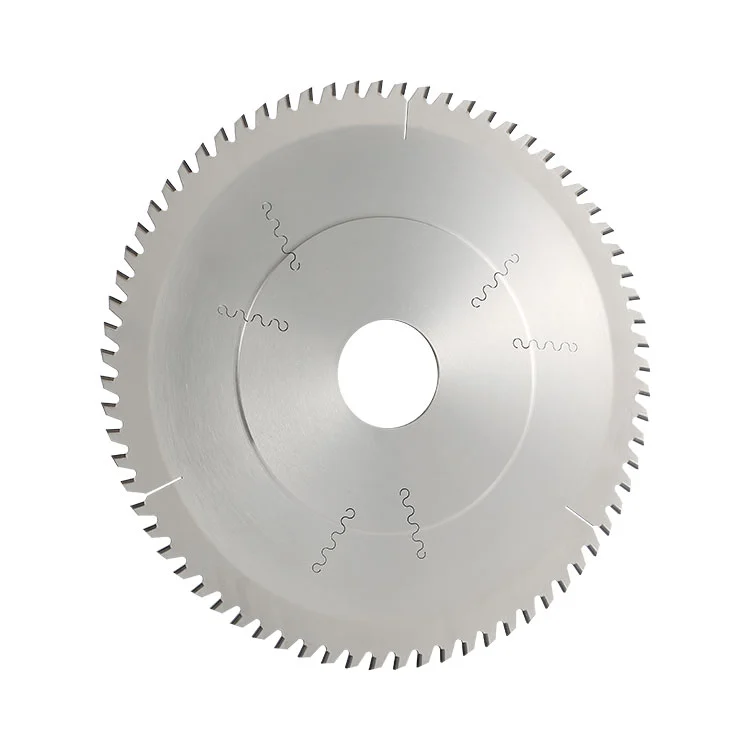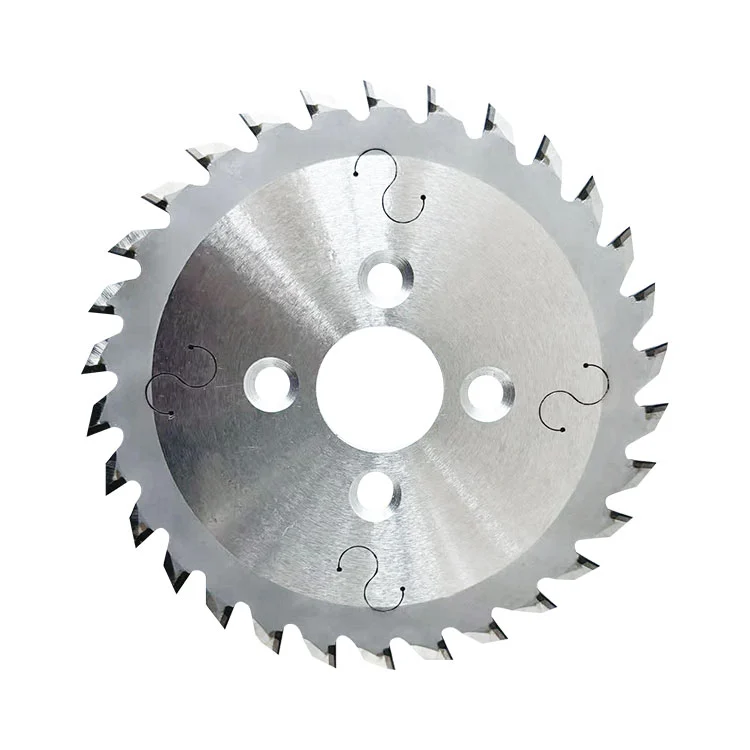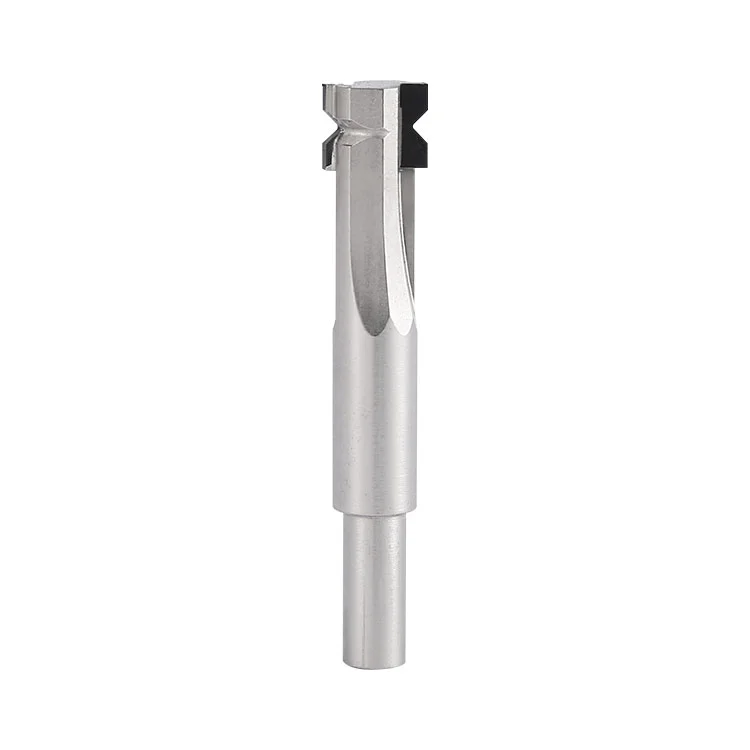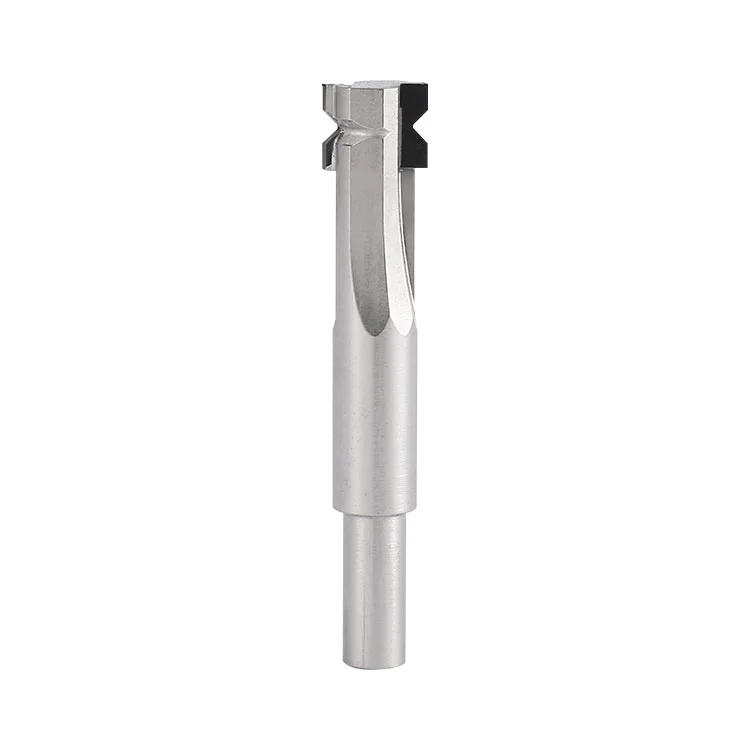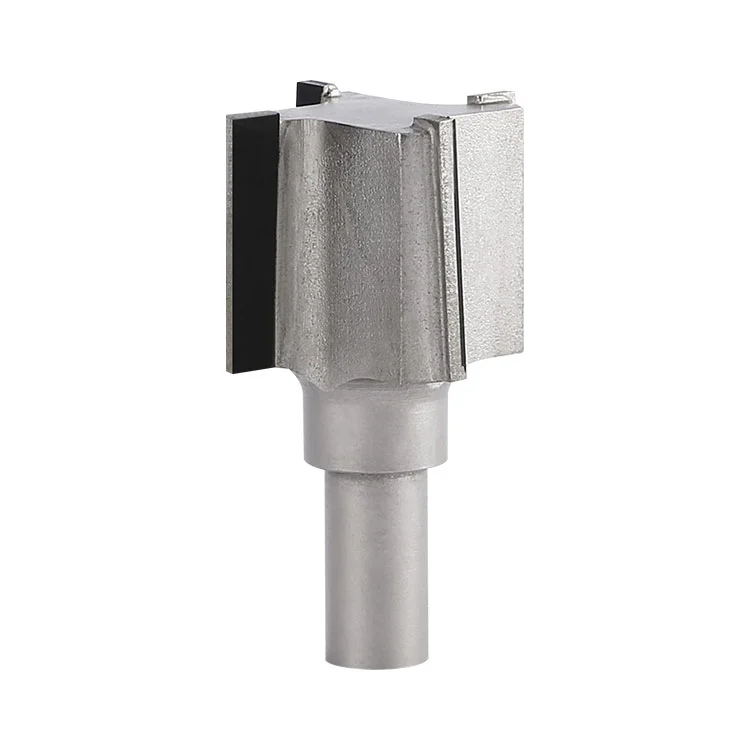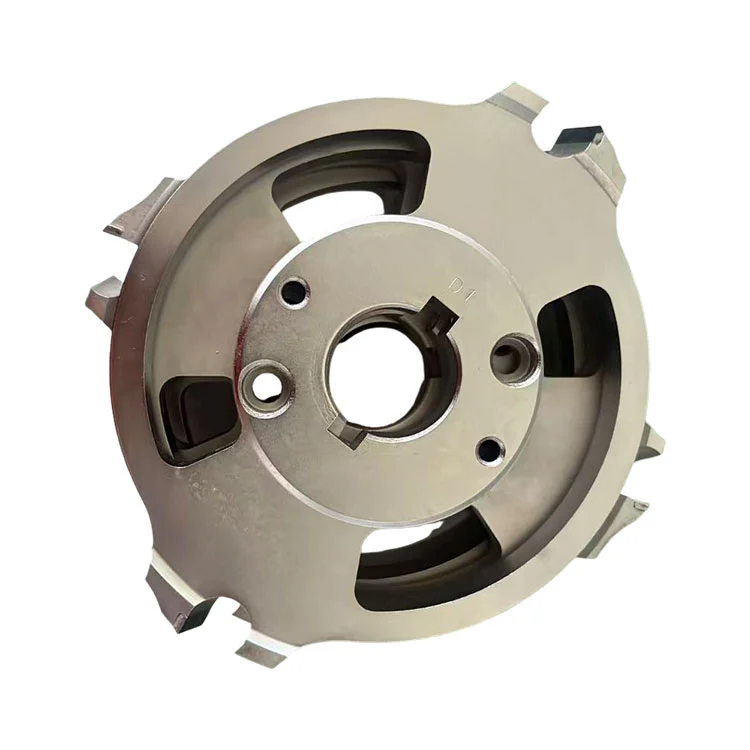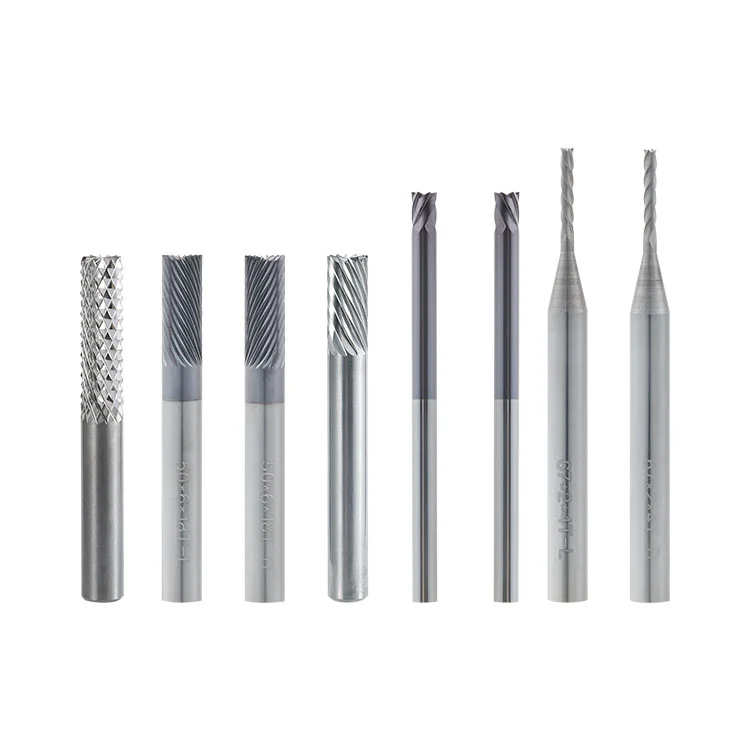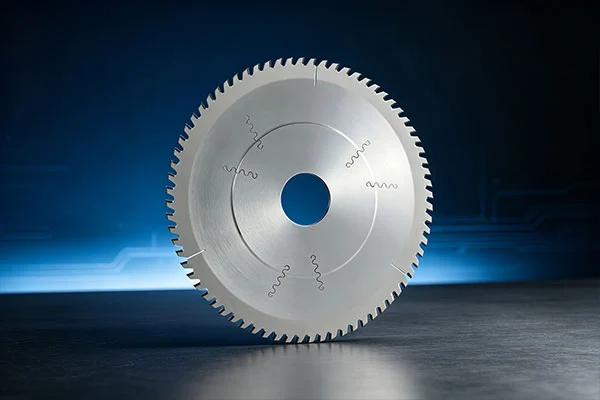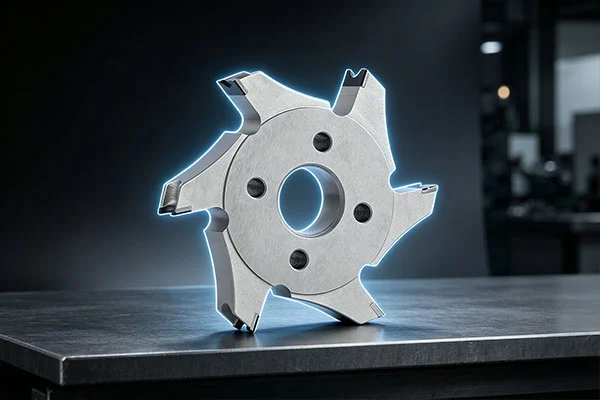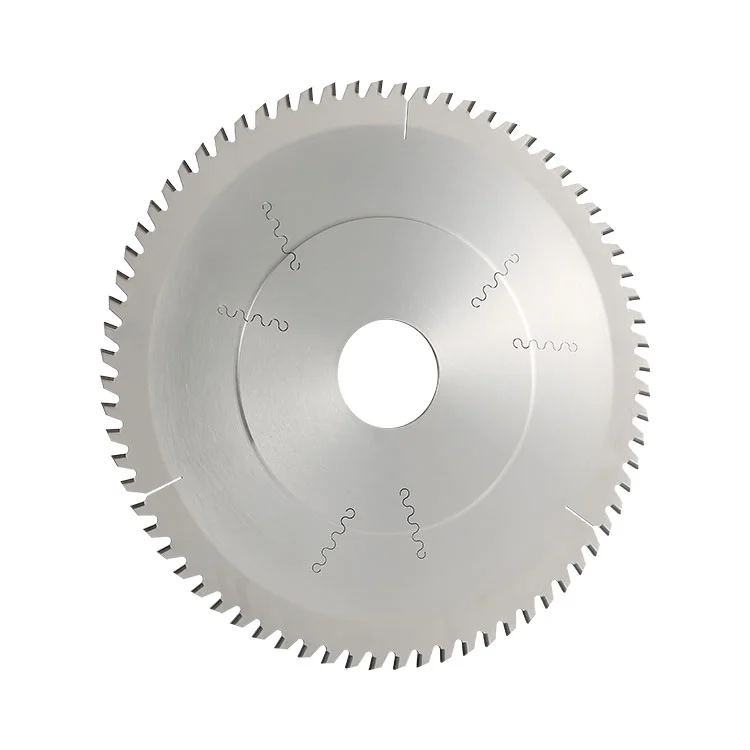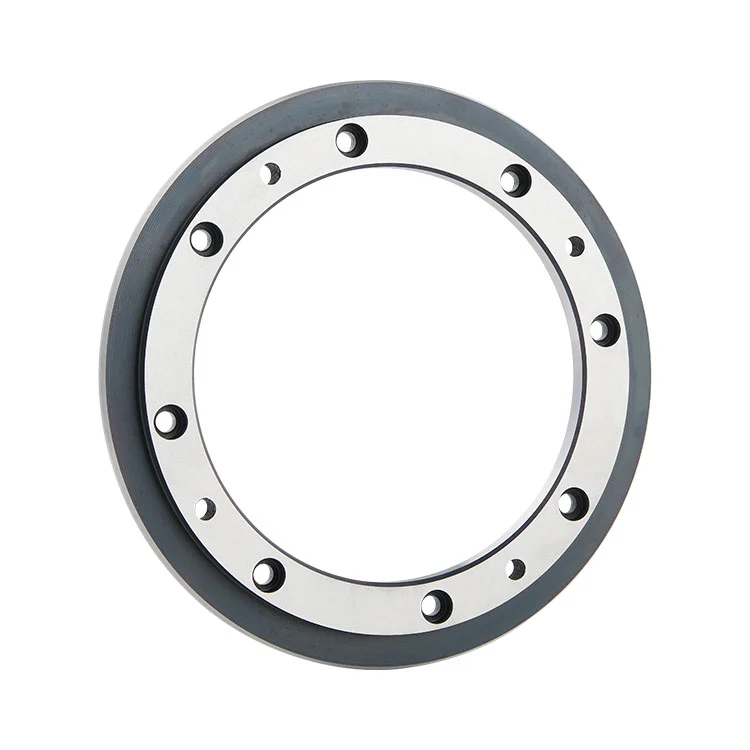
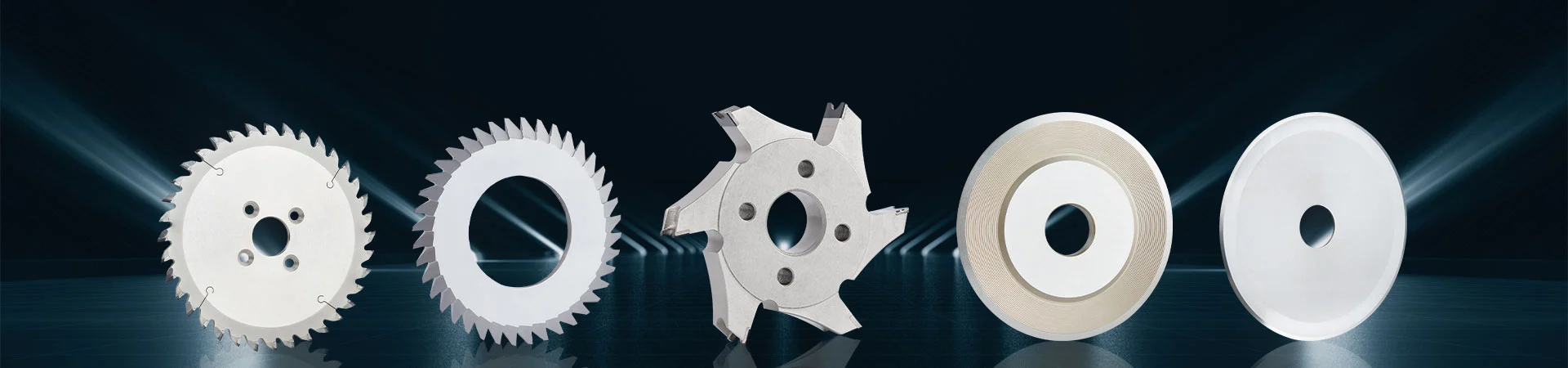
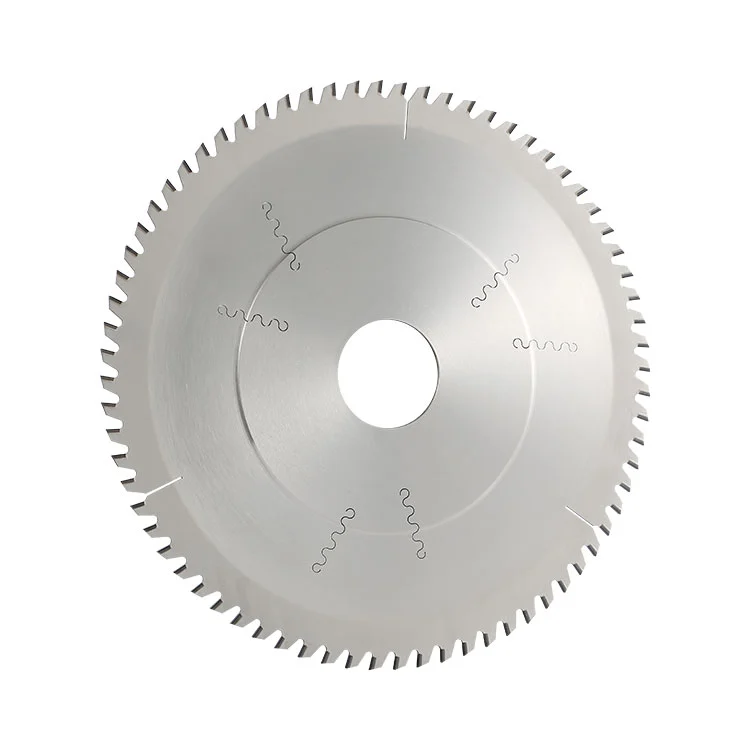
The PCD PCB Cutting Saw Blade is a specialized cutting tool for processing PCB substrate materials. Its main structure consists of an alloy-steel base body and PCD polycrystalline diamond composite segments welded onto the saw-tooth positions. Installed on a PCB cutting machine, it cuts large raw substrate panels into the required dimensions for subsequent manufacturing processes.
The blade combines the structural support of an alloy-steel substrate with the wear-resistant properties of PCD cutting segments. Different tooth forms and blade dimensions can be selected according to the board material, cutting equipment and processing requirements.
The blade consists of two main structural components:
The high-strength alloy-steel body provides structural support for the blade. Dynamic balancing helps maintain stable rotation and reduce vibration during high-speed cutting.
PCD polycrystalline diamond composite segments are welded at the tooth positions to form the cutting edges. Their high hardness and wear resistance make them suitable for processing abrasive PCB materials containing glass fiber and resin.
Alternate-bevel teeth and trapezoidal-flat teeth are available for different cutting requirements. The appropriate configuration depends on the PCB material, board thickness and machine setup.
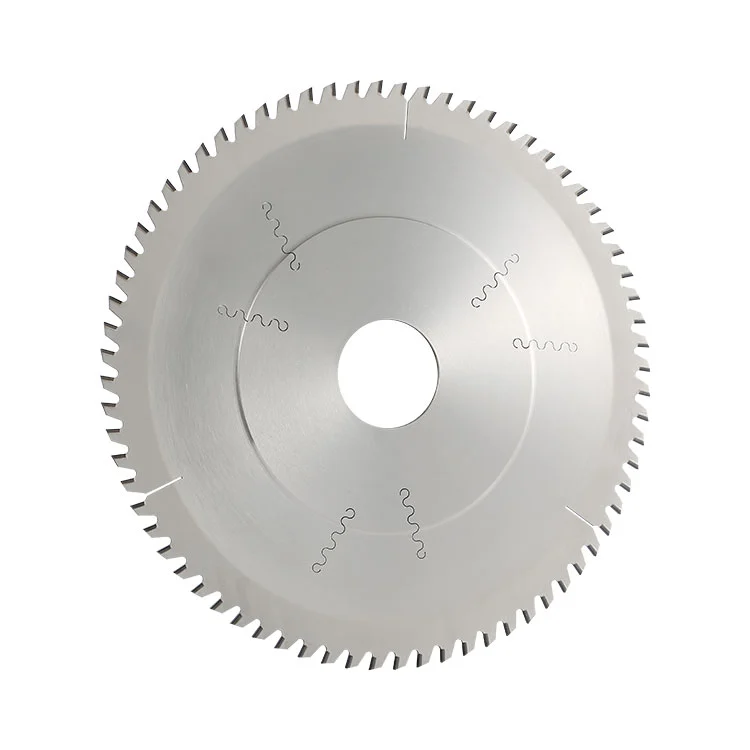
The blade operates through a high-speed rotary cutting process. Its working principle can be divided into four stages:
The blade is mounted on the spindle of a PCB cutting machine. Once the machine starts, the spindle drives the blade to rotate at the required operating speed.
The PCD cutting teeth engage with the PCB substrate and process resin, glass-fiber cloth and copper foil through a combined shearing and grinding action.
Alternate-bevel teeth perform cutting from alternating sides. Trapezoidal-flat teeth can be used for preliminary grooving followed by section finishing. Each configuration provides a different cutting action.
The cutting process is designed to produce a flat board edge and help reduce delamination, fuzzing and edge chipping. Actual cutting quality depends on blade condition, machine accuracy, feed speed and material properties.
The blade is designed for PCB panel opening applications where cutting-edge wear resistance, rotational stability and dimensional compatibility are important.
● Wear-Resistant PCD Cutting Edge: PCD composite segments provide high abrasion resistance when processing glass-fiber-reinforced PCB materials.
● Optimized Tooth Configurations: Alternate-bevel and trapezoidal-flat tooth forms support different cutting requirements and help reduce burr formation and edge damage.
● Dynamic Balance Treatment: The alloy-steel substrate undergoes dynamic balancing to help reduce vibration during high-speed operation.
● Multiple Thickness Options: Different teeth thicknesses are available to match machine configurations and PCB cutting requirements.
● Customized Specifications: Outer diameter, teeth thickness, inner diameter, teeth number and tooth shape can be selected according to machine parameters.
The following table lists the available standard specifications. Please confirm the required dimensions and tooth configuration before ordering.
| Ordinal | Outer Diameter ∅D (mm) | Teeth Thickness B (mm) | Teeth Number Z | Inner Diameter ∅d (mm) | Teeth Shape |
|---|---|---|---|---|---|
| 01 | 255 | 2.5 | 60, 72 | 25.4 | FZ |
| 02 | 305 | 2.4 | 60, 72 | 31.75 | FZ |
| 03 | 305 | 2.6 | 60, 72 | 25.4 | FZ |
| 04 | 305 | 4.0 | 54, 72 | 25.4 | WZ/FZ |
| 05 | 325 | 3.6 | 72, 84 | 25.4, 30, 60 | WZ/FA |
| 06 | 325 | 4.0 | 72, 84 | 25.4, 30, 60 | WZ/TR |
| 07 | 350 | 3.2 | 54, 72, 84 | 25.4, 30, 60 | WZ/FA |
| 08 | 350 | 3.6 | 54, 72 | 25.4, 30, 60 | WZ/FA |
| 09 | 350/375 | 4.0 | 48, 72, 84 | 25.4, 30, 60 | WZ/TR |
Customization: Custom sizes and specifications are available upon request, subject to machine requirements and production confirmation.
This blade is designed for opening and cutting PCB raw substrate panels. Its listed applications cover several types of electronic substrate materials and manufacturing processes.
Used for opening and cutting FR-4 copper-clad laminate panels in PCB production. The PCD cutting edge is designed to process glass-fiber-reinforced resin materials and copper foil.
Suitable for cutting aluminum-based PCB substrates used in power supply electronics manufacturing. Blade dimensions and tooth configurations should be selected according to the cutting machine and substrate specifications.
Used for opening and sizing multilayer raw boards in communication equipment manufacturing. The appropriate blade specification should be determined according to board construction and cutting conditions.
Listed for high-frequency special substrate processing in automotive and new energy electronics applications. Material compatibility should be confirmed before selecting the blade for a specific substrate.
Choosing the right blade requires matching its dimensions and cutting structure with the machine and the PCB material. Before placing an order, check the following information:
| Selection Item | What to Confirm |
|---|---|
| Outer Diameter | Check the maximum blade diameter supported by the cutting machine. |
| Teeth Thickness | Confirm the required blade thickness according to the cutting process and equipment setup. |
| Teeth Number | Select an available tooth count according to the required cutting configuration. |
| Inner Diameter | Match the bore size with the machine spindle or mounting shaft. |
| Tooth Shape | Confirm whether FZ, WZ, FA or TR configuration is suitable for the intended application. |
| PCB Material | Provide the substrate type and board thickness to help determine blade compatibility. |
When requesting a customized specification, it is helpful to provide the existing blade dimensions, machine model, PCB material and cutting requirements. These details allow the manufacturer to evaluate the appropriate configuration.
Before Installation: Confirm that the outer diameter, inner hole and tooth shape match the cutting machine. Inspect the blade for cracks or damaged teeth before installation. Do not use a blade with visible structural damage.
Operating Speed: The stated recommended linear-speed range is 800–1400 m/min. Confirm the applicable speed according to the blade specification, PCB material and machine conditions. Excessive speed may accelerate PCD cutting-edge wear.
During Cutting: Maintain effective dust removal and chip evacuation. Poor dust extraction may contribute to board burning and accelerated tool wear.
Impact Prevention: Avoid impact loads and prevent the blade from hitting fixtures or the worktable during installation and operation.
Use an air gun to remove glass-fiber and resin dust accumulated between the teeth. Keeping the cutting area clean helps prevent material buildup from affecting subsequent operation.
Place the blade in an anti-collision plastic tube when it is not in use. Protect it from extrusion, collision and damp environments to avoid damage to the cutting edges and substrate.
When cutting quality declines, such as when obvious burrs or delamination appear, stop production and arrange professional inspection. Regrinding may be considered depending on the condition of the PCD cutting edges and the remaining blade structure.
Do not manually grind PCD teeth. Improper grinding methods may damage the composite cutting layer and affect cutting performance.
Possible Causes: Worn saw teeth, excessive feed speed, insufficient air blowing, loose board pressing or excessive spindle runout.
Suggested Checks: Inspect the cutting edges and verify the machine parameters, dust removal and board clamping condition. If the cutting edge is worn, professional inspection can determine whether regrinding is appropriate.
Possible Causes: An unsuitable tooth configuration, worn cutting edges, unstable feeding conditions or insufficient board support.
Suggested Checks: Check the blade condition, tooth configuration, feed conditions and board clamping. Confirm that the selected blade is suitable for the material and cutting process.
A: PCD diamond composite cutting edges offer high wear resistance when processing abrasive PCB materials. The alloy-steel substrate supports blade stability during high-speed operation. The PCD PCB Cutting Saw Blade is designed for repeated PCB cutting applications, with actual service life depending on the processed material, operating conditions and maintenance practices.
A: The listed tooth configurations include alternate-bevel teeth and trapezoidal-flat teeth. The appropriate form should be selected according to the PCB material, board thickness, machine configuration and cutting requirements. Customized tooth configurations can be discussed with the manufacturer.
A: The listed applications include FR-4 copper-clad laminates, high-glass-fiber boards, aluminum-based substrates, multilayer raw boards and high-frequency special substrates. Actual compatibility should be confirmed according to material composition and cutting conditions.
A: Common causes include saw-tooth wear, excessive feed speed, insufficient air blowing, loose board pressing and excessive spindle runout. If a new blade produces poor cutting results, check the machine parameters and clamping condition before determining whether the blade itself is defective.
A: Worn PCD cutting edges may be suitable for professional regrinding, depending on their remaining condition and the extent of damage. Contact the manufacturer to confirm whether the blade is eligible and whether regrinding service is available.
Address
Building 17, Yonglida Tiansheng Industrial Park, No. 50 Gangkou Avenue, Wanjiang District, Dongguan City, Guangdong Province, China
Tel