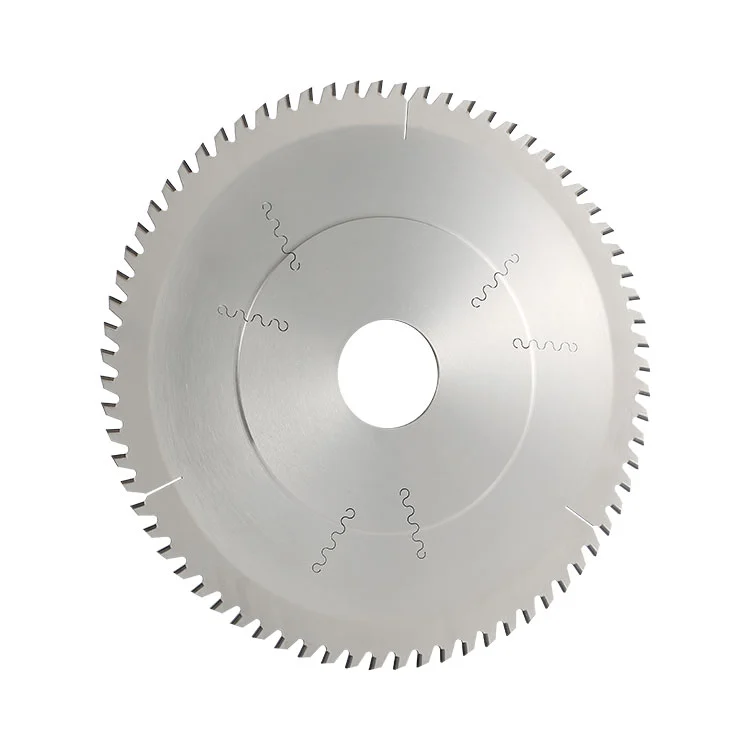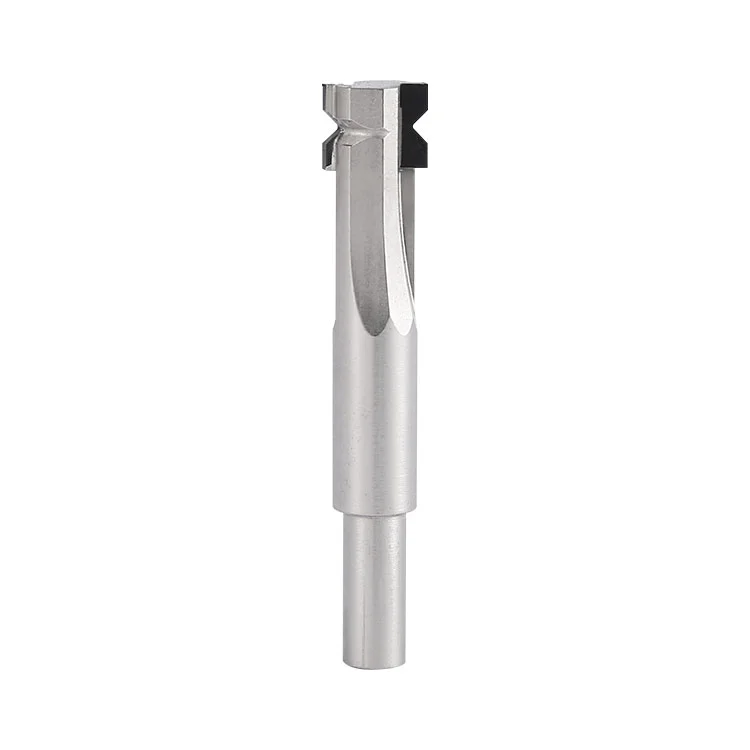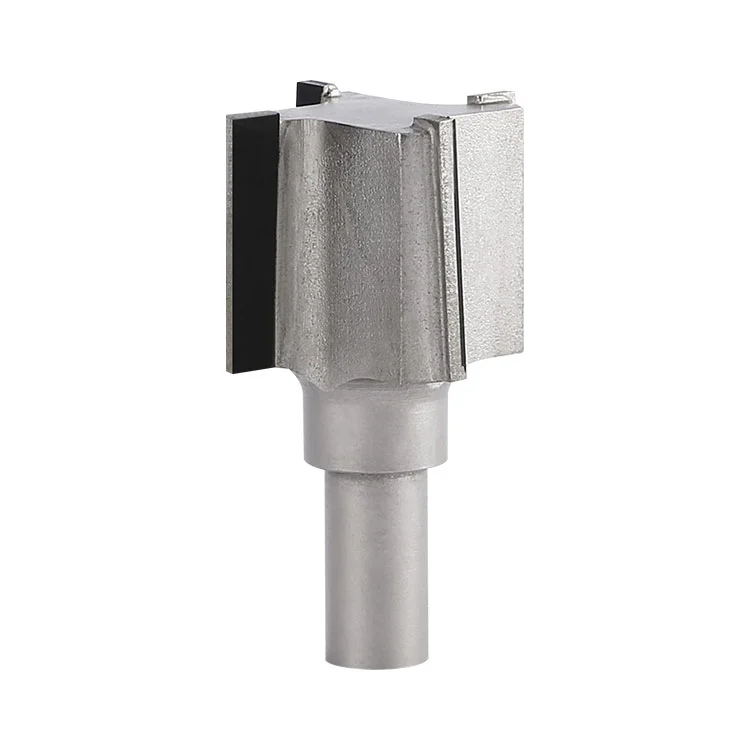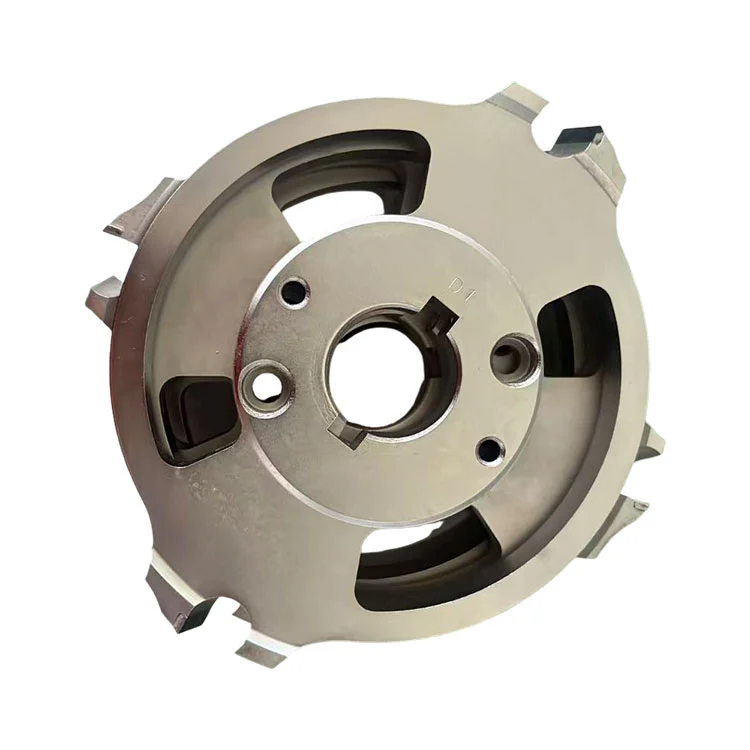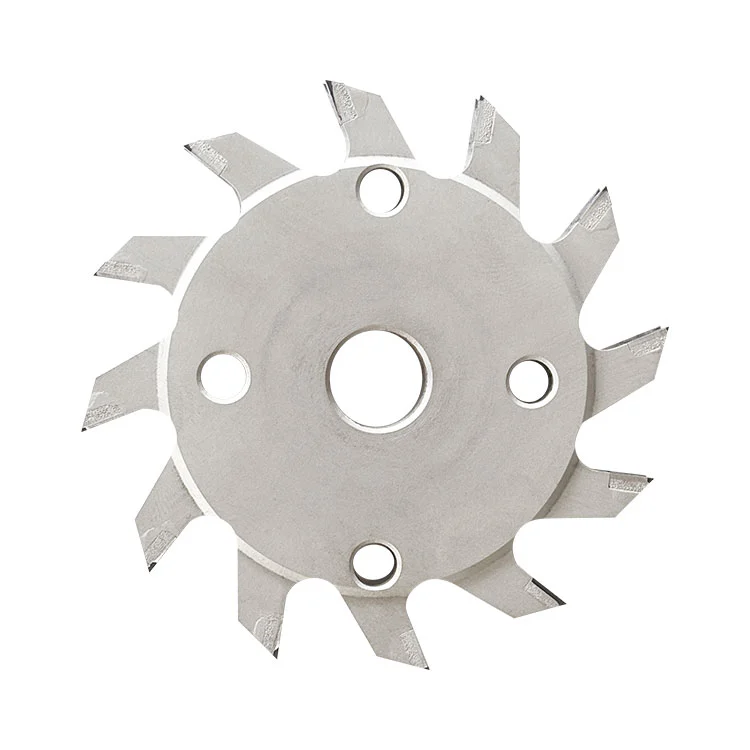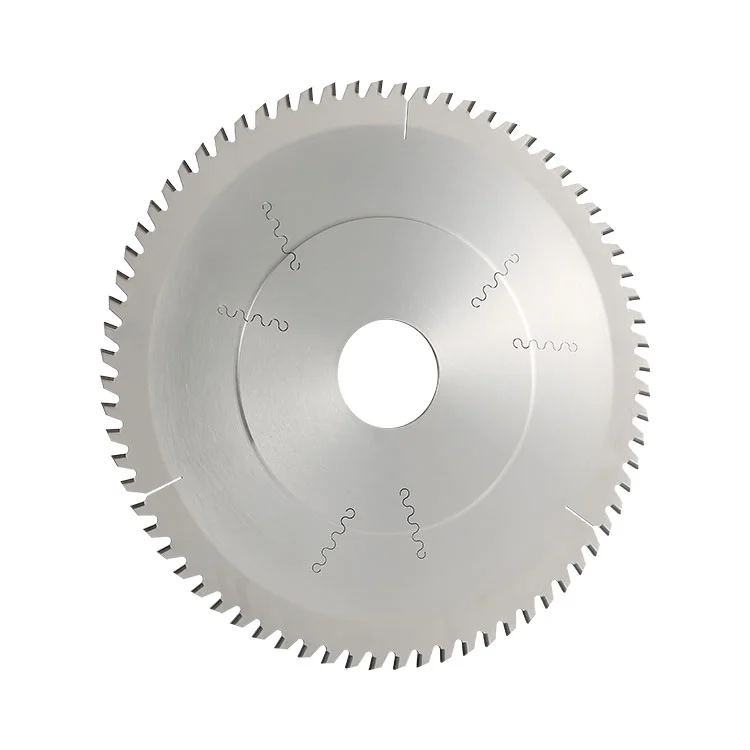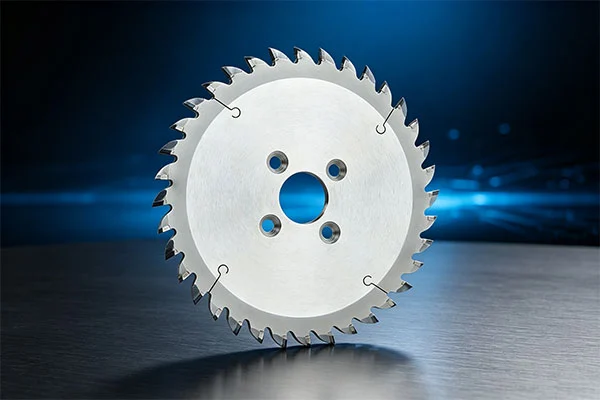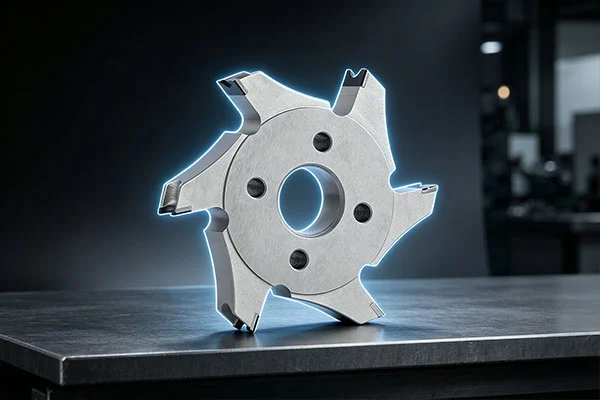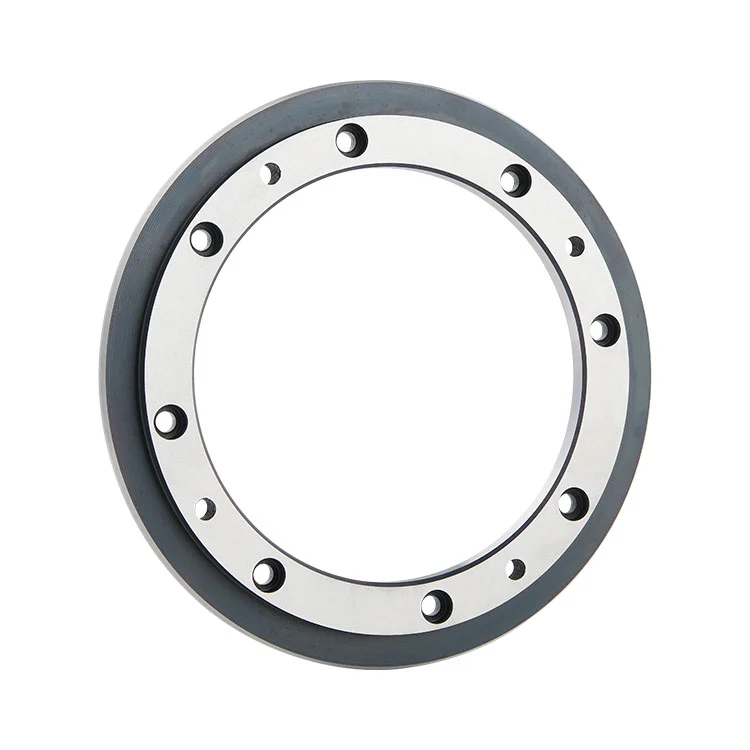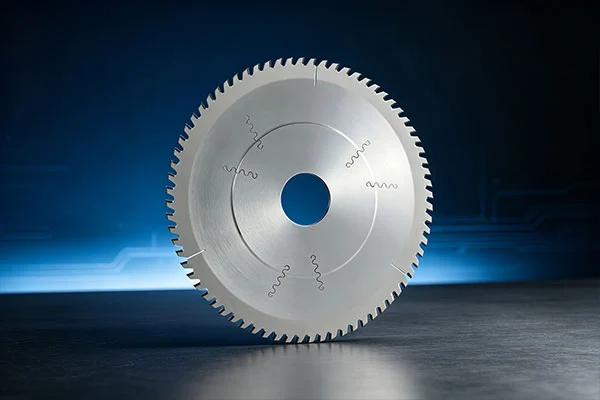
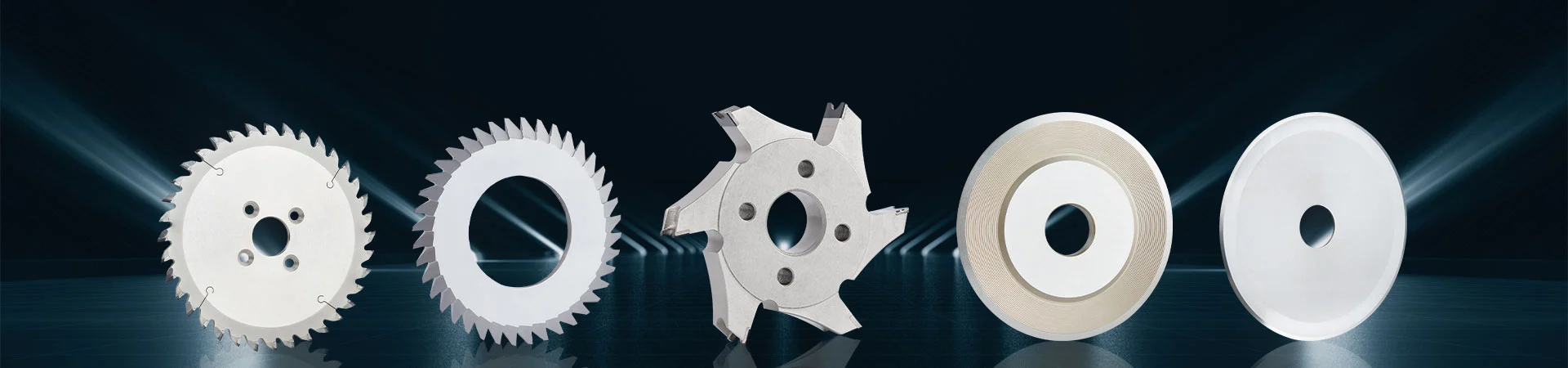
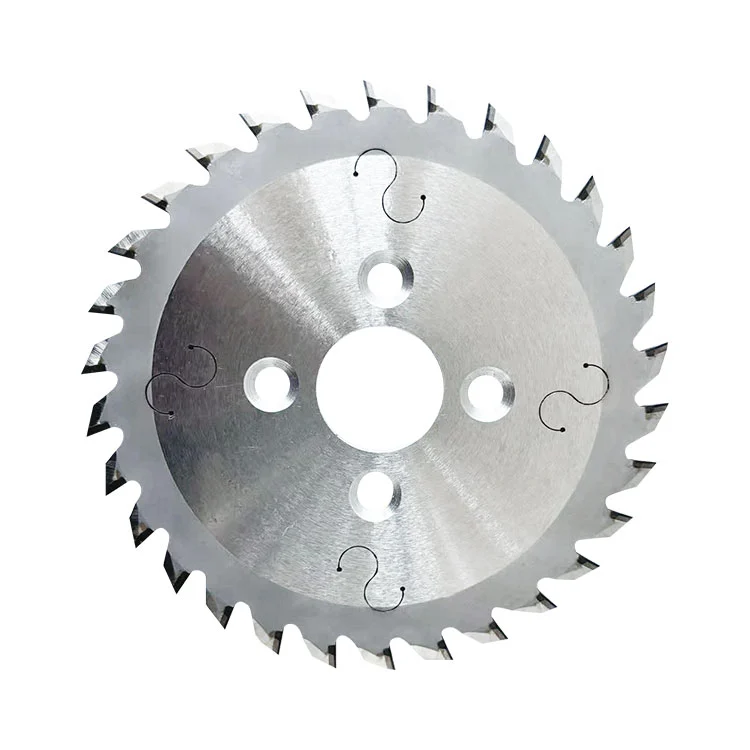
Winway is a professional manufacturer and supplier of PCD PCB V-Cut Cutter, offering precision diamond cutting tools for PCB V-groove machining. This cutter features a high-strength alloy steel substrate with a PCD (polycrystalline diamond) composite sheet brazed onto the cutting edge. The V-groove angle is determined by the cutter's vertex angle, and the tool is designed to work in pairs with upper and lower cutters. It is suitable for processing FR-4 copper clad laminates, high-glass-fiber boards and aluminum-base boards. Compared with conventional tungsten steel V-CUT cutters, the PCD diamond cutting edge offers excellent wear resistance. The alloy steel substrate provides good dynamic balance with minimal vibration during high-speed cutting, extending tool service life for large-batch PCB V-cut production.
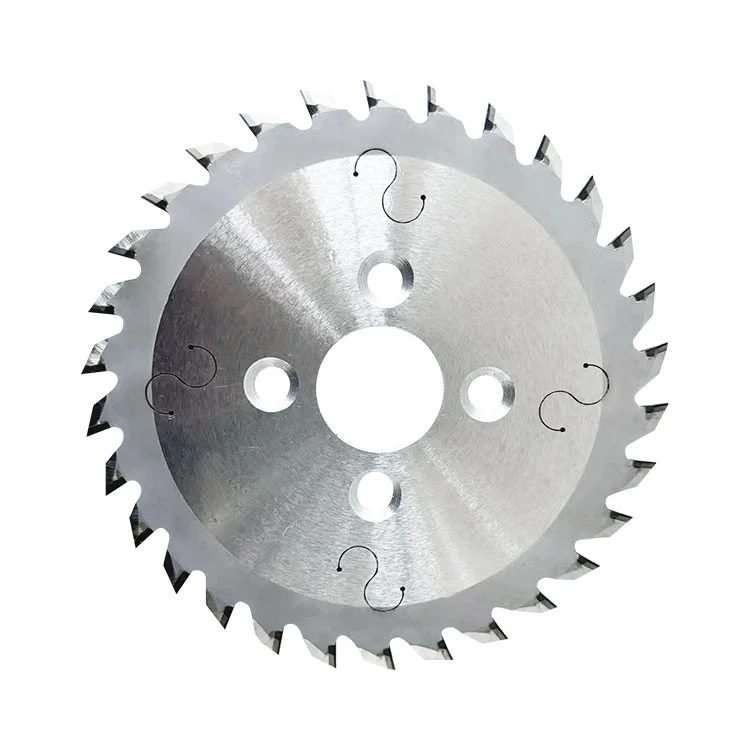
PCD PCB V-Cut Cutter, also known as a PCD V-Score Cutter, is a specialized diamond tool for PCB V-groove machining. It features an alloy-steel substrate with a brazed PCD polycrystalline diamond cutting edge on the outer rim. Two cutters operate as a matched pair to create symmetrical V-grooves from the top and bottom PCB surfaces and control the residual board thickness for subsequent panel depaneling. It is also commonly referred to as a diamond V-CUT cutter in the industry.
Substrate: Alloy Steel
The alloy steel body features high strength and good toughness, with resistance to impact and deformation. The inner bore and locating holes can be precisely machined to support multiple re-grinding cycles. Its inherent dynamic balance helps ensure low-vibration operation during high-speed rotation.
Cutting Edge: PCD Polycrystalline Diamond
The PCD composite segment reaches a hardness of around 8000HV, significantly higher than tungsten steel. It provides superior wear resistance when cutting glass-fiber boards. The PCD segment is firmly brazed onto the tool body through high-frequency brazing and precision-ground into a V-shaped cutting profile.
Material Note: PCD material is relatively brittle. Board collision during operation must be strictly avoided to prevent cutting-tooth chipping.
Processed Materials: Standard FR4, high-glass-fiber FR4 and aluminum-base PCB.
Service Life Comparison: PCD V-CUT Cutter achieves much longer service life than tungsten-steel V-CUT cutters.
Angle Accuracy: V-groove angle tolerance ±1°.
End-Face Run-Out: ≤0.05mm.
Machining Performance: Smooth V-groove inner wall without whitening or fiber pulling.
Extra-Long Wear-Resistant Service Life: The super-hard PCD material wears slowly when processing glass-fiber boards, reducing tool-change downtime and improving equipment utilization.
Stable Forming Accuracy: Paired cutters are precision-ground as a matching set. Consistent V-angle and residual thickness during long-term operation help reduce depaneling defects.
Superior Surface Quality: The sharp diamond cutting edge produces a smooth V-groove inner wall with minimal burrs and less board damage.
Wide Material Compatibility: Suitable for FR4, high-TG boards, high-glass-fiber boards, CEM substrates, thin aluminum-base PCBs and more.
Re-Grindable for Reuse: Dull cutting edges can be professionally re-ground for around 5 cycles, helping reduce long-term consumable costs.
Excellent Dynamic Balance: Precision dynamic-balance correction enables low-vibration high-speed cutting, helping protect the spindle and reduce equipment loss.
| Ordinal | Outer Diameter (mm) | Teeth Number Z | V Angle | Inner Diameter (mm) | Substrate Thickness B (mm) |
| 01 | 60/70/76 | 18,20,24,30 | 20°,30°,45°,60°,90° | 25.4 | 2.0 |
| 02 | 96/100 | 20,24,30,36,40 | 20°,30°,45°,60°,90° | 25.4、40 | 2.0 |
| 03 | 120 | 20,30,40,50 | 15°,20°,30°,45°,60°,90° | 25.4、40 | 2.0 |
Customization: Custom outer diameter, inner hole, teeth number and V-angle are available according to machine and PCB drawing requirements.
Consumer Electronics PCB Panels: V-score processing for mobile phone boards, charger boards, power boards and module PCBs.
Automotive Electronics: Circuit board processing for sensors and on-vehicle control boards using high-TG materials.
High-Glass-Fiber and Thick PCBs: V-groove machining for boards with high glass-fiber content and greater thickness.
Composite and Aluminum Substrates: V-groove processing for CEM-1, CEM-3 composite substrates and thin aluminum-base PCBs.
Automated PCB Production: Large-batch continuous V-cut processing on automatic V-cut machines.
Incoming Inspection: Verify material certificates of the PCD segment and alloy-steel substrate; inspect dimensions and flatness.
In-Process Inspection: Check brazing strength and cutting edges under a microscope for cold joints and cracks; spot-check dimensions after rough and finish grinding.
Final Inspection: Full-item inspection covering outer diameter, thickness, inner bore and locating holes; end-face run-out and radial run-out; V-angle accuracy; microscope inspection for cutting-edge chipping or cracks; and dynamic balance testing at G2.5.
Trial-Cut Testing: Select samples from each production lot for machine trial cutting. Inspect residual thickness, inner-wall smoothness and burrs before approval for warehousing and delivery.
Packaging Inspection: Re-inspect products before packing, attach product labels and certificates, and use individual protective packaging.
Product certificates and specification sheets are supplied with each shipment.
Non-artificial quality-related issues can be reported within the acceptance period after receipt. Technical troubleshooting support is available.
Technical guidance is available for cutting parameters, clamping and tool setting.
Professional re-grinding services are available for dulled cutting edges, with re-verification and re-matching after re-grinding.
The engineering team supports on-site process optimization to address V-score problems such as residual-thickness fluctuation and burrs.
A1: V-grooves are formed through double-sided opposite cutting. Two circular PCD cutters work together to create a symmetrical V-profile. A single cutter cannot produce a standard V-score. The matched pair should be used as a complete set, and replacing only one cutter arbitrarily should be avoided.
A2: PCD cutting edges offer superior wear resistance and much longer service life on glass-fiber boards, helping maintain stable machining accuracy over extended production runs. However, PCD is relatively brittle and can chip under collision. Tungsten-steel cutters offer better impact resistance but wear faster, making them suitable for small-batch production and boards with lower glass-fiber content.
A3: Yes. A PCD cutter specifically designed for aluminum-base materials should be used. Cutting parameters should be optimized, and effective dust collection should be maintained to prevent aluminum chip adhesion.
A4: The PCD PCB V-Cut Cutter can normally be re-ground around 5 cycles. Both cutters should be re-matched after re-grinding to maintain V-angle consistency.
A5: Common causes include clamping run-out, spindle clearance, feed-rate fluctuations, uneven wear between paired cutters and variations in board thickness. Check the clamping condition and inspect the cutting edges periodically.
A6: Main causes include board collision, foreign impurities inside the board, clamping eccentricity and excessive feed rate. Since PCD cutting edges are relatively brittle, inspect raw boards and avoid tool collisions during operation.
A7: A 30° angle is commonly used for standard PCB panels. A 45° angle creates a wider V-opening with greater breaking force and is mostly used for thick boards. A 60° angle is often selected for thin boards. Other special angles can be customized.
Address
Building 17, Yonglida Tiansheng Industrial Park, No. 50 Gangkou Avenue, Wanjiang District, Dongguan City, Guangdong Province, China
Tel