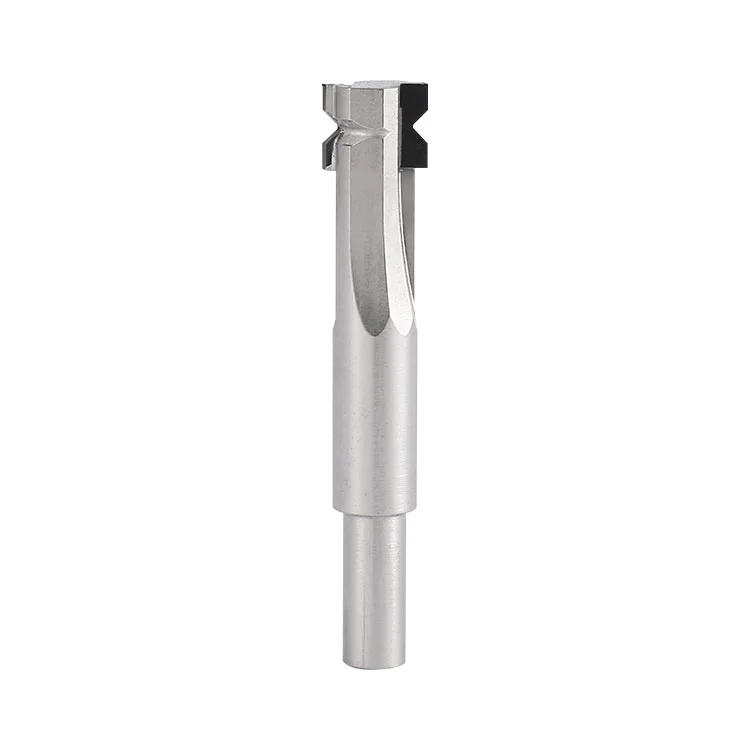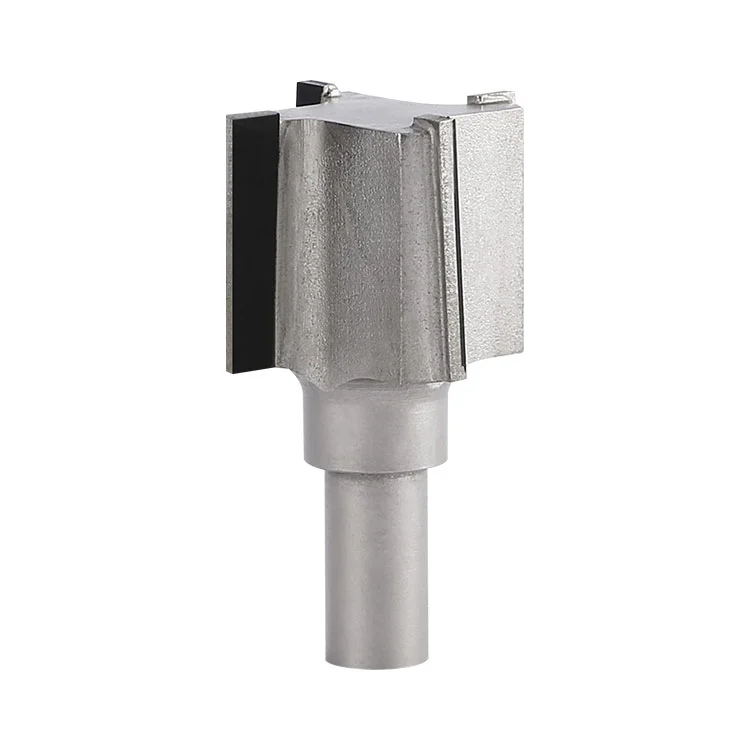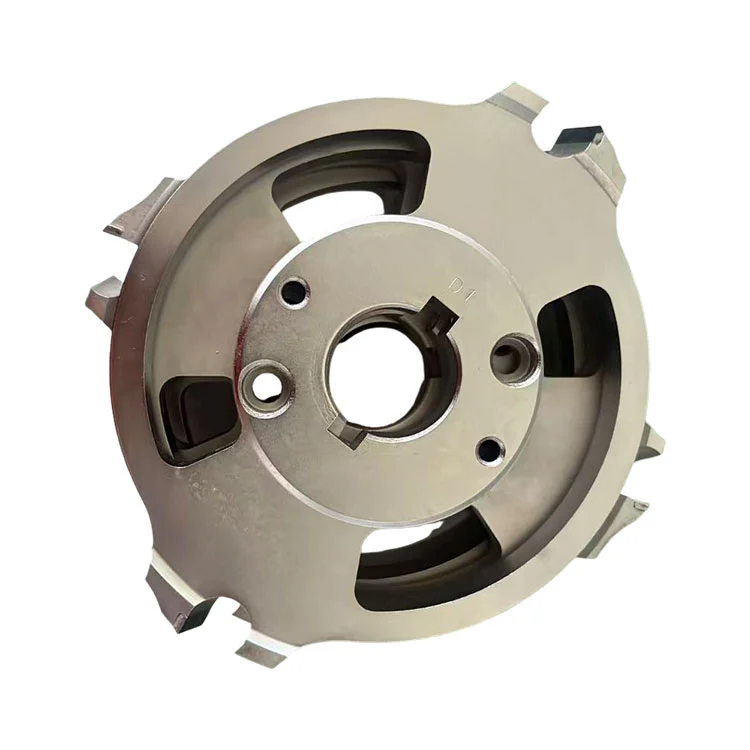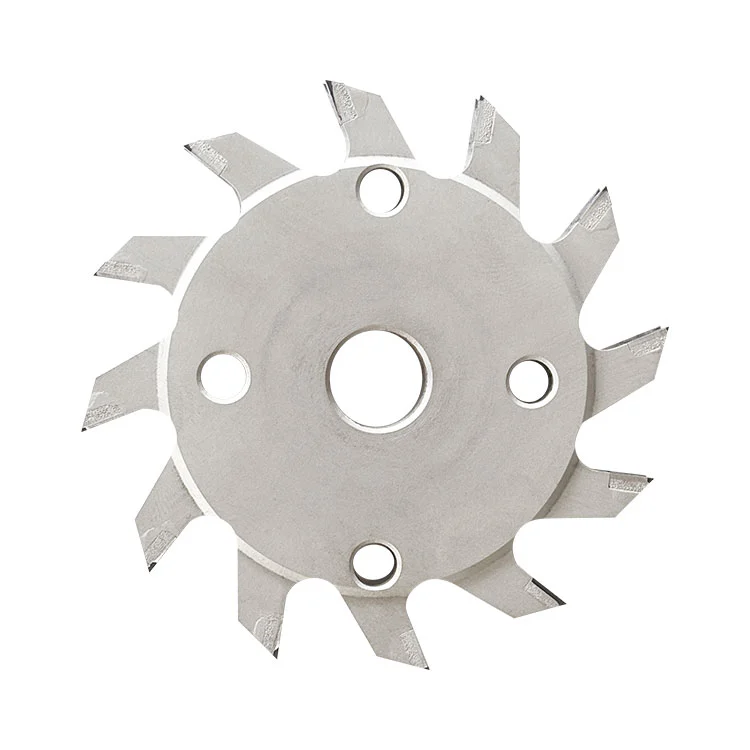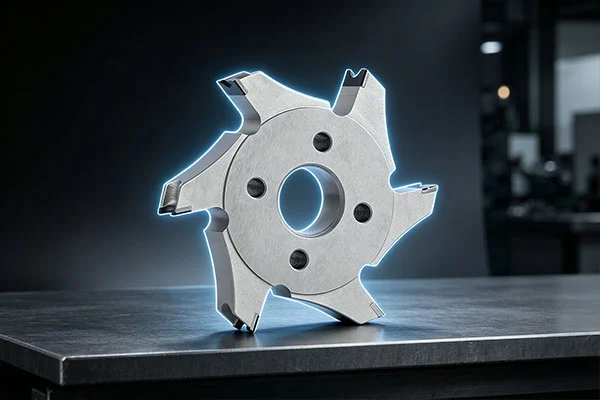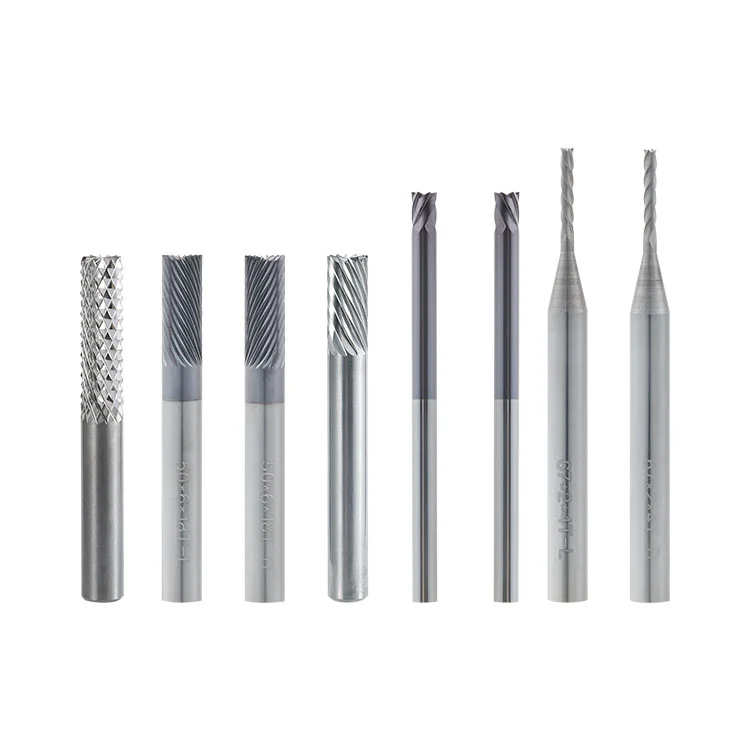
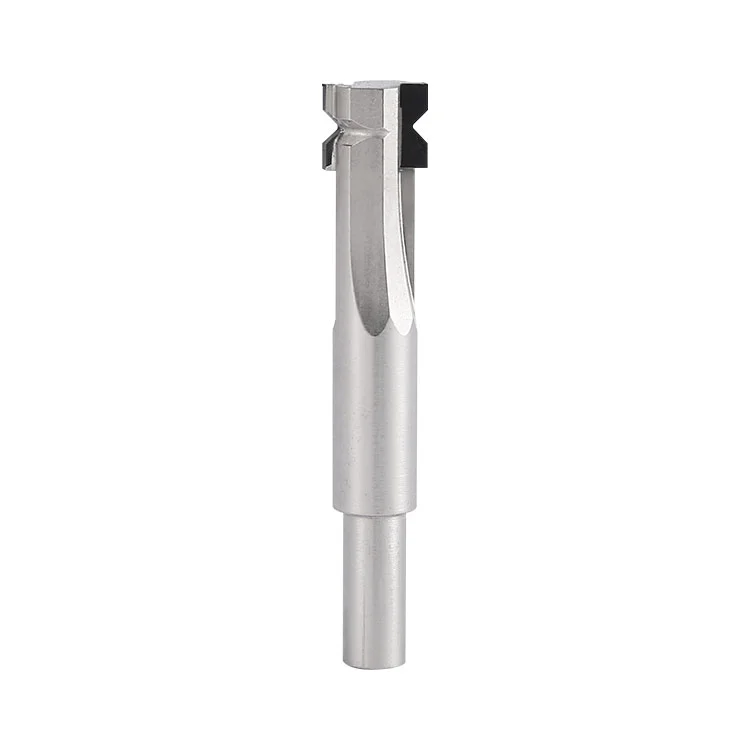
China PCD PCB Small Corner Radius Cutter Manufacturer Winway offers precision cutting tools for PCB manufacturers seeking reliable micro-radius machining solutions. Its alloy steel shank is integrated with a high-temperature brazed PCD diamond insert, featuring a precisely ground micro-arc cutting edge. The tool rounds sharp edges along PCB outer contours, slots and hole openings, converting right-angle edges into smooth R-arcs. This helps reduce stress concentration, prevent board edge chipping and copper foil lifting, and remove machining burrs. Compared with conventional tungsten-steel small-radius cutters, the PCD diamond edge offers higher wear resistance when machining fiberglass-filled boards, extending tool service life and supporting continuous mass production.
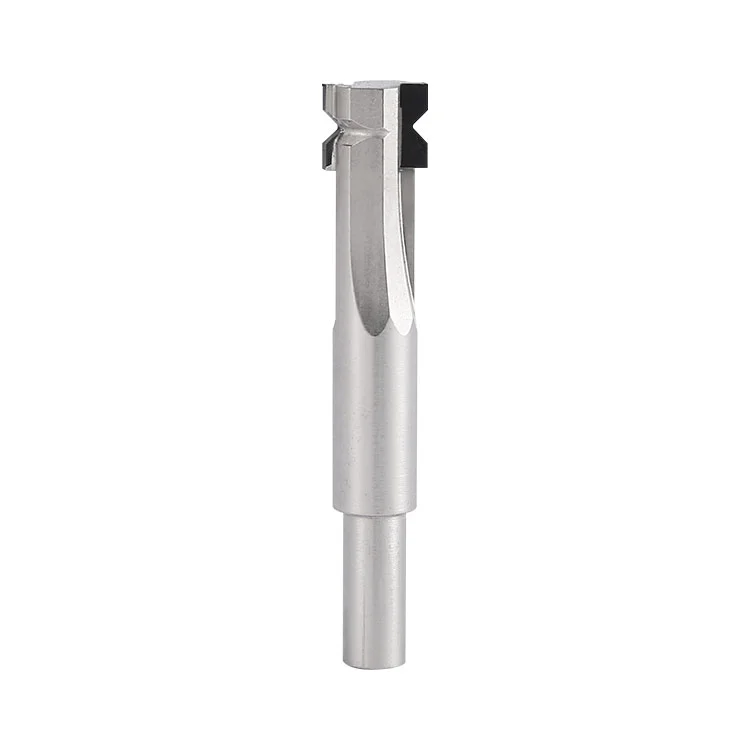
PCD PCB Small Corner Radius Cutter is a shank-type forming tool consisting of an alloy-steel substrate and a high-temperature brazed PCD diamond arc-shaped cutting edge. It is specially designed for micro-radius forming of printed circuit boards with typical R-values of 0.1/0.3/0.5 mm. The preset arc cutting edge mills standard rounded corners in one pass, realizing board-edge and hole-opening passivation and deburring. It belongs to dedicated diamond cutting tools for PCB forming processes.
High-speed rotation: The machine-tool spindle drives the tool to rotate at high speed, and the PCD arc-shaped cutting edge contacts the right-angle edge of the PCB workpiece.
Contour feeding: The arc cutting edge feeds uniformly along the workpiece contour and removes sharp-angle material to form a standard micro-radius arc in one pass.
Chip evacuation: Helical chip flutes rapidly evacuate fiberglass dust and resin chips, reducing scratch and thermal-burn risks to the cutting edge and board surface caused by chip friction.
Wear-resistant machining: Thanks to the ultra-high-hardness PCD diamond edge, the tool wears slowly when cutting glass-fiber-filled material, ensuring stable R-dimensions across batches and lowering frequent tool-change frequency.
| Item | Parameter Specification |
| Product Name | PCD PCB Small Corner Radius Cutter |
| Cutting Outer Diameter | 9.5mm |
| Total Length | 55mm |
| Shank Diameter | 6mm |
| Optional Radius | R0.1 / R0.3 / R0.5mm |
| Cutting Edge Material | PCD Polycrystalline Diamond |
| Shank Substrate Material | Heat-treated High-strength Alloy Steel |
FR-4 and fiberglass boards: Board-edge rounding, passivation and deburring for PCB FR-4 fiberglass boards, high-TG boards and high-glass-fiber boards.
Aluminum-base and metal-core PCB: R-angle forming on edges and hole openings of aluminum-base PCB and metal-core PCB.
Multi-layer and heavy-copper boards: Contour corner rounding to help prevent copper foil lifting and edge chipping.
V-CUT slot processing: R-angle treatment on both ends of V-CUT slots to reduce cracking risk during board breaking.
Mass-production PCB forming: Precision machining scenarios requiring high R-angle consistency and long-life continuous machining.
Solid metal machining: Machining thick solid metal, stainless steel or high-hardness solid metal parts. (PCD is optimized for fiberglass/resin-based substrate; metal cutting easily causes cutting-edge chipping.)
Workpieces with hard impurities: Workpieces containing large amounts of hard coarse-particle foreign substances or massive metallic impurities, which may cause severe impact chipping on the PCD edge.
Excessive cutting depth: Single-pass depth exceeding the allowable cutting-edge limit, leading to edge chipping and substrate damage.
Insufficient dust collection: Equipment without a dust-collection system, where accumulated fiberglass dust accelerates edge wear and scratches the board surface.
Unstable machining setup: Working conditions with large spindle run-out or loose fixtures; the PCD edge is highly prone to chipping under vibration.
Prolonged high-temperature cutting: Long-time heavy-load dry-cutting under high temperature, where the PCD brazed joint risks debonding and the steel substrate risks thermal deformation.
1. Do not start machining under excessive spindle run-out, a contaminated collet or a worn collet; vibration will chip the PCD diamond edge.
2. Forbid tool collision or spindle startup with an unclamped workpiece.
3. The dust-collection system must be enabled; fiberglass dust abrades the cutting edge and accelerates wear.
4. Forbid emergency stops or sharp feed-direction changes under high-speed rotation.
5. Never exceed the recommended maximum cutting depth; full-depth single-pass cutting is prohibited.
6. Do not use the tool for grinding or sand-blasting conditions; the PCD edge must be protected from hard-object collision.
7. Prevent tool dropping and hard impact. The PCD tip is brittle and may chip under minor impact; the steel shank may bend after impact.
| Abnormal Phenomenon | Root Cause |
| Board-edge chipping & glass-fiber pulling | Large spindle run-out, excessive feed rate, dull cutting edge, excessive filler/impurity inside board, insufficient dust collection. |
| Unstable R-radius size | Poor concentricity, slipping collet, unclamped workpiece, bent tool substrate caused by impact. |
| Chipped PCD tip / tooth loss | Tool collision, hard foreign impurities inside workpiece, heavy vibration, excessive single-pass cutting depth. |
| Cutting-edge debonding (PCD insert fall-off) | Excessive cutting heat, overload machining, damaged brazed joint, long-time dry-cutting without cooling, substrate thermal-deformation pulling brazing seam. |
| Blackened board surface & resin burning edge | Mismatched spindle speed, poor chip evacuation, chips burning board surface under high temperature. |
| Tool service-life far below expectation | High-glass-fiber workpiece, unreasonable cutting parameters, poor dust-collection effect, unstable cutting caused by deformed substrate. |
Storage: Store individually inside a dedicated tool box with cutting-edge protection. No stacking or bare placement to avoid collision.
Before operation: Visually inspect for notches or cracks on the cutting edge; clean collet dust; test spindle run-out.
During machining: Keep the dust-collection system running continuously. Periodically sample-check R-dimension and monitor cutting-edge wear and shank deformation.
After machining: Blow off chip dust from the cutting edge with a low-pressure air gun (no hard objects scratching the diamond edge); inspect the PCD edge for micro-chipping.
Handling: Hold the shank only, do not touch the diamond tip; prevent dropping, which may bend the steel substrate and scrap the tool.
A1: Mostly caused by excessive cutting heat and impact load. The high-temperature brazed joint bears excessive stress and the PCD insert separates from the high-strength steel substrate. Thermal deformation of the steel substrate also increases debonding risk. Reduce cutting depth, optimize parameters and guarantee dust collection and heat dissipation.
A2: Most probably poor overlap of multi-layer cutting passes, loose fixtures, bent steel shanks or excessive tool concentricity error. Priorities: inspect the collet, spindle run-out and shank straightness.
A3: Yes. PCD small-radius cutters are suitable for aluminum-base PCB. Optimize cutting parameters to prevent aluminum chip adhesion and control cutting heat to avoid substrate thermal deformation.
Address
Building 17, Yonglida Tiansheng Industrial Park, No. 50 Gangkou Avenue, Wanjiang District, Dongguan City, Guangdong Province, China
Tel