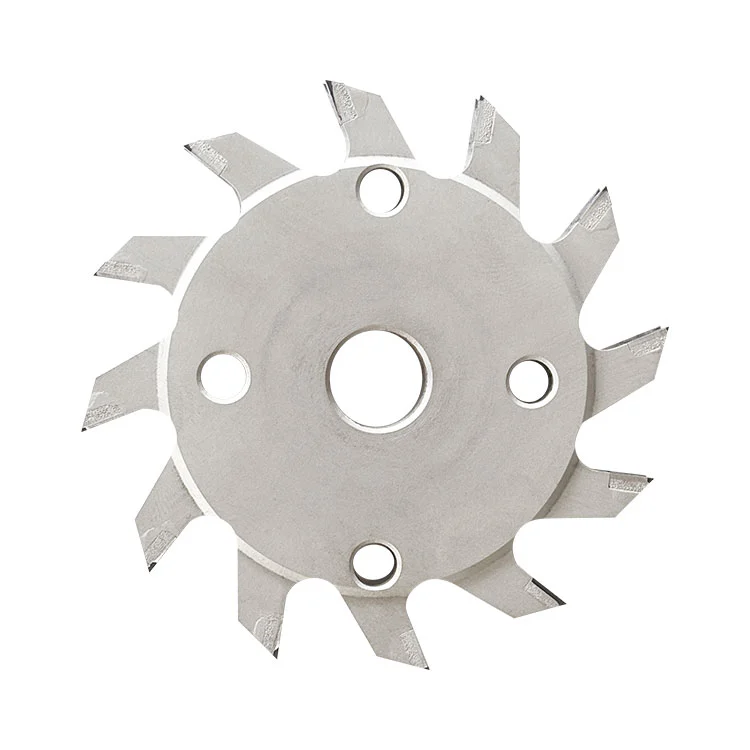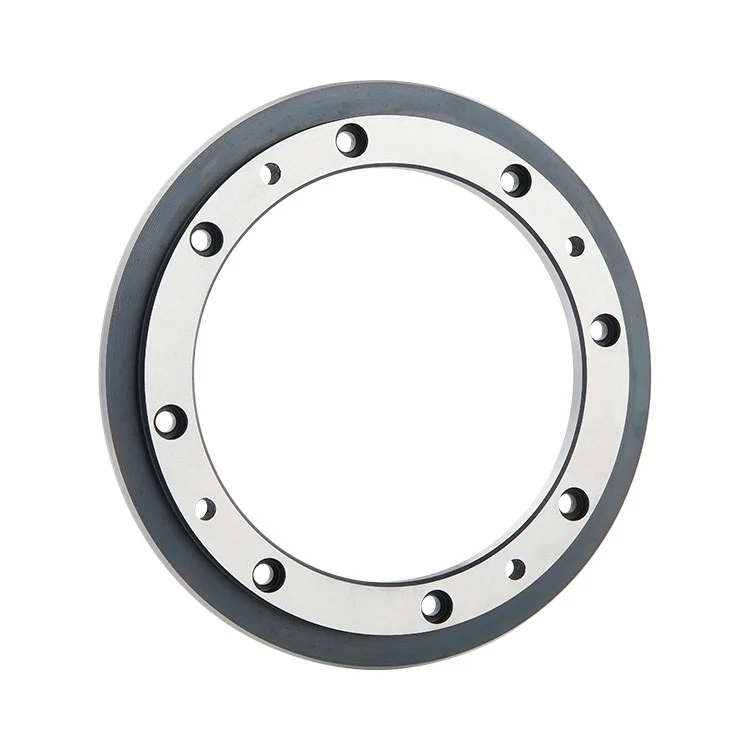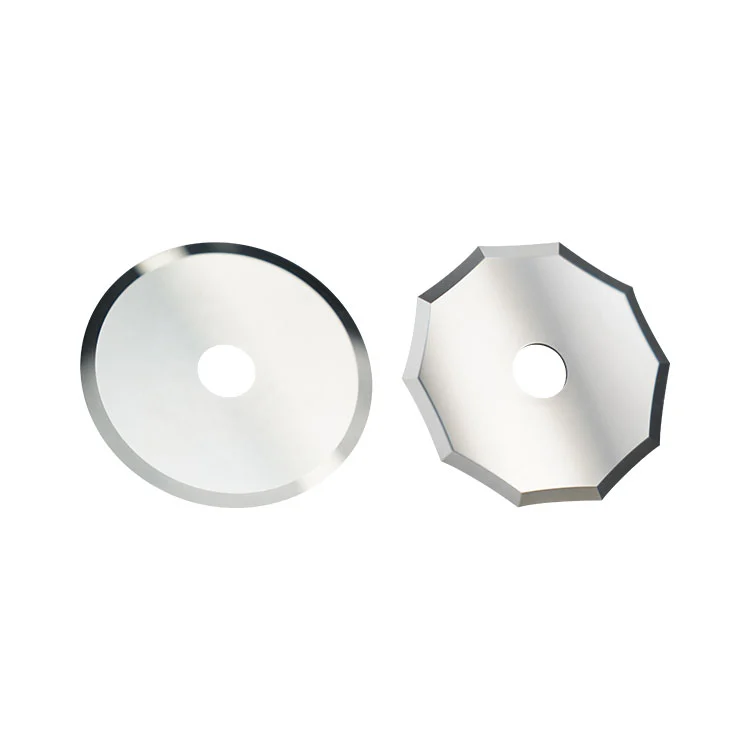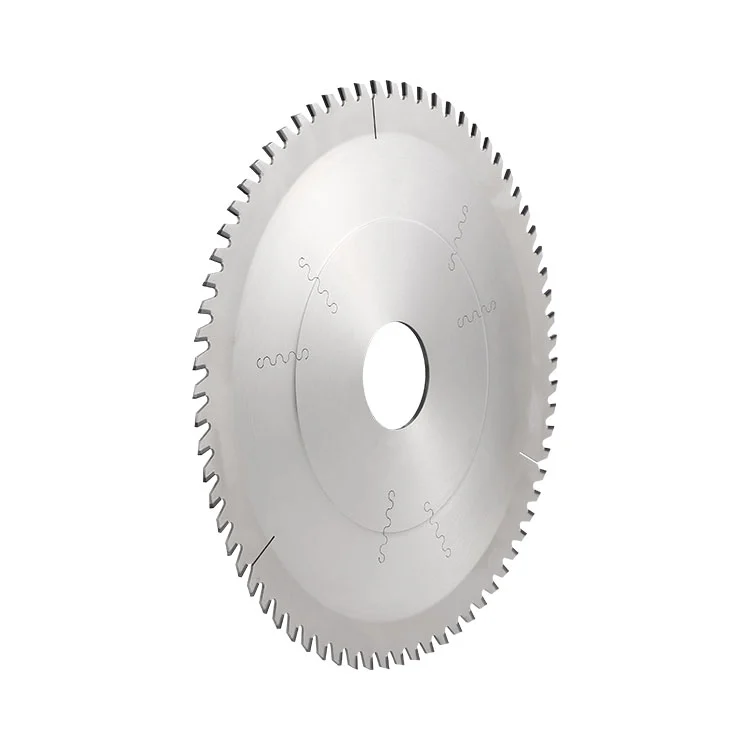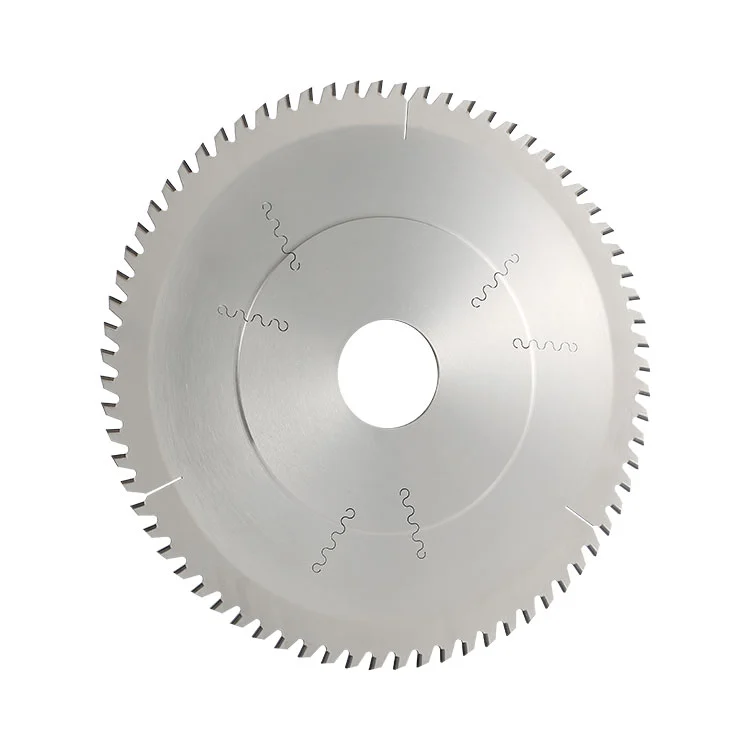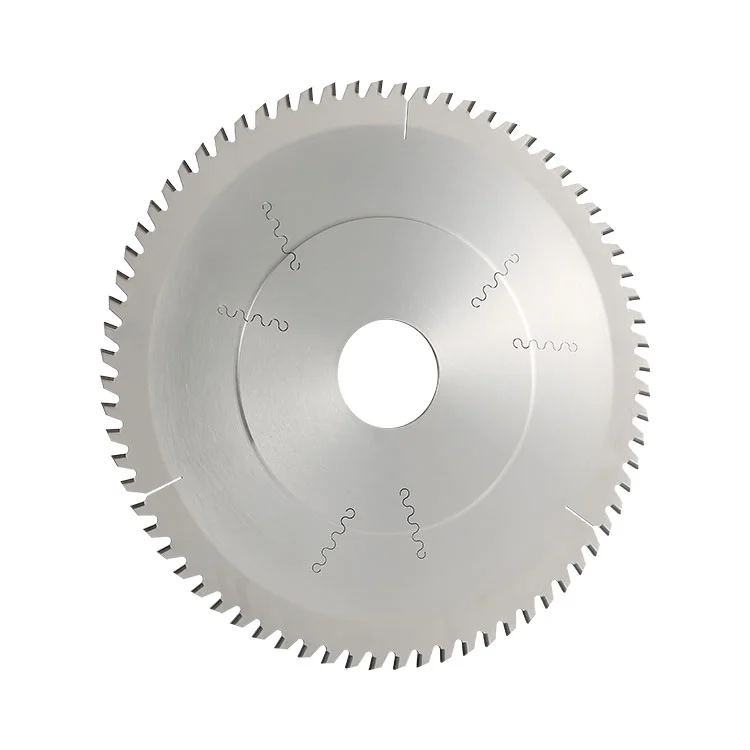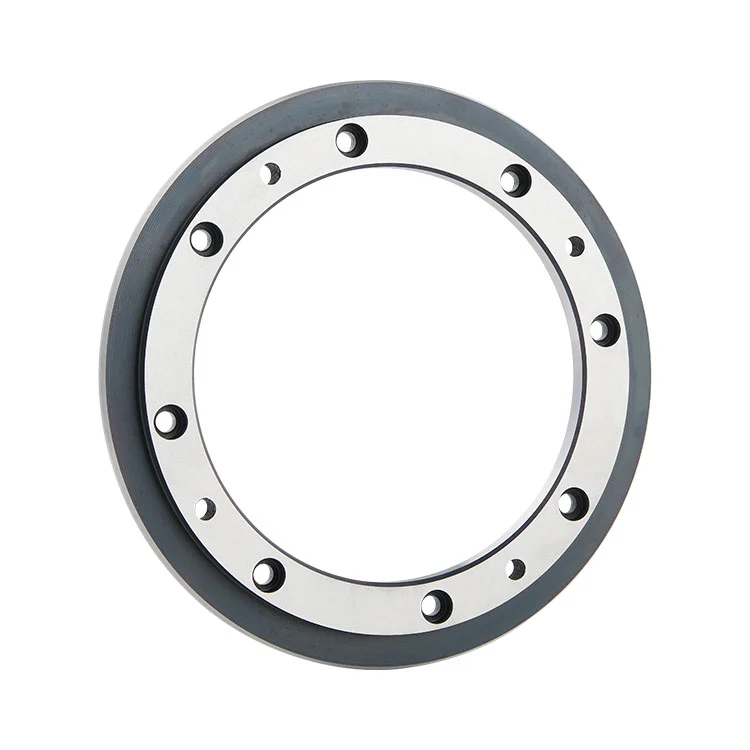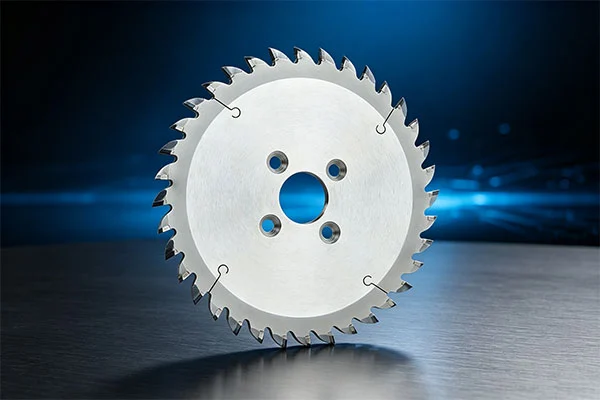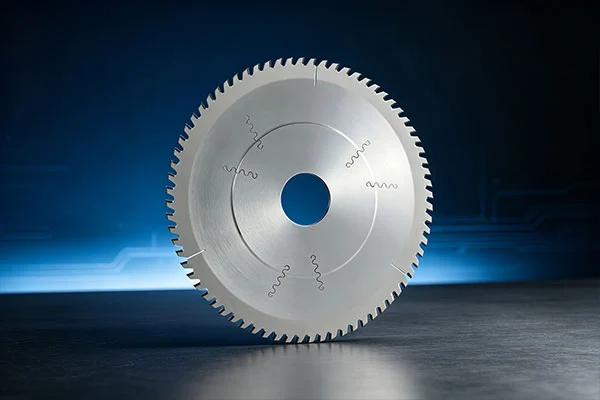

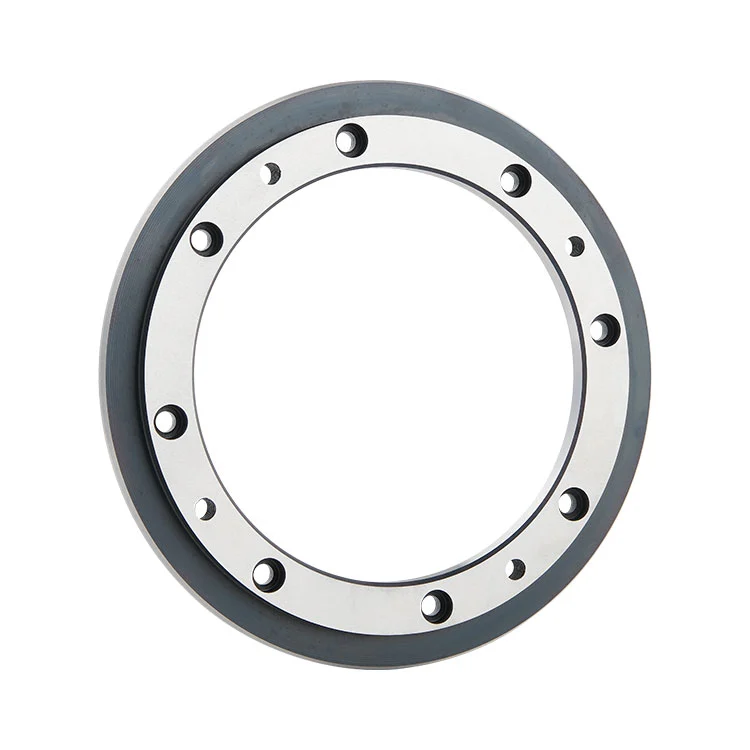
Consistent substrate dimensions and clean cutting edges are important in PCB material preparation. In continuous production, Carbide PCB Slitting Cutter plays a practical role in longitudinally slitting copper-clad laminate (CCL) and PP prepreg before subsequent PCB manufacturing processes. Material selection, blade geometry, dimensional accuracy and the coordination of upper and lower knives all influence the final cutting result.
1. The Role of Slitting in PCB Production
2. Why Material Selection Matters
3. The Importance of Blade Precision
4. Upper and Lower Knife Coordination
5. Common Causes of Cutting Burrs
6. Inspection and Tool Maintenance
Slitting is an important preparation step in the production of PCB base materials. Copper-clad laminate and PP prepreg are supplied in sheets or rolls that may require longitudinal cutting to achieve the dimensions needed for downstream processing.
During this operation, circular knives work with a slitting machine to divide the material along a predetermined cutting line. The quality of the cut can affect material handling, dimensional consistency and the condition of the edges before subsequent lamination and PCB manufacturing operations.
Unlike general-purpose cutting, PCB substrate slitting requires attention to material characteristics and cutting conditions. Uneven cutting, excessive burrs or material delamination can create additional inspection and handling work. Selecting suitable tooling is therefore an important part of maintaining a stable production process.
The material used to manufacture a slitting knife influences its wear resistance, hardness, dimensional stability and ability to withstand repeated cutting loads. These properties are particularly relevant in continuous production environments where the cutting edge is exposed to repeated contact with PCB base materials.
SKD11 is a high-carbon, high-chromium alloy tool steel containing alloying elements such as chromium, molybdenum and vanadium. With suitable heat treatment and precision grinding, it can provide the hardness and wear resistance required for industrial slitting applications.
For this cutter, the cutting-edge hardness after heat treatment can reach HRC 60–62. The material also offers dimensional stability and a balance of hardness and toughness, helping the blade withstand repeated cutting operations and material-joint impacts.
Material selection should still be matched to the actual substrate, machine configuration and production conditions. A harder cutting edge alone does not guarantee an ideal cutting result if blade alignment, clearance or machine condition is unsuitable.
Blade precision directly affects cutting consistency. In PCB substrate slitting, dimensional deviations and blade runout can lead to variations in cutting width, uneven edges or unstable operation.
Several manufacturing and inspection factors contribute to the precision of a circular slitting knife:
● Dimensional accuracy: Outer diameter, inner diameter and thickness need to match the slitting equipment and required cutting configuration.
● End runout: Controlling end runout helps maintain consistent cutting width and reduces uneven contact during operation.
● Flatness: Blade flatness supports stable positioning and smooth operation at the specified machine speed.
● Cutting-edge condition: Precision grinding helps produce a consistent edge, while final inspection checks for chips, scratches and burrs.
These factors work together. A properly ground blade with controlled dimensions can help maintain repeatable cutting conditions throughout production.
Many PCB substrate slitting systems use an upper and lower knife arrangement. The two circular knives work together on the cutter shaft to create a rolling cutting action. Their relative positioning and clearance are important to the cutting process.
A single knife cannot perform the intended paired slitting operation by itself. The upper and lower knives need to be matched according to the machine design, material thickness and cutting requirements.
Incorrect clearance, misalignment or excessive shaft runout can affect the cutting section even when the blades themselves are in good condition. During installation and setup, operators should verify the knife pairing, positioning and machine condition before starting continuous production.
Burrs and uneven cutting edges are common issues that require systematic troubleshooting. They do not necessarily indicate a defect in the slitting knife. Several process and equipment factors may contribute to the problem.
● Worn cutting edge: A passivated edge may no longer cut the substrate cleanly, resulting in increased burrs.
● Incorrect knife clearance: An unsuitable gap between the upper and lower knives can affect the rolling cutting action.
● Excessive end runout: Uneven blade movement may cause inconsistent cutting conditions across the material width.
● Material condition: Variations in substrate thickness or moisture content can influence cutting behavior.
● Machine shaft wear: A worn or unstable cutter shaft may affect blade positioning and operational accuracy.
When cutting quality deteriorates, checking the blade, machine and substrate together is more effective than replacing the knife without identifying the cause.
Quality control begins with raw material inspection and continues through machining, heat treatment, grinding and final inspection. Each stage helps identify potential issues before the cutter enters production.
Raw SKD11 material can be checked for material composition, metallographic condition and hardness. During machining, inspectors verify key dimensions and flatness. Heat treatment inspection includes batch hardness sampling, while precision grinding inspection focuses on dimensional tolerances, flatness and end runout.
Before shipment, the cutting edge is examined under a microscope for chips, scratches and burrs. Finished products also undergo dimensional and appearance checks.
As a slitting knife operates, its cutting edge gradually becomes worn. Depending on the remaining blade condition and available grinding allowance, regrinding may restore its cutting capability and extend its usable service life.
Regular inspection of the cutting edge, knife clearance and cutter shaft can help identify developing problems before they cause significant production interruptions. Regrinding should follow suitable technical requirements to maintain the required dimensions and blade geometry.
Choosing a suitable cutter requires more than checking its outer diameter. The tool needs to match the slitting machine, material type and production requirements.
Before confirming a specification, manufacturers should consider:
● Material: Confirm whether the application involves CCL, PP prepreg or another compatible substrate.
● Machine configuration: Check the cutter shaft, mounting arrangement and upper-and-lower knife pairing requirements.
● Dimensions: Confirm outer diameter, inner diameter and thickness against equipment drawings.
● Cutting requirements: Define the required slitting width and acceptable cutting-edge condition.
● Trial testing: Evaluate cutting quality, dimensional consistency and burr conditions on the actual machine before proceeding with larger production quantities.
For reference, the product specifications listed for this cutter include outer diameters of 150 mm, 190 mm and 200 mm, inner diameters of 100 mm or 140 mm, and thicknesses of 12 mm or 15 mm. Customized dimensions can also be discussed according to equipment drawings.
Providing accurate machine drawings and substrate information helps the tool manufacturer assess dimensional compatibility and recommend an appropriate configuration.
A: This type of cutter is designed for longitudinal slitting of copper-clad laminate (CCL) and PP prepreg used in PCB base material production.
A: The upper and lower knives work together to create the rolling cutting action. Their pairing and clearance are essential to the intended slitting process.
A: SKD11 offers high hardness and wear resistance after appropriate heat treatment. These properties make it suitable for repeated cutting operations involving PCB base materials.
A: This model is intended for CCL and PP base material slitting, not finished FR4 circuit boards with copper circuits. The application should be confirmed with the tool manufacturer before use.
A: Inspect the cutting-edge condition, upper and lower knife clearance, blade end runout, substrate condition and cutter shaft. These factors can all influence cutting quality.
A: Yes. Outer diameter, inner diameter and thickness can be customized according to customer drawings and equipment requirements.
A: Yes. Regrinding can restore the cutting edge when sufficient grinding allowance remains. The actual number of regrinding cycles depends on the blade condition and dimensional requirements.
A: Useful information includes the slitting machine model, cutter drawings, required outer and inner diameters, thickness, substrate type and target cutting dimensions.
Reliable PCB substrate slitting depends on the combination of suitable tool material, precise manufacturing, correct knife pairing and stable machine conditions. By evaluating these factors together, manufacturers can better control cutting quality and maintain consistent upstream material preparation.
Looking for a suitable slitting cutter for your PCB material processing line?
Share your equipment drawings and cutting requirements with our team.
Send an Inquiry