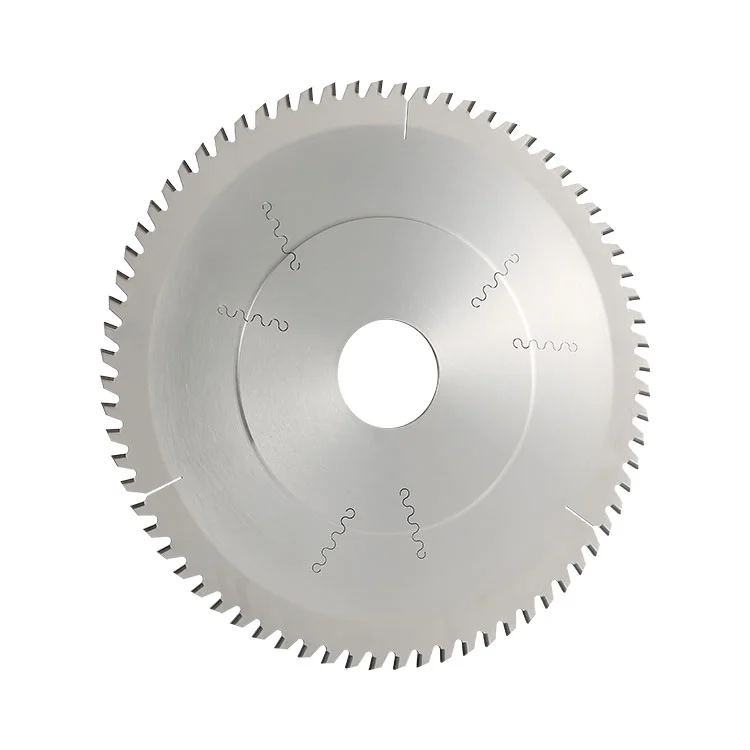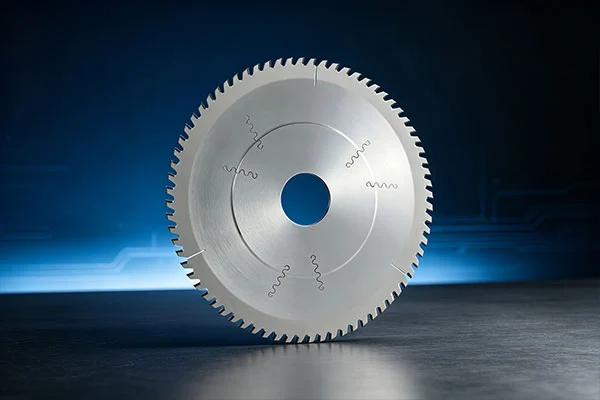

In the circuit board cutting process, burrs remaining after separation require additional trimming, which has long been a bottleneck affecting production efficiency. The emergence of diamond cutting and grinding blades has transformed this conventional workflow by combining cutting and edge grinding into a single operation, reducing handling steps and improving edge consistency at the same time.
Instead of separating the board first and finishing the edges in a second process, these blades allow cutting and edge grinding to be completed in one pass. This is particularly valuable for production lines that need stable edge quality, shorter cycle times, and fewer manual touch-ups.
How the Integrated Cutting and Grinding Blade Works
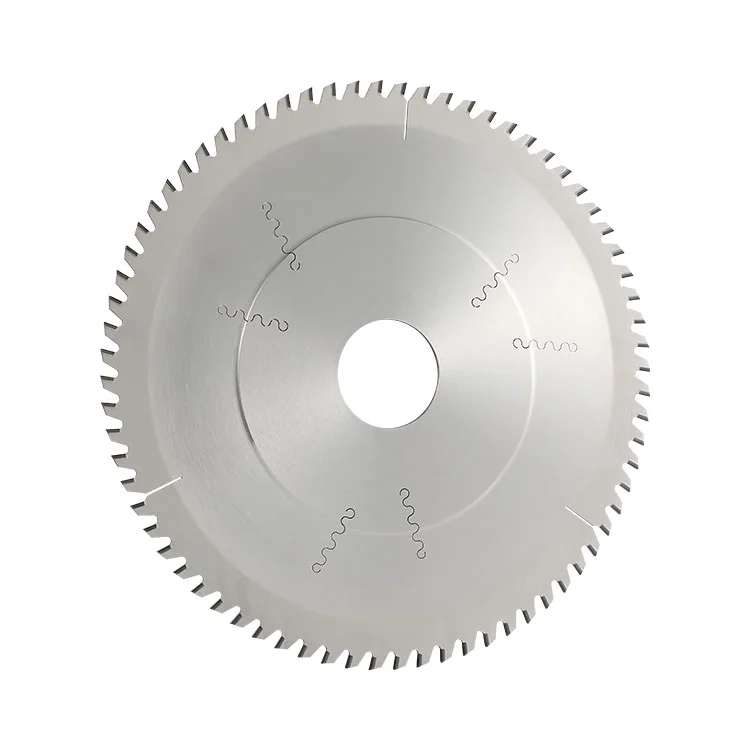
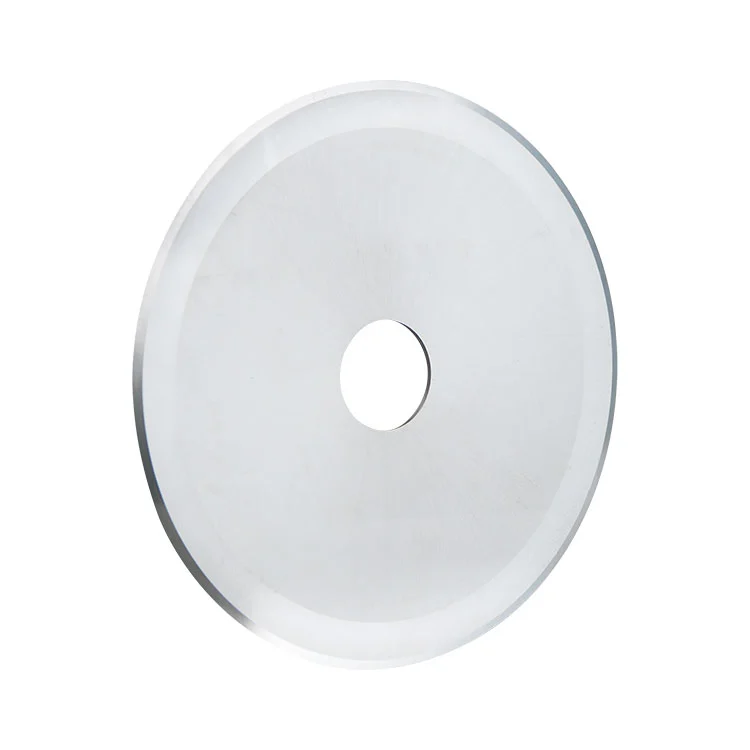
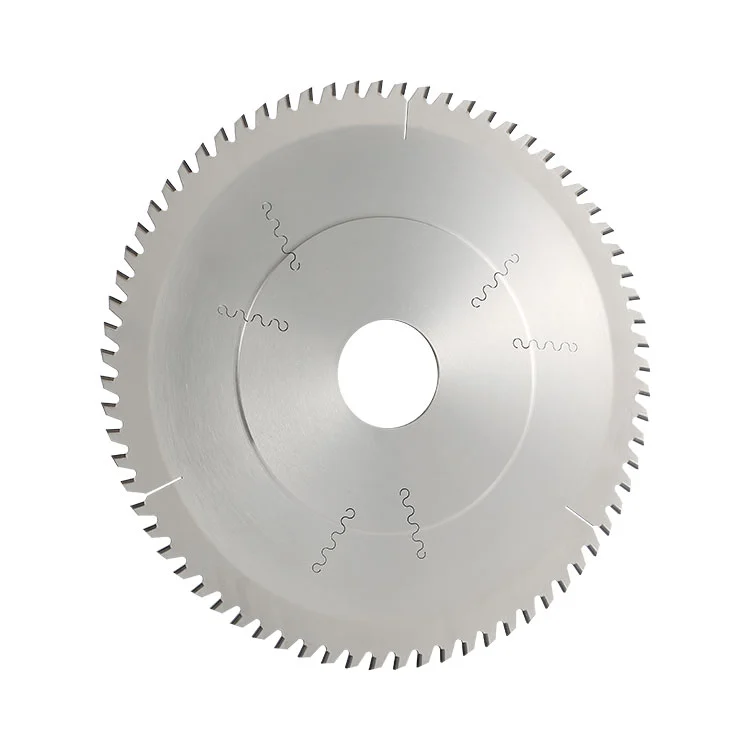
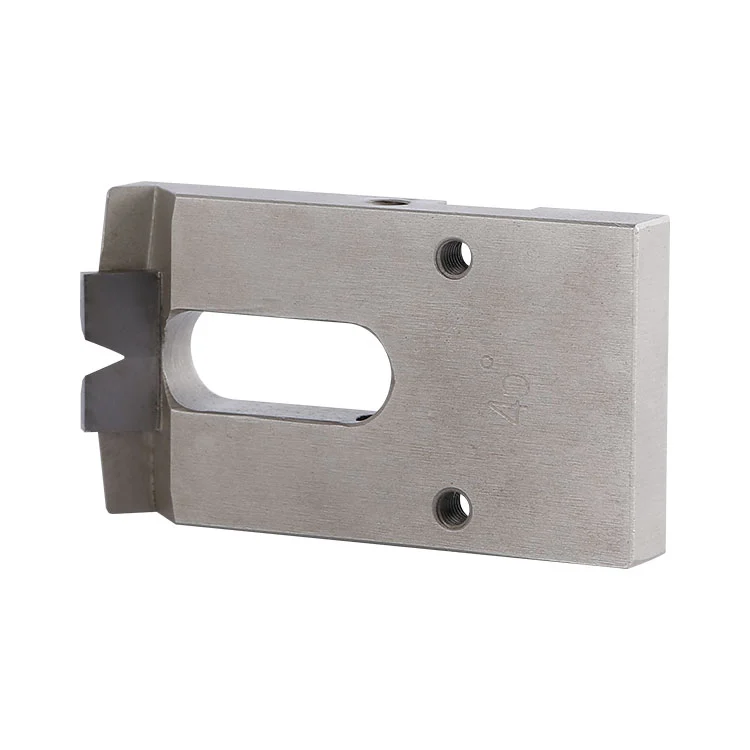
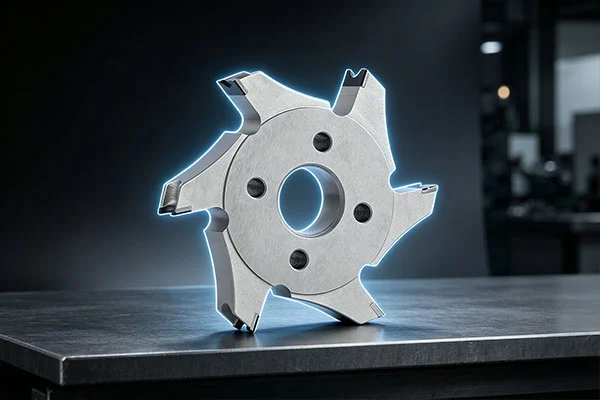
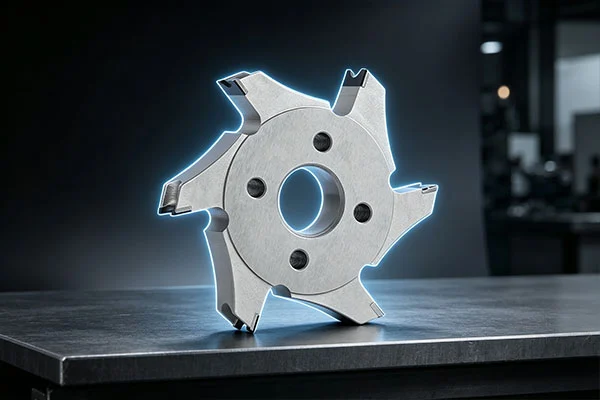
These tools typically operate as a set of four blades, installed at the upper-left, lower-left, upper-right, and lower-right positions of the cutting and grinding line. The blade body features alternating cutting teeth and grinding teeth, with the cutting teeth extending further in the radial direction than the grinding teeth. This structure allows the board to be trimmed while being cut, so the separated edge is finished in the same pass.
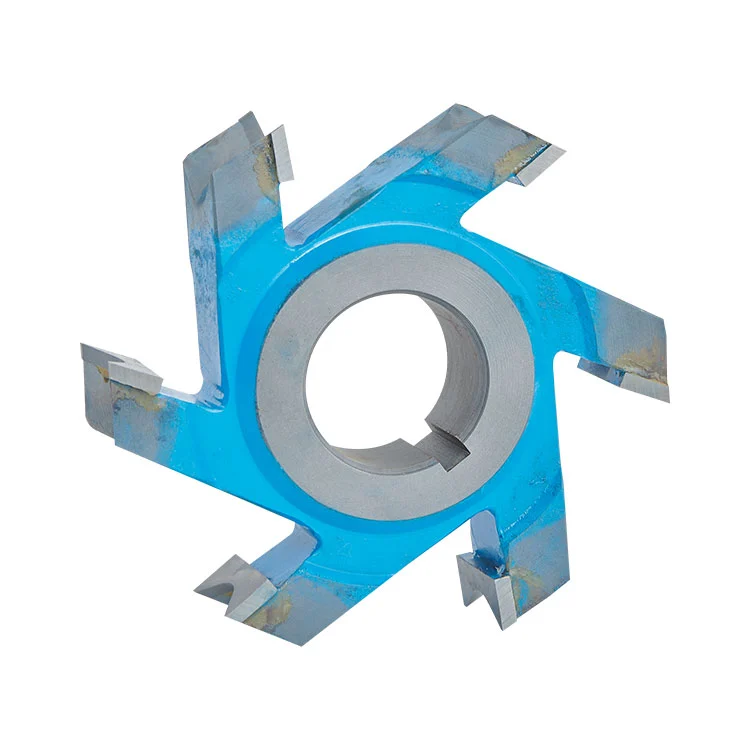
The processed board edges are burr-free and uniformly finished, ready for the next process step directly. For lines that also need corner radius control, this integrated approach can be combined with dedicated corner rounding tools such as those used in diamond corner rounding tools for PCB edge processing.
Material Range and Processable Thickness
The applicable range of board materials covers various circuit boards, copper-clad laminates, multilayer laminates, and aluminum-based boards, with processable thicknesses ranging from 0.2 mm to 9 mm. This range allows the same blade concept to be used across different board types and production requirements, reducing the need for frequent tool changes on mixed-product lines.
- Circuit boards: standard FR-4 and related board materials.
- Copper-clad laminates: suitable for cutting and edge finishing in one pass.
- Multilayer laminates: supports consistent edge quality on multilayer structures.
- Aluminum-based boards: applicable within the recommended thickness range.
- Processable thickness: approximately 0.2 mm to 9 mm, depending on material and line setup.
Tool Life and Regrinding
Under normal operating conditions, the blades can be reground more than five times, significantly extending the tool service cycle. Regrinding helps control long-term consumable costs and reduces downtime caused by frequent blade replacement. To maintain consistent cutting and grinding results, operators should check blade wear, clamping accuracy, and edge quality at regular intervals.
Why Integrated Cutting and Grinding Improves Line Efficiency
For circuit board manufacturers pursuing production line cycle time and processing consistency, the integrated cutting and grinding solution reduces board handling and secondary clamping, improving efficiency while also minimizing precision deviations caused by repeated positioning. This technical approach is being adopted by an increasing number of automated cutting and grinding lines.
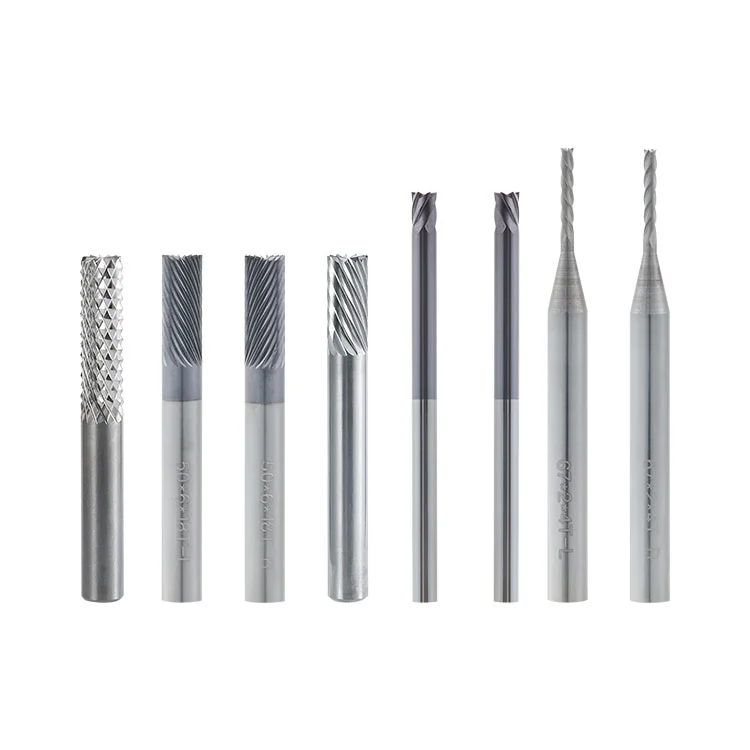
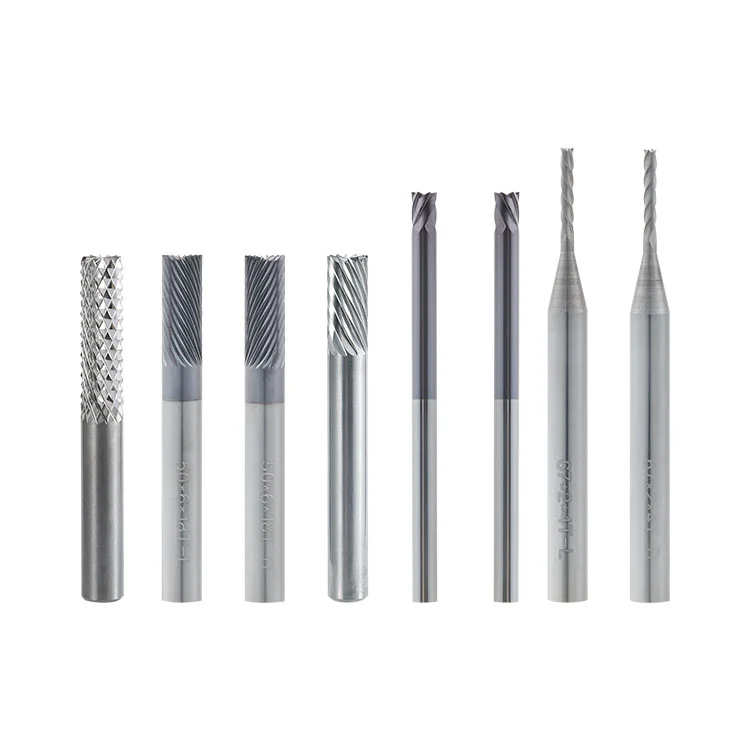
Compared with separate cutting and trimming steps, the integrated blade set helps shorten the process chain, reduce manual intervention, and maintain a more stable edge finish. For manufacturers comparing different tooling options, the full PCD cutting tools for PCB and carbide PCB cutting tools ranges provide additional choices for different board materials and edge requirements.
Where corner rounding or edge profiling is also required, related tools such as the carbide PCB corner rounding cutter can be reviewed alongside the integrated cutting and grinding blade set.
Need help selecting the right blade set for your cutting and grinding line?
Share your board material, thickness range, and line configuration, and we can help match the blade set and regrinding plan to your production requirements.