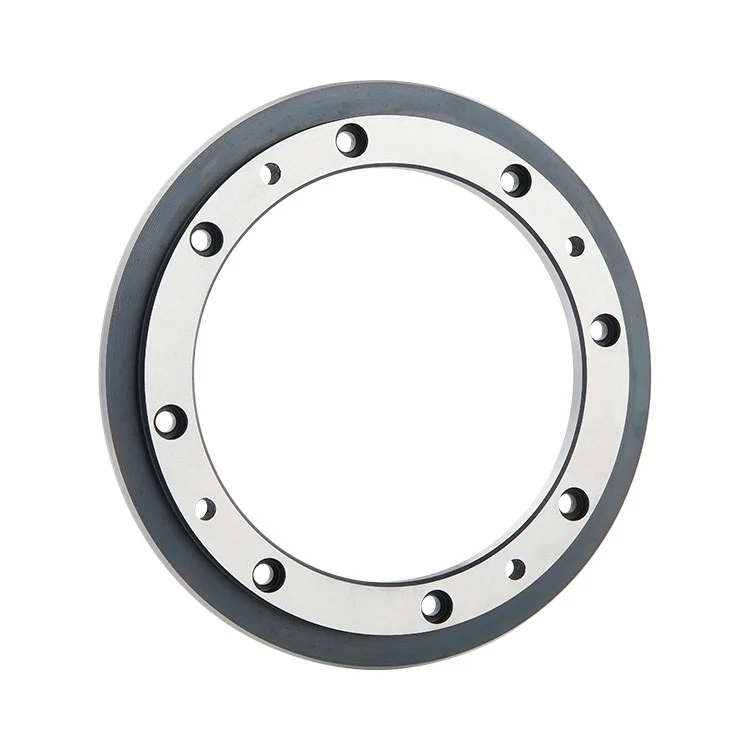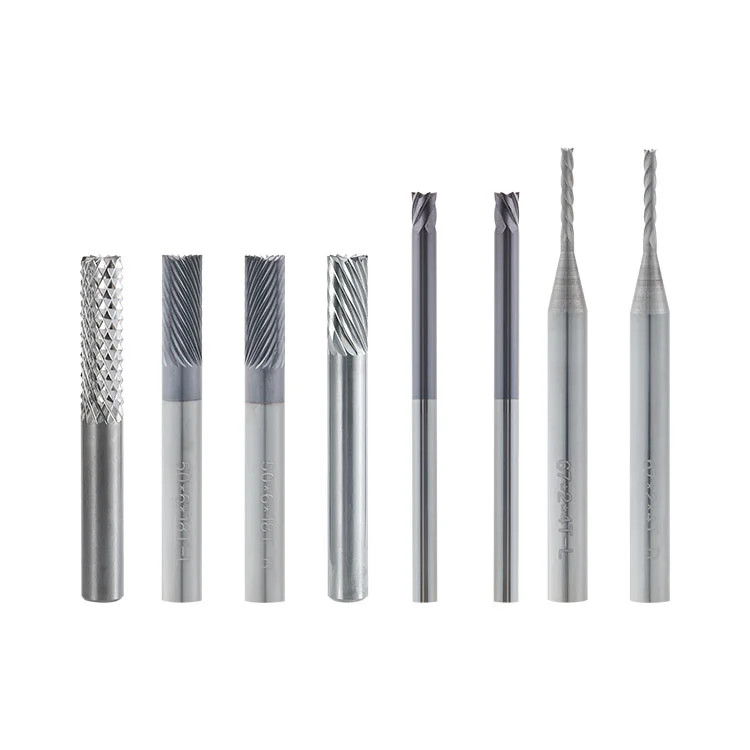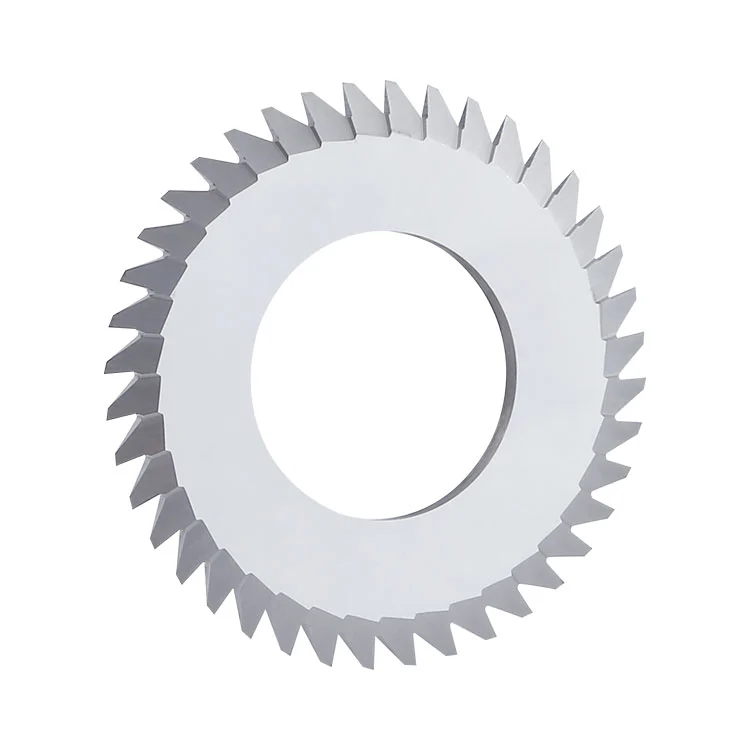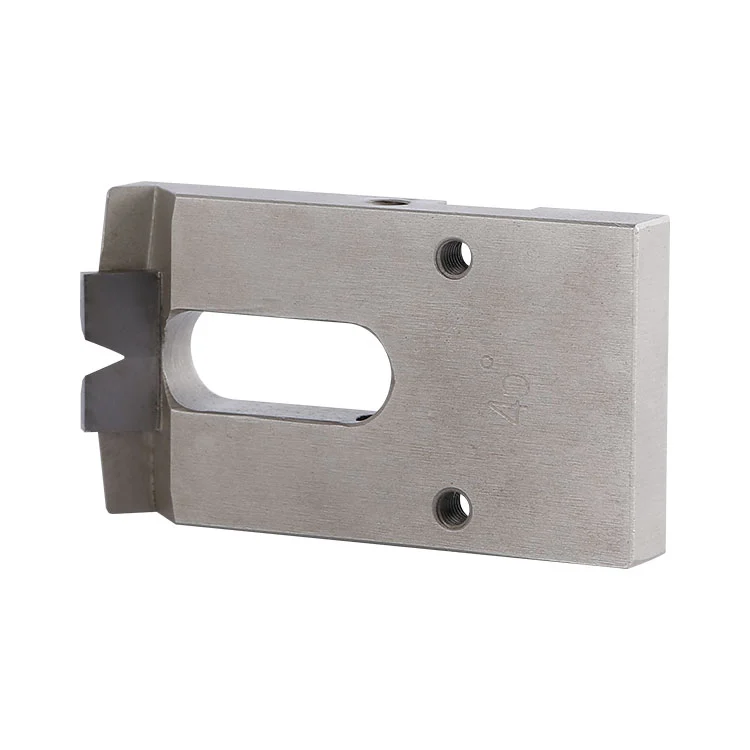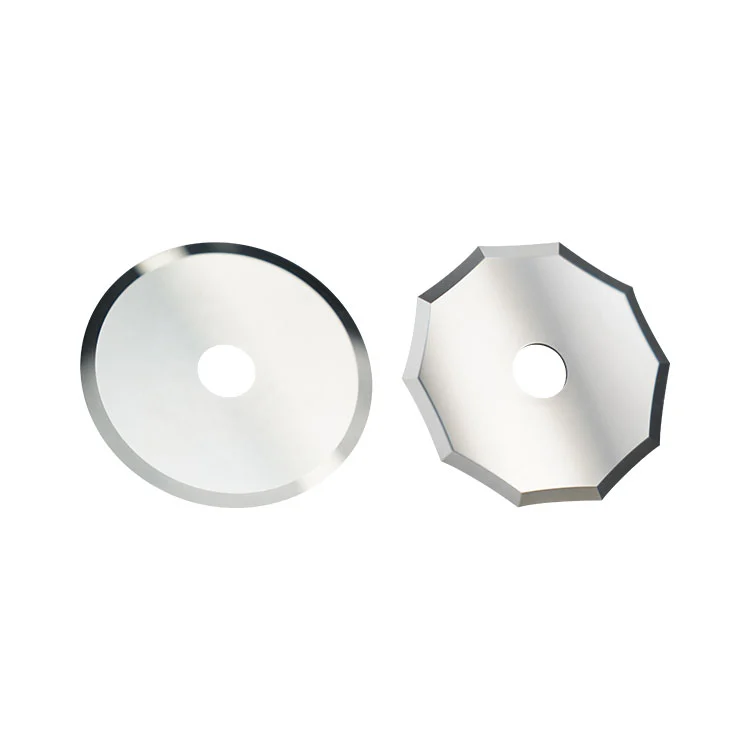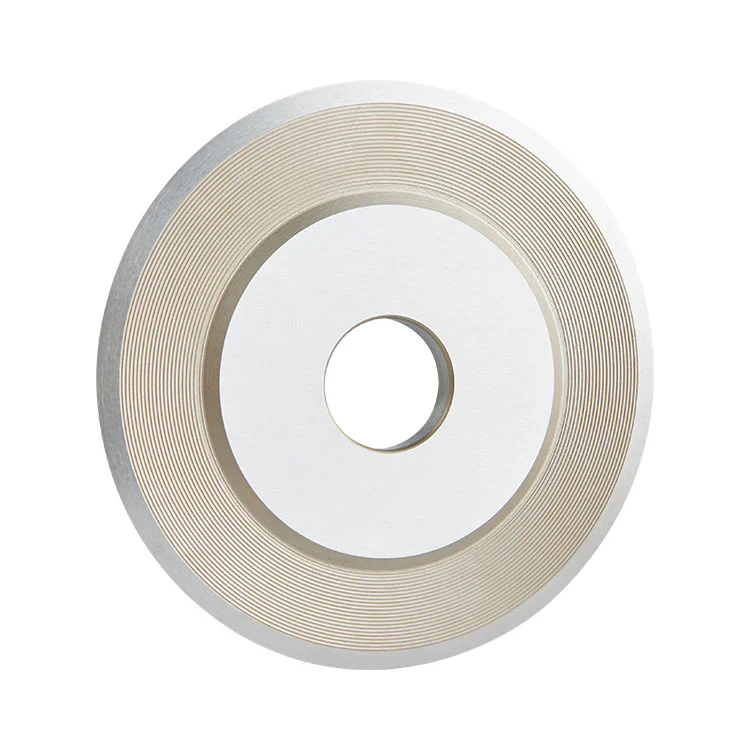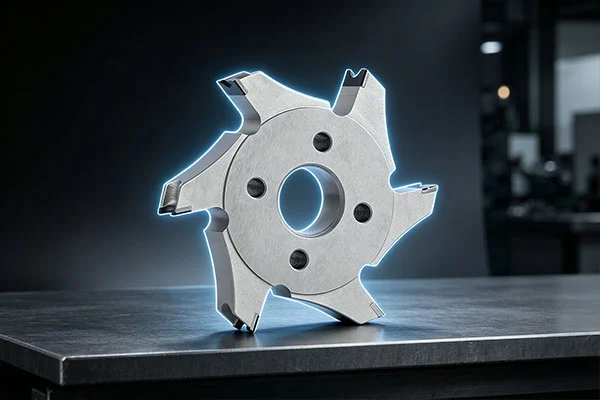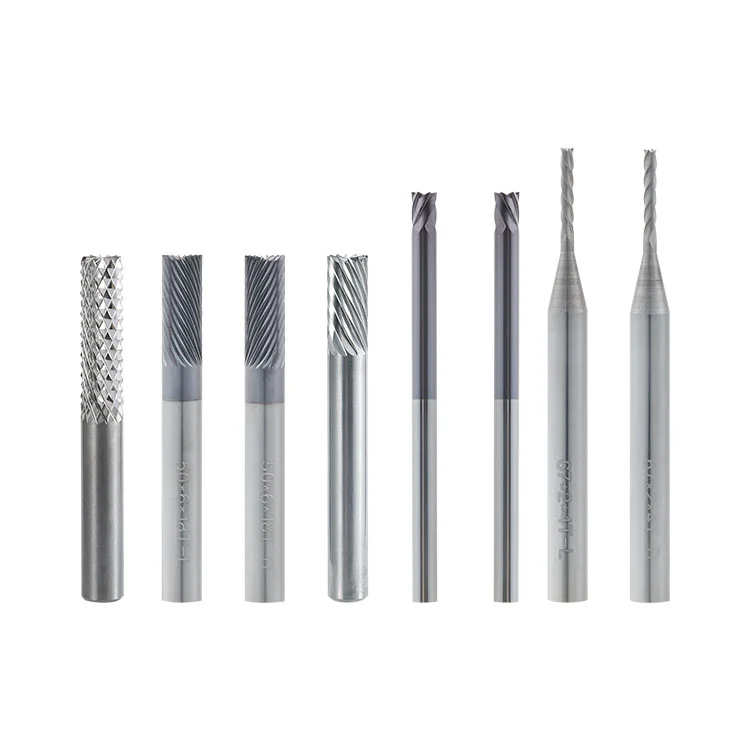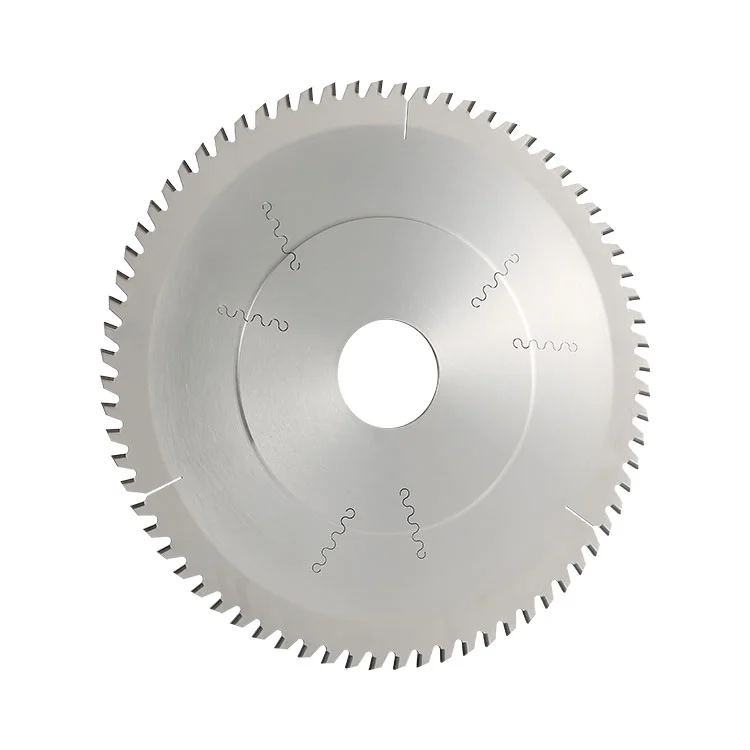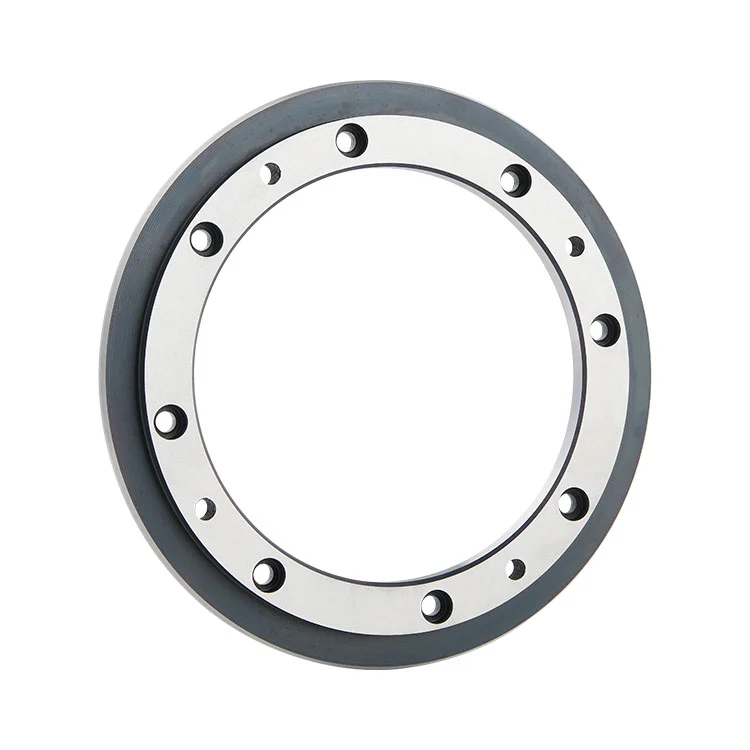

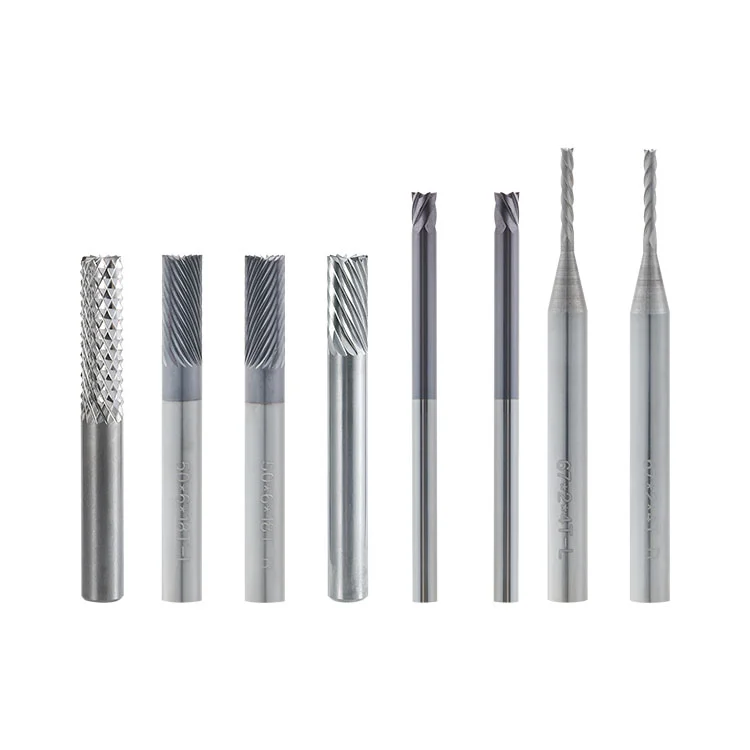
As a Professional Supplier, Winway offers the Carbide PCB Bevel Cutter.This solid carbide bevel cutter is specially designed for PCB gold-finger bevel processing. It adopts ultra-fine grain cemented carbide substrate, used for chamfering and bevel forming of PCB gold-finger. It solves common defects in gold-finger machining such as copper foil drawing, copper chipping, notch, whitening and burr. The cutting edge is nano-precision ground for sharp cutting performance. After machining, the edge of gold-finger is smooth and rounded, meeting plug-pull reliability and A-grade appearance standard. Compatible with PCB gold-finger beveling machine for large-volume continuous production, and it can be reground for repeated use for many times.
As a Professional Manufacturer, Winway offers the Carbide PCB Bevel Cutter.Solid carbide bevel cutter for gold-finger is a finishing tool for gold-finger process in PCB industry.It is used for bevel chamfering at PCB gold-finger contact position to facilitate connector plug-in and pull-out and prevent gold-finger edge from scratching mating terminals. Its tooth profile and cutting angle are optimized for composite structure of gold-plating layer, copper layer and FR4 substrate. It reduces damage of gold-plating layer and copper foil pulling fuzzing with high machining consistency, suitable for mass-volume production of gold-finger PCB boards.
Product Definition
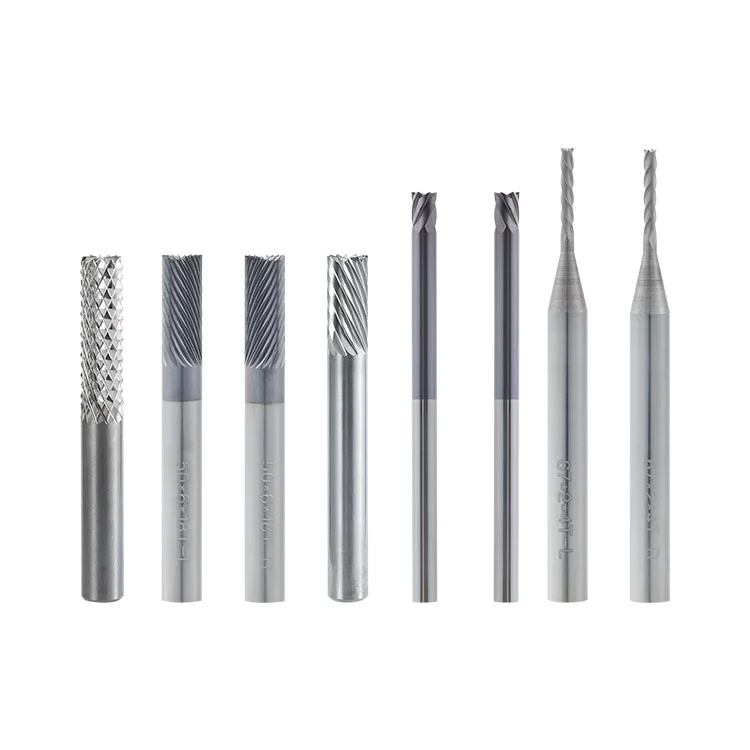
Solid carbide bevel cutter for gold-finger (Carbide PCB Bevel Cutter): Finishing cutting tool made of cemented carbide through sintering, precision CNC grinding and cutting-edge honing treatment. Specially used for bevel chamfering of PCB gold-finger position, it forms designated inclined plane on gold-finger edge to realize smooth plug-in and pull-out of connector.
Material Analysis
Base Material: Cemented carbide (tungsten steel) Adopt ultra-fine grain cemented carbide with optimized cobalt binder ratio. The Carbide PCB Bevel Cutter uses this material structure:
1.High hardness and excellent wear resistance, the edge is not easy to passivate rapidly during long-time cutting of gold-plated layer;
2.Balanced toughness, resist tooth chipping and edge breakage when machining gold-finger corners;
3.Good thermal stability, not easy to anneal under high-speed cutting, reduce board burning and gold-surface damage;
4.Dense material, the cutting edge can be ground to ultra-sharp status to lower pulling force on gold layer and copper layer.
Performance Test Results
1.Gold-finger Appearance Test: Machined gold-finger inclined plane is smooth, without gold-layer peeling, copper drawing, notch or glass-fiber whitening, complying with IPC standard and customer appearance acceptance requirement.
2.Service Life Test: Under same working condition, the special-tooth-profile carbide cutter for gold-finger has longer service life than ordinary bevel cutters, reducing tool-change frequency.
3.High-speed Stability: Compatible with regular rotating speed of gold-finger beveling machine, no obvious chatter marks in continuous machining and stable bevel angle.
4.Plug-pull Verification: The machined gold-finger inclined plane will not scratch connector terminals during plug-pull test with stable contact performance.
Core Advantages
1.Gold-finger plating protection: Special cutting-edge design with soft cutting performance, reduces gold-plating layer chipping and copper foil drawing;
2.Stable inclined-plane precision: Uniform bevel angle with good dimensional consistency and high finished-product yield;
3.Wear-resistant and durable: Cemented carbide substrate, suitable for large-volume continuous machining of PCB gold-finger;
4.Fine cutting edge for smooth finished edge without secondary manual polishing;
5.Can be returned to factory for re-grinding. The repaired old knives can be reused on-machine to reduce consumable costs.
6.Compatible with mainstream gold-finger beveling machines.
Specification Table (Common for Gold-finger)
Ordinal
Diameter(D)
Number of Teeth(P)
Shank Diameter(d)
Length(L1)
Total Length(L)
01
2
4
6
15
50/67
02
3
6
6
15
50/67
03
4
8
6
15
50/67
04
6
12
6
15
50/67
05
6.35
18
6.35
18
50/67
06
3.175
6
3.175
4.5
50
07
2
4
3.175
14
54
08
3.175
10
3.175
12
54
09
2
4
3.175
14
67
10
3.175
6
3.175
16
67
11
1.5
4
6
14
50
12
2
4
6
14
50
13
6
18
6
16
50
14
2
4
6
14
67
15
3
6
6
14
67
16
4
8
6
16
67
17
6
18
6
30
80
18
6
12
6.35
25
50
19
6.35
18
6.35
25
50
Application Scope
PCB factory: Bevel chamfering for gold-finger (core application);
Various PCB with gold-finger: Memory bar board, industrial control board, connector interface board, display driver board, etc;
Secondary bevel finishing for reworked gold-finger boards.
Quality Inspection Control Standard
1.Raw material: Hardness and grain size sampling inspection for cemented carbide substrate;
2.Dimensional tolerance: Tolerance of outer diameter, length, tooth count and bevel angle ±0.01mm;
3.Full visual inspection of cutting edge: No chipping, notch or grinding scratch;
4.Dynamic balance correction, no run-out during high-speed rotation;
5.Machining trial-cut verification: Gold-finger trial cutting, confirm no gold peeling or drawing defects;
6.Full inspection for finished goods plus re-inspection before delivery.
Sample Test Process
1.Customer confirms specification of cemented carbide gold-finger bevel cutter;
4.Mass supply after sample approval; small-batch trial is available.
After-sales Support
1.Replace for factory quality defects (exclude dry-burning and man-made impact damage);
2.Re-grinding service is available after tool wear;
3.Provide machining parameter guidance, assist to solve machining abnormalities such as gold peeling and drawing;
4.Fast customization for non-standard specifications.
Non-applicable Working Conditions
1.Not for cutting thick solid metal, stainless steel workpieces; carbide edge is easy to chip when processing hard metal.
2.Workpieces mixed with massive hard metallic impurities or coarse hard particles, which will bring impact damage to cutting edge.
3.Excessive single-pass cutting depth will lead to edge chipping and substrate deformation.
4.Equipment without effective dust-collection system; accumulated glass-fiber dust will accelerate cutting-edge wear and scratch gold-finger surface.
5.Machining under condition of large spindle run-out or loose fixture; vibration will easily cause carbide edge chipping.
6.Long-time heavy-load dry-cutting without heat dissipation will cause tool thermal annealing and sharp-ness dropping.
Common Selection Misunderstandings
1.❌ Misunderstanding: More teeth always bring better machining quality Correction: Excessive tooth quantity increases cutting load for thin gold-plated layer. Choose proper tooth count matching board thickness and gold-finger width, too many teeth may cause gold-layer flaking.
2.❌ Misunderstanding: Same cutter can be shared for different bevel angles Correction: Tool tooth form and relief angle are designed for fixed bevel angle. Do not achieve different angle only by adjusting machine parameter, it will result in poor surface and gold peeling.
3.❌ Misunderstanding: New tool must run at maximum feed speed Correction: New sharp cutter shall adopt moderate feed-in for run-in processing. Aggressive parameters in initial use easily tear thin gold-plating coating.
Machine-operation Prohibitions
1.Do not start cutting under excessive spindle run-out, dirty or worn collet; vibration will cause carbide edge chipping.
2.Forbid tool collision or starting spindle with unclamped workpiece.
3.Dust-collection system must be enabled; dust will abrade cutting edge and scratch gold-plated surface.
4.Forbid emergency stop and sharp feed-direction change under high-speed rotation.
5.Do not exceed recommended single-pass cutting depth.
6.Prevent tool dropping and hard impact. Carbide is brittle, slight impact will produce invisible micro-cracks.
1.Storage: Store individually in special tool-box with cutting-edge protection. No stacking or bare-placed, avoid collision impact.
2.Before operation: Visual check cutting-edge for chipping or crack; clean collet dust; inspect spindle run-out.
3.During machining: Keep dust-collection / air-blowing system working continuously. Periodically inspect bevel surface quality, monitor cutting-edge wear and shank deformation.
4.After machining: Blow away chips and dust with low-pressure air-gun, do not scratch carbide edge with hard objects; inspect edge for micro-chipping.
5.Handling: Only hold the shank part, do not touch sharp cutting tip; prevent dropping to avoid bent shank and tool scrap.
FAQ
Q1: What causes gold-layer peeling during gold-finger machining?
A1: It may be caused by passivated cutting edge, excessive feed speed, mismatched tool tooth profile or improper rotating speed. Adopt special bevel cutter for gold-finger and optimize cutting parameters.
Q2: What leads to copper drawing and burr on gold-finger inclined plane?
A2: Insufficient sharpness or wear of cutting edge. Insufficient fine grinding of carbide cutting-edge will pull copper foil. It is required to select version with finely finished cutting-edge.
Q3: Can this cutter be reground repeatedly?
A3: Yes. Cemented carbide material allows multiple re-grinding. After repair, its cutting performance is close to that of a new tool, which saves costs. The Carbide PCB Bevel Cutter can be reground for repeated use.
Send your inquiry for PCD PCB cutting tools, carbide PCB V-cut tools, and PCB V-grooving tools to Dongguan Weicheng Electronic Co., Ltd. Leave your email and tell us your board material, equipment, and tool specifications, and we will reply within 24 hours with a factory-direct quote, free sample options, and custom tool recommendations. Contact us to start your order.
We use cookies to offer you a better browsing experience, analyze site traffic and personalize content. By using this site, you agree to our use of cookies. Privacy Policy