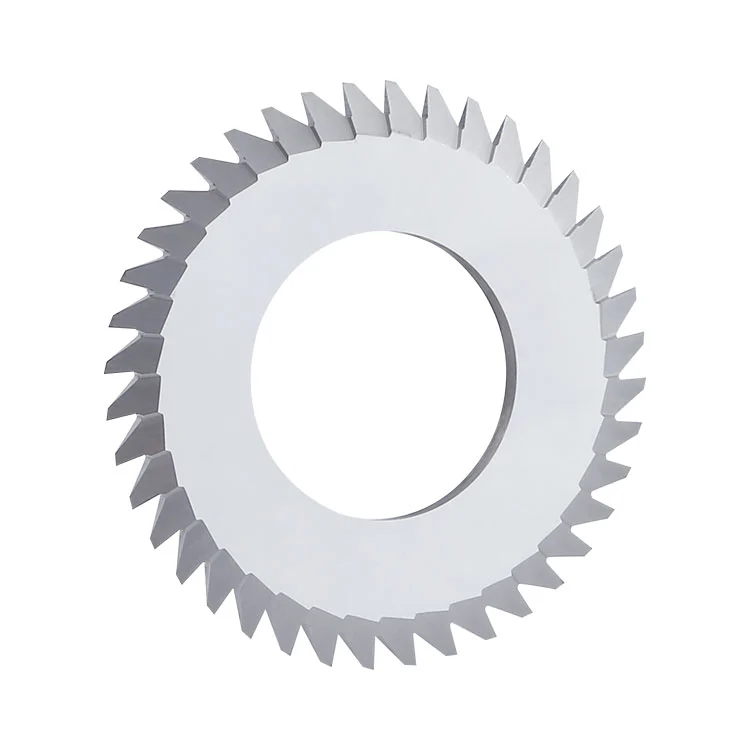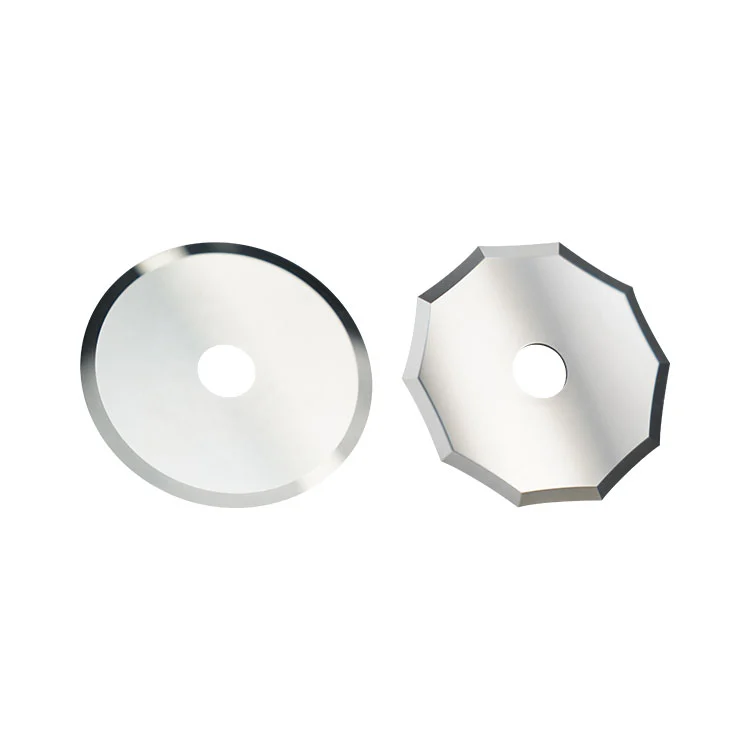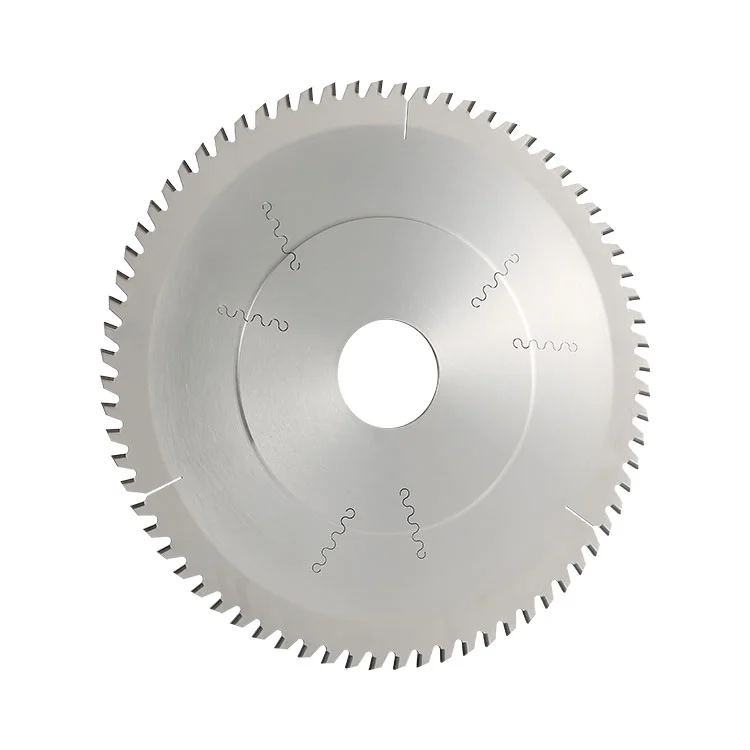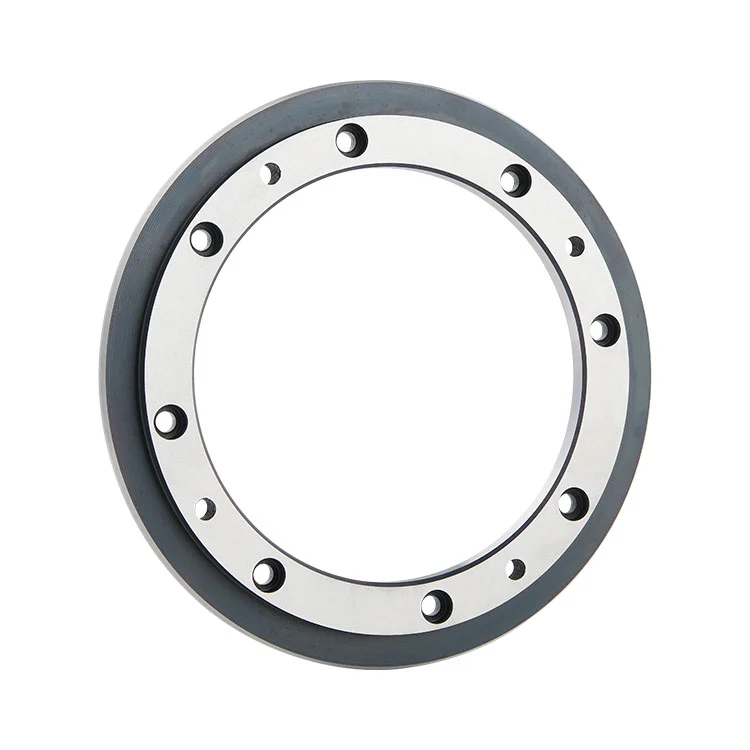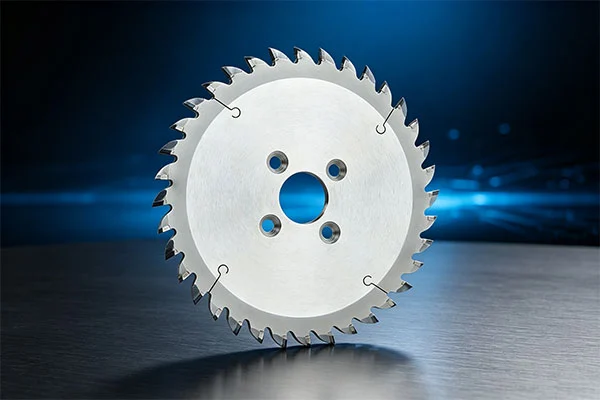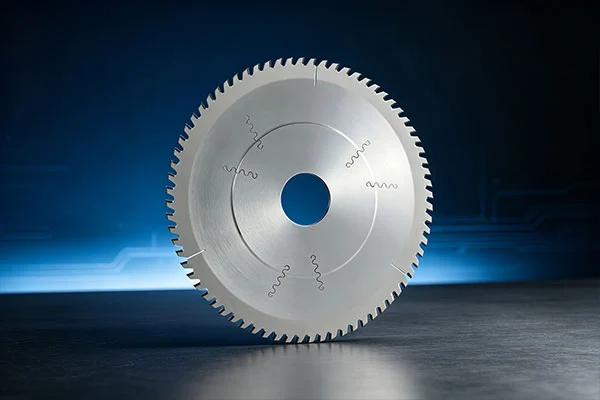
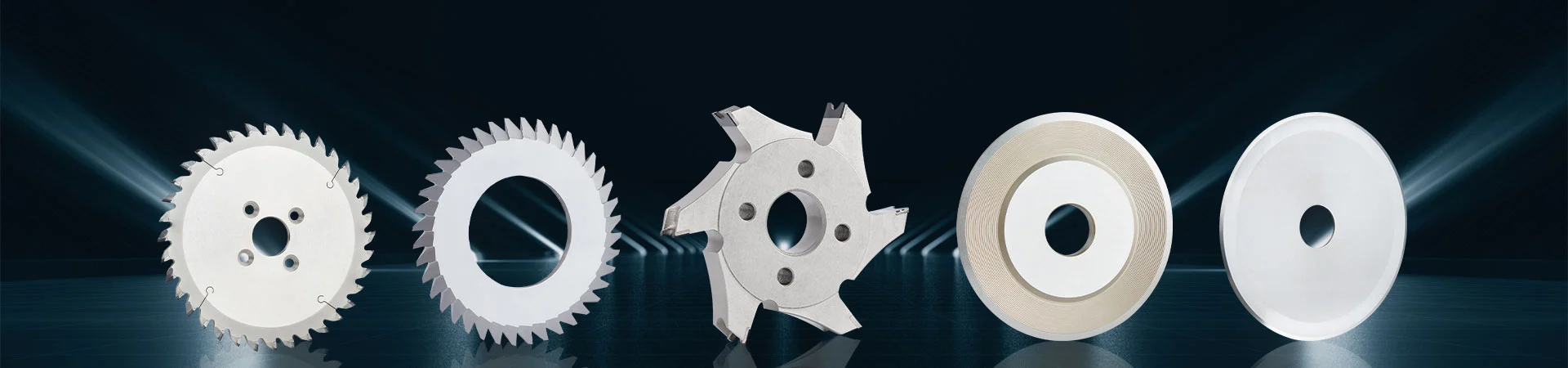
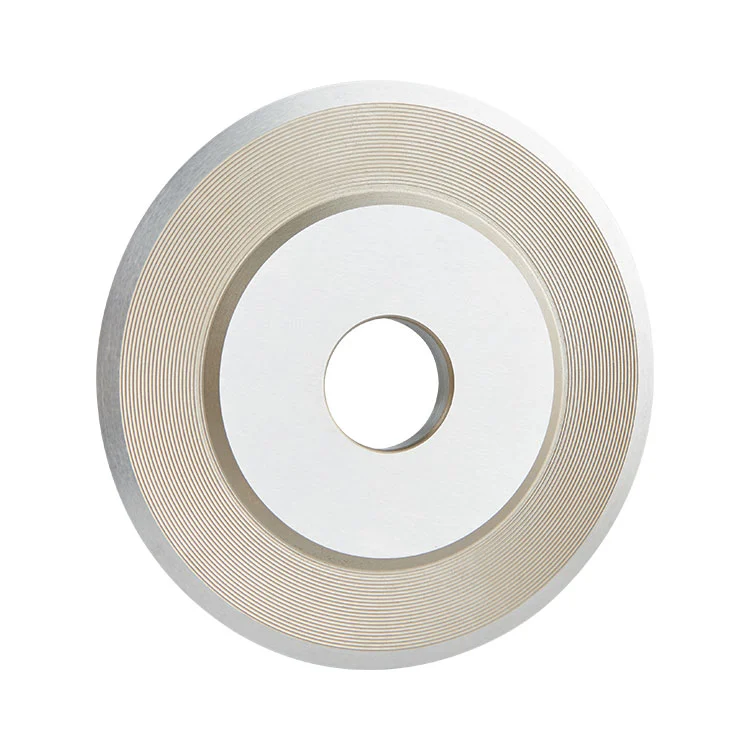
As a China Manufacturer, Winway offers the Carbide PCB PP Circular Cutter, a disc-type rotary slitting tool designed for cutting PP plastic film and sheets. Made from SKD11 high-chromium cold-work tool steel, this circular cutter features a sharp cutting edge, good toughness and stable cutting performance. It produces neat cuts with reduced stringing and material sticking during PP slitting. Available with two inner-hole sizes and two thickness options, it can match different slitting equipment and support continuous production of soft PP materials.
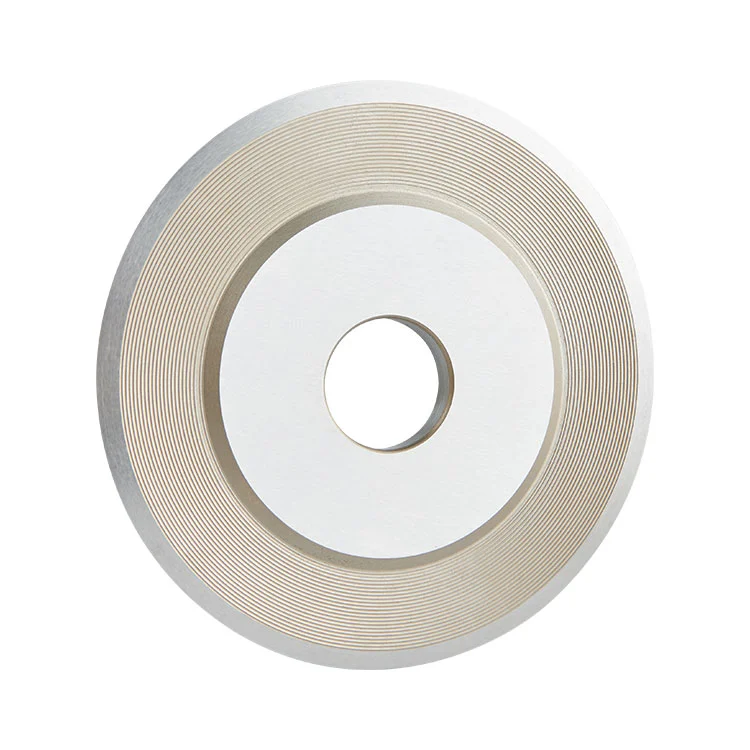
The Carbide PCB PP Circular Cutter is a disc-shaped rotary slitting tool used for cutting and strip-slitting PP plastic materials. During operation, the circular blade rotates with the slitting equipment, and its cutting edge separates PP film or sheets into the required strips. This cutting method supports continuous material processing and helps maintain consistent cutting results.
The cutter has a unified outer diameter of φ76 mm, with two inner-hole options of 17 mm and 22 mm. Available thicknesses are 2.5 mm and 5 mm. These specifications allow the blade to match different equipment shaft sizes and slitting requirements. The cutting edge is optimized for soft PP materials to help reduce material sticking and stringing during processing.
Tool body material: SKD11 high-chromium cold-work tool steel. SKD11 contains high levels of carbon and chromium, together with alloying elements such as molybdenum and vanadium. After quenching and tempering heat treatment, the material can achieve high hardness, good wear resistance and resistance to chipping.
For circular slitting tools, dimensional stability after heat treatment is important because the outer diameter, inner hole and blade thickness need to match the slitting equipment. SKD11 offers relatively low dimensional deformation after heat treatment, making it suitable for precision slitting blade production.
Compared with cemented carbide, SKD11 has better toughness and is less prone to edge chipping when cutting soft plastic materials that may contain small foreign particles. The material selection is intended to balance cutting-edge durability and impact resistance under normal PP slitting conditions.
Material clarification: The actual blade material is SKD11 tool steel, not tungsten steel or cemented carbide. The product keyword is retained for page targeting, while the material description reflects the supplied product specifications.
Cutting sharpness: The cutting edge is designed for soft PP film and sheet materials. A properly maintained edge helps produce clean cuts and reduce stringing or burrs along the cut edges.
Edge wear resistance: SKD11 provides good wear resistance after heat treatment. Under standard continuous slitting conditions for soft PP materials, the cutting edge is designed to maintain relatively uniform wear.
Impact resistance: The toughness of SKD11 helps the blade resist chipping and cracking under normal slitting loads. It can also tolerate minor impacts during regular operation, although tool collisions and incorrect handling should be avoided.
Dimensional stability: The outer diameter, inner-hole size and thickness are controlled during machining and inspection. Proper dimensional accuracy and clamping help maintain low rotary run-out during operation.
SKD11 tool steel construction: High hardness and good toughness provide a balance of wear resistance and edge-chipping resistance when processing soft PP materials.
Optimized cutting edge: The precisely ground edge helps reduce material sticking and supports neat slitting results with less stringing.
Two inner-hole options: The 17 mm and 22 mm inner-hole sizes correspond to different slitting machine shaft diameters, allowing equipment-compatible selection.
Flexible thickness options: The 2.5 mm and 5 mm thickness options provide choices for different PP film and sheet slitting requirements.
Stable blade dimensions: Controlled outer diameter, inner-hole size and thickness help the circular blade fit the equipment and maintain stable rotation after clamping.
Re-grinding support: The SKD11 blade can be re-ground when the cutting edge becomes dull, allowing repeated use and helping reduce tool replacement frequency.
The Carbide PCB PP Circular Cutter is available in two standard inner-hole specifications. Both options share a 76 mm outer diameter and support 2.5 mm or 5 mm blade thickness. Confirm the shaft diameter of the slitting equipment before selecting a specification.
| Ordinal | Outer Diameter D (mm) | Inner Hole d (mm) | Thickness b (mm) | Applicable Material |
| 01 | 76 | 17 | 2.5 / 5 | PP material |
| 02 | 76 | 22 | 2.5 / 5 | PP material |
PP plastic film slitting: Used for continuous slitting and strip-cutting of soft PP film into narrower widths.
PP sheet and plate cutting: Suitable for slitting PP sheets and plates within the applicable processing conditions.
Plastic packaging materials: Used in cutting and slitting processes for PP packaging film and related plastic materials.
PP insulating auxiliary materials: Suitable for slitting PP insulating materials used in supporting production processes.
PCB supporting materials: Can be used for slitting PP prepreg materials in PCB-related supporting production.
Raw material inspection: SKD11 blanks are sampled and checked for material condition and hardness to confirm suitability for further processing.
Machining control: The outer diameter, inner-hole size and blade thickness are inspected to ensure dimensional consistency with the specified requirements.
Cutting-edge inspection: The cutting edge is checked under a microscope for notches, chipping and other visible defects that may affect cutting quality.
Run-out inspection: Radial and end-face run-out are checked on finished blades to evaluate dimensional accuracy and rotation stability.
Appearance inspection: Finished products are checked for cracks, sand holes and collision damage. Product specifications are also marked clearly for identification.
1. Requirement confirmation: The customer provides slitting equipment parameters, PP material specifications and processing requirements.
2. Specification selection: The suitable inner-hole size and blade thickness are confirmed according to the equipment shaft diameter and material requirements.
3. Sample production: Trial-production blades are arranged according to the confirmed specifications.
4. On-machine testing: The customer tests the samples on the actual slitting equipment and evaluates the cutting results.
5. Feedback and adjustment: Feedback on cut quality and tool service life is collected. The cutting edge can be adjusted if necessary.
6. Mass production: Regular supply can proceed after the trial sample passes the customer's evaluation.
Finished blades undergo inspection before delivery. Return or exchange arrangements can be negotiated for manufacturing defects not caused by human factors.
Technical support is available for blade re-grinding and on-machine processing questions, helping customers address cutting-edge maintenance and equipment application issues.
Damage caused by tool collision, incorrect clamping or operation beyond applicable working conditions is not covered under warranty.
A: The actual blade material is SKD11 high-chromium cold-work tool steel. After heat treatment, it provides good hardness, wear resistance and toughness for PP material slitting. It is not made of tungsten steel or cemented carbide.
A: It is optimized for soft PP plastic film and sheets. It can also be used for some other soft film materials, depending on their properties and processing conditions. It is not suitable for hard materials such as glass-fiber boards or metal.
A: Yes. SKD11 supports repeated re-grinding when the cutting edge becomes dull. The blade can be reconditioned for reuse, subject to its remaining dimensions and edge condition.
A: The two inner-hole sizes are designed to match different slitting machine shaft diameters. Check the shaft diameter of your equipment before ordering to ensure proper blade installation.
A: Stringing may be caused by a worn or blunt cutting edge, or by mismatched equipment tension and rotating speed. Check the blade condition first, then adjust the processing parameters according to the material and equipment requirements.
A: The standard thickness options for the Carbide PCB PP Circular Cutter are 2.5 mm and 5 mm. The appropriate option should be selected according to the slitting equipment and the PP material being processed.
A: Please provide the slitting machine shaft diameter, required blade thickness, PP material specifications and processing requirements. This information helps confirm a suitable blade specification for trial production.
A: Check whether the blade is correctly clamped, whether the cutting edge is worn or damaged, and whether the equipment tension and rotating speed match the PP material. Also check blade run-out and confirm that the selected inner-hole size matches the machine shaft.
Address
Building 17, Yonglida Tiansheng Industrial Park, No. 50 Gangkou Avenue, Wanjiang District, Dongguan City, Guangdong Province, China
Tel