
In the printed circuit board manufacturing process, substrate cutting is the primary step that determines the quality of subsequent processing. As the core tool in the cutting process, diamond cutting blades continue to drive improvements in cutting precision and production efficiency. At Winway (Dongguan Weicheng Electronic Co., Ltd.), we focus on practical cutting solutions that help board manufacturers achieve stable edges, longer tool life, and smoother production flow.
- 3000 m+Cutting life on standard FR4
- 4+Regrinding cycles supported
- FR4 / High-TGHalogen-free and aluminum boards
- High-speedCompatible spindle operation

Overview: Why the Cutting Step Matters
Substrate cutting sets the starting point for every downstream process, including drilling, routing, lamination, and assembly. If the cut edge is rough or the cutting width drifts, downstream trimming and rework increase. Diamond cutting blades are designed to make this first step more stable, so that the board enters the next process with a clean, flat edge and consistent dimensions.
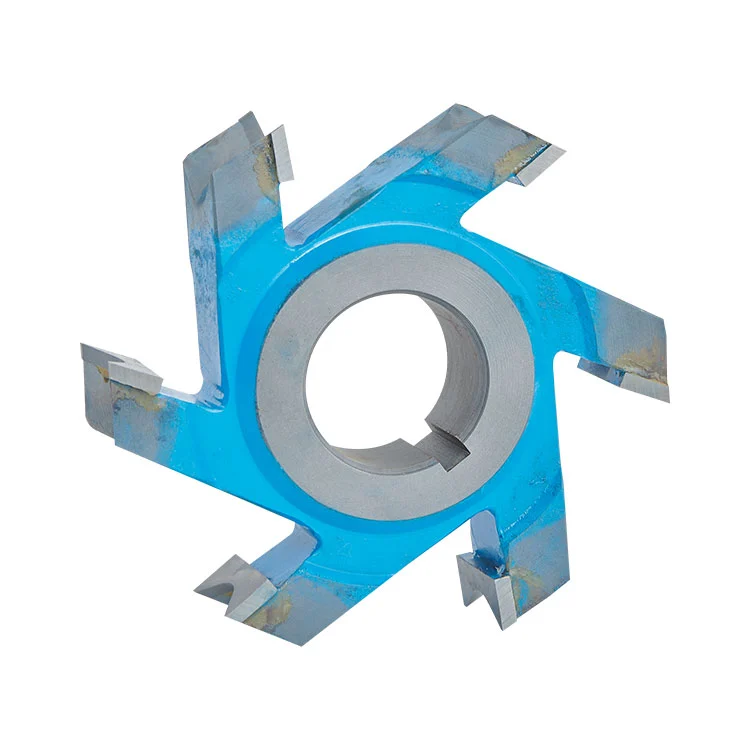
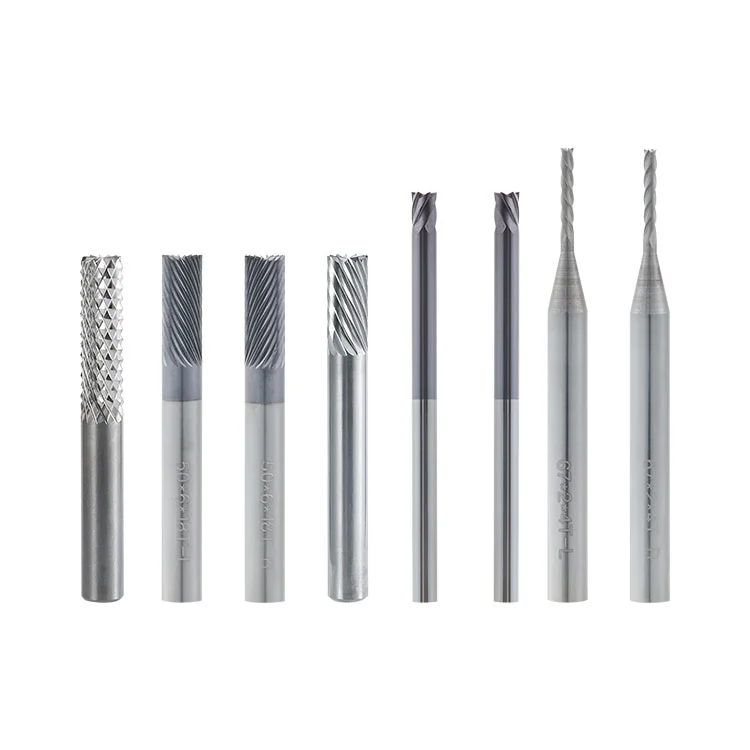
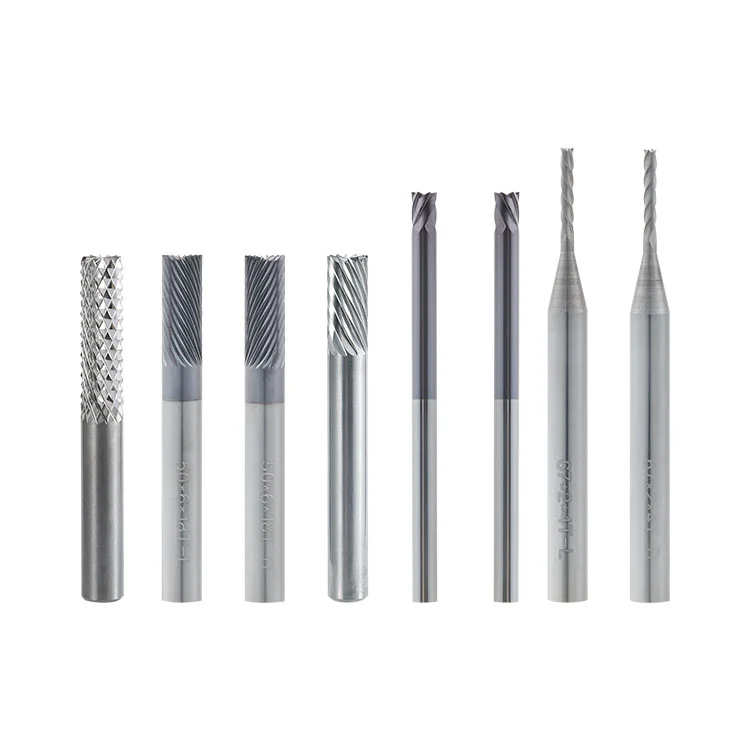
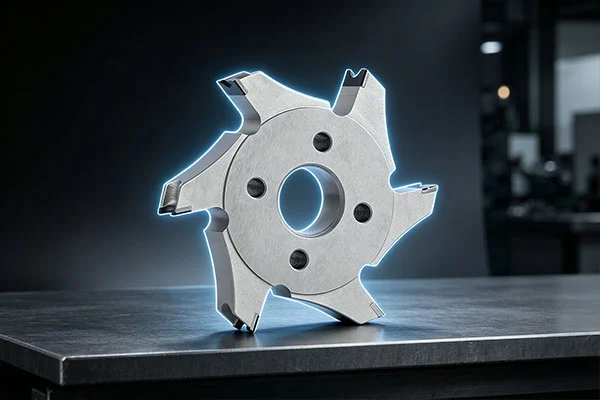
The goal is straightforward: cut faster, keep the edge smooth, and reduce the extra work that comes after separation. For board manufacturers comparing tooling options, the carbide PCB cutting tools range provides a useful reference alongside diamond blades for different material and cost requirements.
Blade Structure and Material Combination
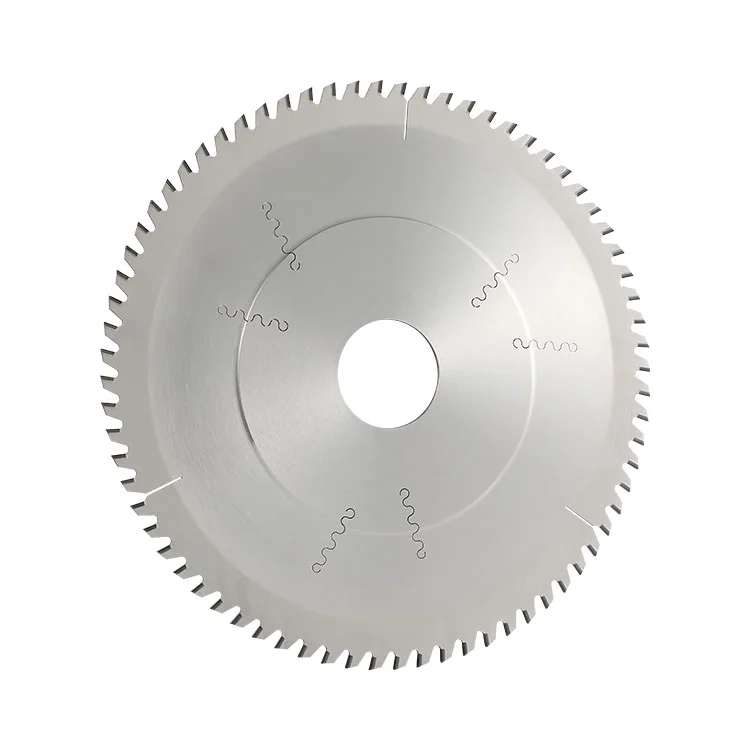
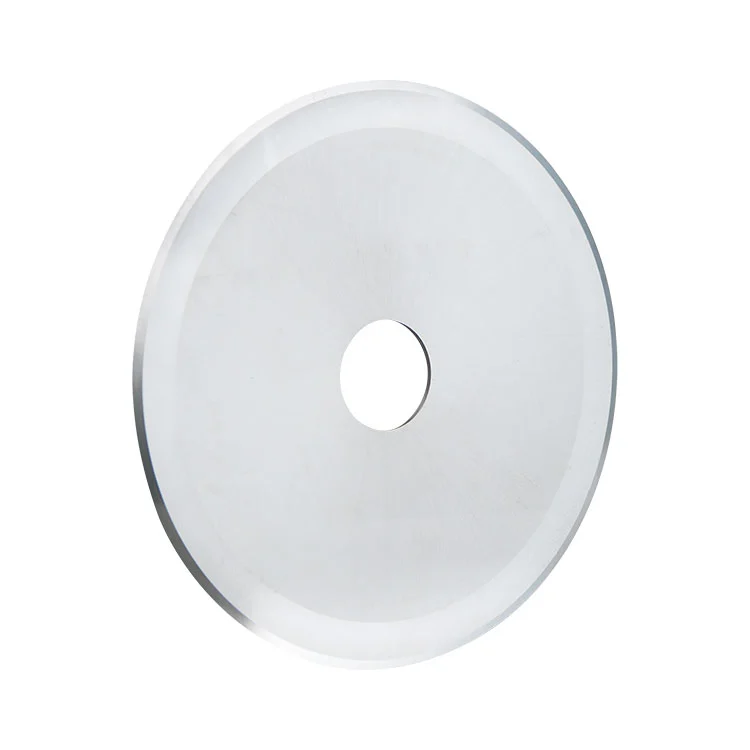
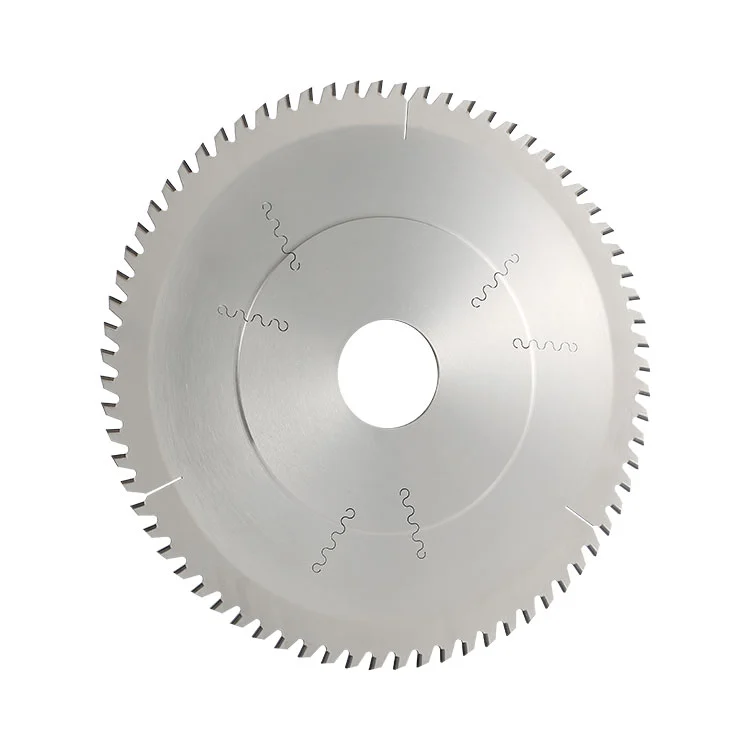
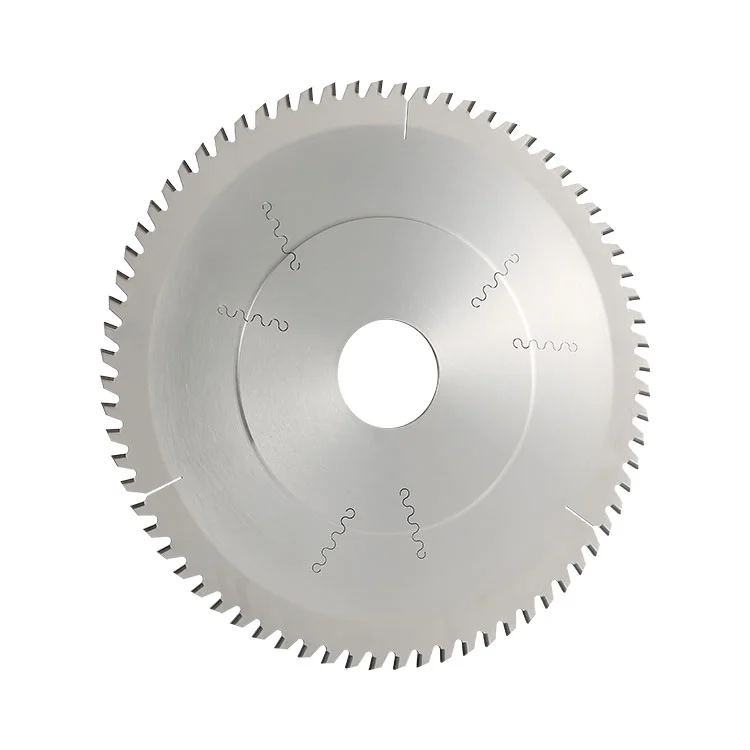
The teeth of such tools are made of diamond composite segments welded onto a spring steel body, combining the extreme hardness of diamond with the structural strength of the blade body. This combination allows the cutting edge to stay sharp while the body absorbs the mechanical load of high-speed operation.
For various materials including FR4, high-TG boards, halogen-free substrates, and aluminum-based boards, diamond cutting blades achieve high-speed cutting with smooth, flat edges, effectively reducing the burden of subsequent trimming processes. Under normal operating conditions, the cutting life for standard FR4 copper-clad laminates can exceed three thousand meters.
Cutting Performance Across Board Materials
Different board materials place different demands on the cutting edge. FR4 and high-TG boards are abrasive, halogen-free substrates can be tougher on the blade body, and aluminum-based boards require controlled cutting force to avoid deformation. The diamond composite segment helps maintain a stable cutting action across these materials.
- FR4: stable cutting width and long service life under normal conditions.
- High-TG boards: maintains edge quality during continuous high-speed cutting.
- Halogen-free substrates: reduces edge chipping and burr formation.
- Aluminum-based boards: supports clean separation with controlled cutting force.
Wear Resistance and Dimensional Stability
As electronic products evolve toward higher density and multilayer configurations, the use of thick copper boards and multilayer laminates has become increasingly widespread, placing higher demands on the wear resistance and dimensional stability of cutting tools.
With their outstanding abrasion resistance, diamond cutting blades maintain stable cutting widths during prolonged continuous operation, reducing downtime caused by frequent tool changes. The blades support multiple regrinding cycles, further lowering the overall cost per cut.
For related edge quality topics, see Diamond Cutting Blades Enhance PCB Substrate Cutting Precision and Efficiency, which discusses how blade design and process control work together in substrate cutting.
Automation Compatibility and Long-Term Cost
Against the backdrop of increasingly widespread automated cutting equipment, the compatibility between diamond cutting blades and high-speed spindles continues to improve, providing circuit board manufacturers with a cutting solution that combines both economy and reliability.
Summary
Diamond cutting blades combine diamond hardness with a spring steel body to deliver stable cutting width, smooth edges, and multiple regrinding cycles across FR4, high-TG, halogen-free, and aluminum-based boards. For manufacturers focused on cutting precision and production efficiency, the blade is a practical component in the overall PCB substrate cutting process.
Need help selecting a diamond cutting blade for your substrate line?
Share your board material, thickness, and equipment details, and we can help match the blade specification and regrinding plan to your production requirements.