Products
Carbide PCB Corner Rounding Cutter
  • Carbide PCB Corner Rounding CutterCarbide PCB Corner Rounding Cutter

Carbide PCB Corner Rounding Cutter

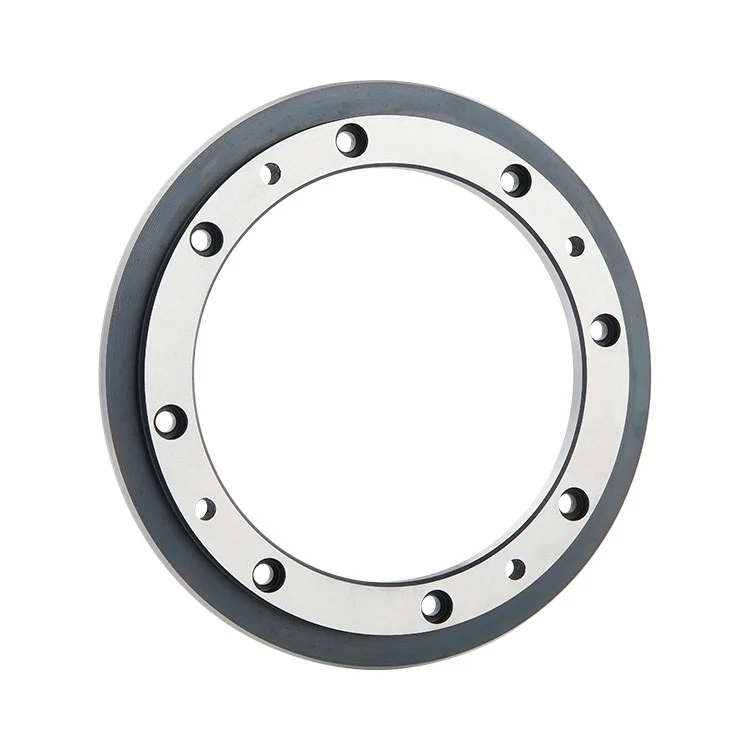
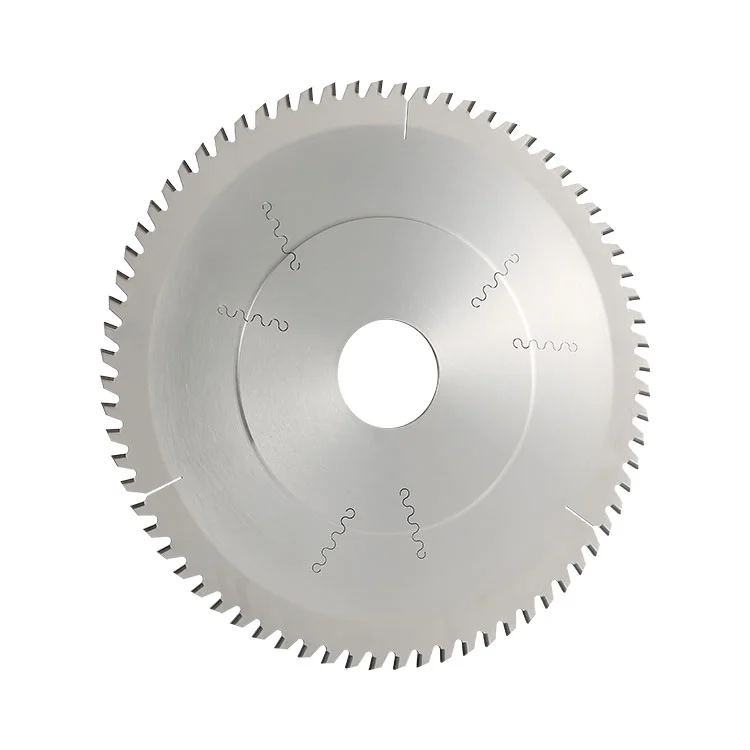
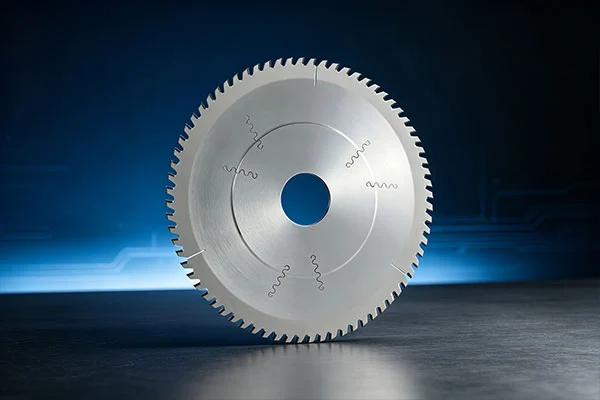
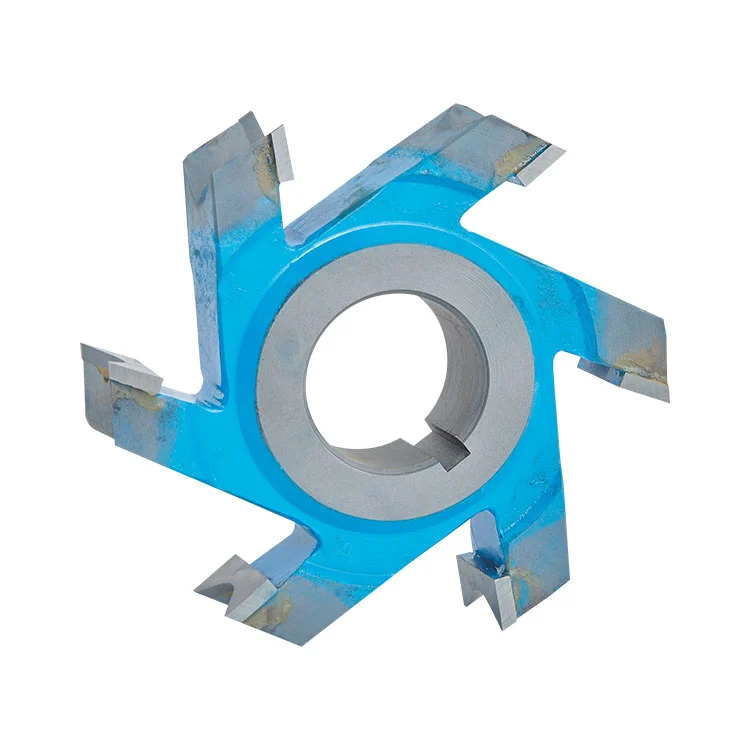
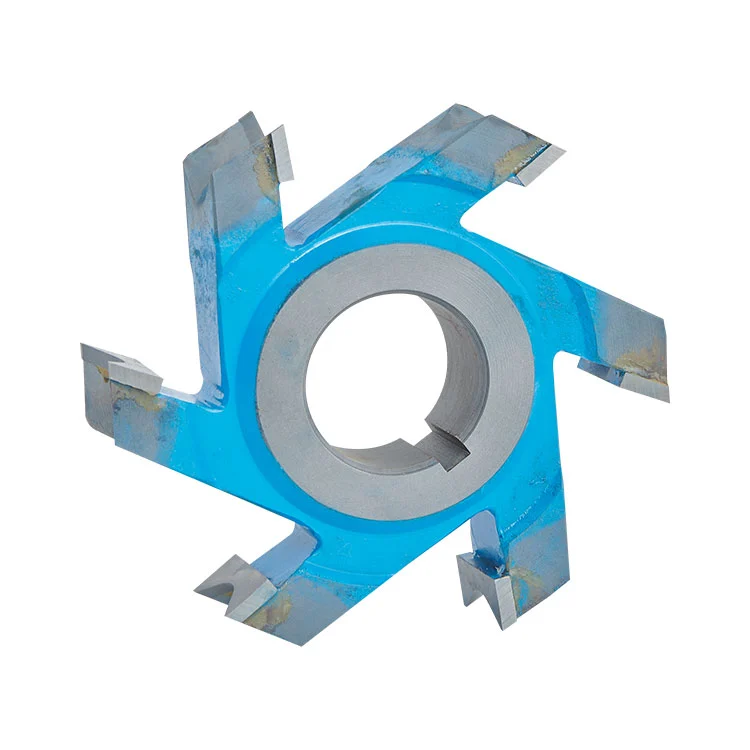
As a China Manufacturer, Winway offers the Carbide PCB Corner Rounding Cutter, a tungsten-steel alloy forming tool specially designed for PCB contour processing. It is available for customized production according to customer requirements. It performs one-pass round-corner milling on PCB board edges to remove sharp corners, preventing cuts on gold fingers and board surfaces as well as scratches during assembly. Adopting cemented-carbide (tungsten-steel) cutter teeth and a low-noise structural design, it delivers stable cutting performance. Suitable for large-panel batch round-corner machining, it helps reduce subsequent polishing processes and improve finished-PCB yield.

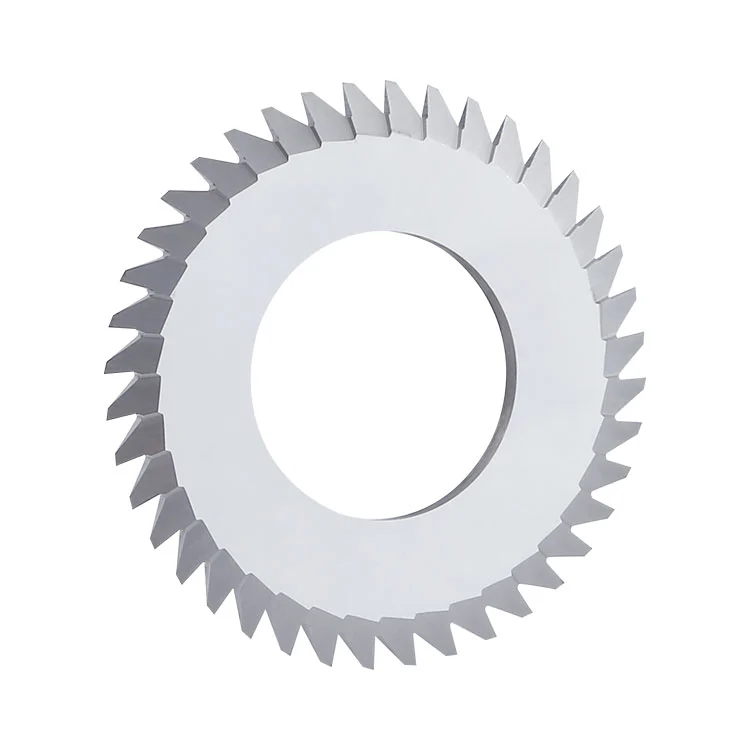
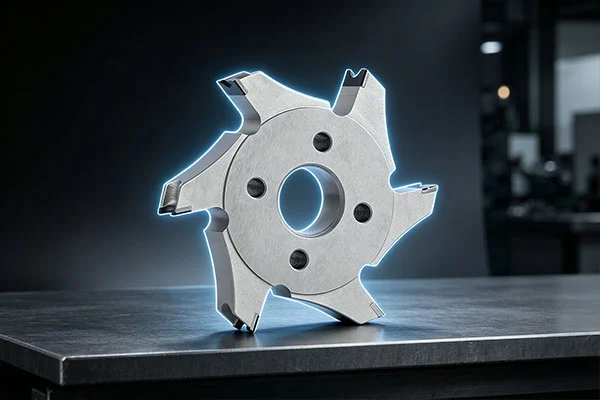
    As a China Manufacturer, Winway offers the Carbide PCB Corner Rounding Cutter, a specialized disc-type milling cutter for PCB production lines. The disc body is assembled with tungsten-steel cutting teeth featuring pre-formed arc cutting edges. It completes board-edge R-angle processing in one pass on round-corner machines. Featuring a 6-tooth structure and low-noise disc-body design, it achieves low cutting vibration and noise together with stable R-angle dimensions. It is mainly used for edge round-corner processing of large-size PCB panels such as FR-4 and aluminum-base boards, and fits mass-volume production. Custom non-standard outer diameter, inner hole, tooth quantity and R-angle are supported.
    Carbide PCB Corner Rounding Cutter

    Product Definition

    Carbide PCB Corner Rounding Cutter is a special-purpose PCB machining tool composed of a disc-shaped body and cemented-carbide (tungsten-steel) forming cutter teeth. With preset arc-shaped forming cutting edges, it mills standard R round corners on the edges of large-size PCB panels in one pass, eliminates sharp board edges and helps avoid assembly-scratch and short-circuit risks. It is widely used in PCB contour edge-rounding procedures.

    Key Technical Features

    1.Cutter tooth material: Ultra-fine-grain tungsten steel (cemented carbide), high-hardness, wear-resistant and chipping-resistant for long service life.
    2.6-tooth forming structure with low-noise disc-body design, low cutting vibration and low machining noise.
    3.Precisely ground forming arc cutting edge, high R-angle accuracy and good round-corner consistency within same batch.
    4.Polished cutting edge for smooth chip evacuation, reducing board chipping, substrate whitening and board-edge burrs.
    5.Standard inner-hole positioning, high clamping concentricity for stable machining and less chatter marks.
    6.Full-item customization available: outer diameter, inner hole, tooth quantity and R-angle can be produced per customer drawings.

    Specification Table(Sample Specifications)

    Outer Diameter D Inner Hole Thickness Teeth R Angle
    103 19 23 6T R7.5
    93 25 19 6T R5.0
    93 30 19 6T R8
    93 25 19 6Z R5.0
    83 30 19 6T R6.0

    Applicable Board List

    FR-4 fiberglass board (single-/double-/multi-layer large-size PCB panel)

    Aluminum-base PCB

    CEM-1 / CEM-3 composite insulation board

    Heavy-copper PCB

    Flame-retardant insulation board

    Not applicable: pure soft rubber sheet, thick solid-metal plate, high-hardness ceramic plate

    Machine Operation Points

    1.Clamping: Clean spindle and disc inner hole to remove dust and debris, lock firmly and verify concentricity; control runout ≤0.005 mm.
    2.Trial cutting: Perform trial cutting on sample panel first; inspect R-angle dimension, chipping and whitening; confirm stable parameters before mass production.
    3.Machining method: Climb-milling is preferred to avoid chipping caused by conventional milling; panels must be tightly clamped to prevent shifting.
    4.Cooling: Adopt air blowing for dust removal; small-dose atomized cooling is allowed; avoid soaking panels with liquid water.

    Quick Troubleshooting

    Phenomenon Possible Cause Quick Solution
    Board-edge chipping & substrate whitening Excessive feed rate, worn cutter teeth, mismatched spindle speed Reduce feed rate; inspect cutting-tooth wear; adjust spindle speed
    Inconsistent R-angle dimension Large clamping runout, loose panel positioning Re-clean inner hole and lock cutter; reinforce panel fixture
    Cutter-tooth chipping Impurities inside panel, collision impact, excessive feed rate Check panel impurities; lower feed rate; prevent disc collision
    Chatter marks & high noise during machining Loosely locked cutter disc, worn cutter teeth Re-lock cutter disc; inspect / replace worn teeth
    Heavy burrs on board edge Worn cutting teeth Send back to factory for forming-edge re-grinding

    Maintenance Requirements

    1.After each machining cycle, blow resin dust and glass-fiber debris off disc and cutter teeth with air gun; never scrape tungsten-steel cutting edges with hard objects.
    2.Storage: Keep in dedicated tool box separately; avoid mutual collision; no stacking or bare placement.
    3.Periodic inspection: Stop machine immediately when cutter-tooth notch or wear-induced whitening occurs and send to factory for grinding repair.
    4.Forbid dropping or impacting cutter disc: Tungsten-steel teeth are brittle; impact easily causes tooth chipping and scrapping.
    5.For long-term storage, apply anti-rust treatment on metal disc body to prevent inner-hole rust which harms clamping accuracy.

    FAQ

    Q1: Can worn teeth of the Carbide PCB Corner Rounding Cutter be sent for re-grinding?

    A1: Yes. Re-grinding for forming R-angle is available if only cutting-edge wear exists without large-area tooth chipping. If teeth suffer severe chipping, tooth replacement is required.

    Q2: Can the radius (R) of the radius cutter be modified?

    A2: Yes. The R angle can be reground to a larger size as required, but it cannot be made smaller. We can also directly custom-make cutter teeth with different R angles.

    Q3: How to solve aluminum sticking when machining aluminum-base PCB?

    A3: Appropriately raise spindle speed and reduce feed rate; strengthen air-blowing cooling; adopt high-gloss polished cutting-edge to reduce aluminum-chip adhesion.

    Q4: Can non-standard inner hole, outer diameter and tooth quantity be customized?

    A4: Full-parameter customization is supported. Provide PCB panel thickness, machining drawing and capacity requirement for lead-time and quotation evaluation.

    Q5: What is the principle of low-noise design?

    A5: The disc body adopts noise-reduction slot structure. Optimized 6-tooth cutting angle disperses cutting impact and suppresses resonance, bringing obviously lower noise compared with ordinary cutter discs.

    Send Inquiry
    Contact Info
    • Address

      Building 17, Yonglida Tiansheng Industrial Park, No. 50 Gangkou Avenue, Wanjiang District, Dongguan City, Guangdong Province, China

    Send your inquiry for PCD PCB cutting tools, carbide PCB V-cut tools, and PCB V-grooving tools to Dongguan Weicheng Electronic Co., Ltd. Leave your email and tell us your board material, equipment, and tool specifications, and we will reply within 24 hours with a factory-direct quote, free sample options, and custom tool recommendations. Contact us to start your order.
    X
    We use cookies to offer you a better browsing experience, analyze site traffic and personalize content. By using this site, you agree to our use of cookies. Privacy Policy
    RejectAccept