
PCB manufacturing requires exceptional cutting accuracy, consistent edge quality, and reliable production efficiency. However, processing thick and thin printed circuit boards presents different challenges, including edge chipping, burr formation, dimensional deviations, excessive heat, and premature tool wear. A suitable PCD PCB Thick and Thin Cutting Blade provides a practical solution for demanding PCB cutting applications by combining diamond-based wear resistance with carefully engineered cutting geometry. This article explores how PCD cutting blades work, their advantages, selection considerations, and maintenance practices to help manufacturers achieve stable machining performance and reduce long-term production costs.
Printed circuit boards are essential components in modern electronic products, including smartphones, computers, automotive control systems, industrial equipment, medical devices, and communication hardware. As electronic products become more compact and functionally complex, PCB manufacturers face increasingly demanding requirements for dimensional accuracy and edge quality.
One important challenge is that different PCB thicknesses respond differently to mechanical cutting. A cutting solution that performs well on a thick board may not deliver equally satisfactory results on a thin or flexible substrate.
Thick PCBs often contain multiple layers of copper, resin, and reinforcing materials. Their greater structural resistance can increase cutting loads and place additional demands on the blade.
Thin PCBs have different requirements because their limited thickness makes them more susceptible to deformation and vibration during processing.
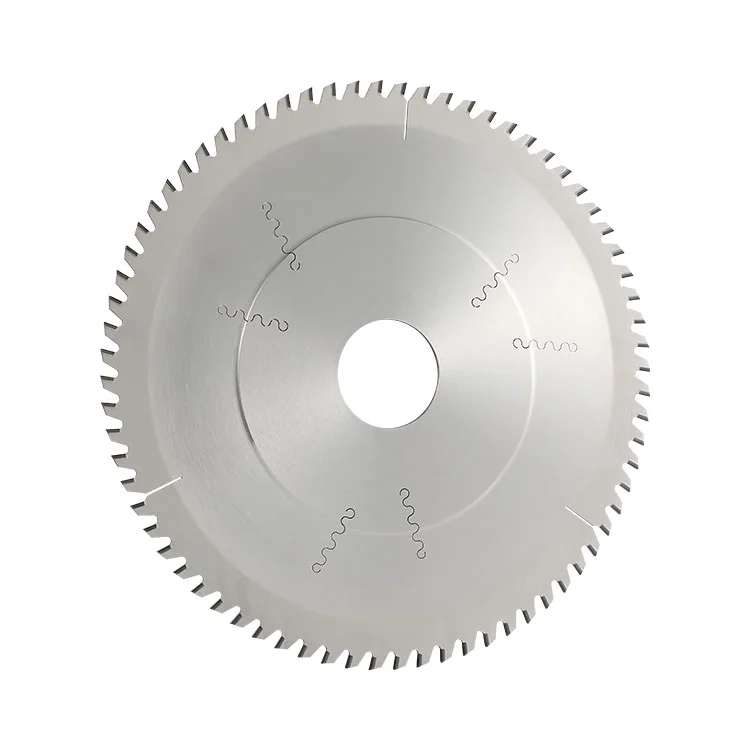
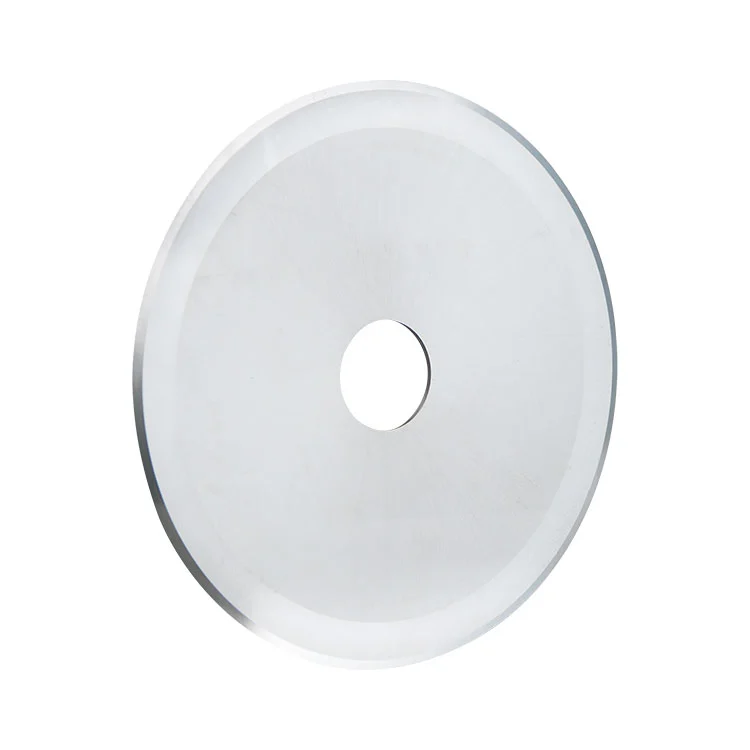
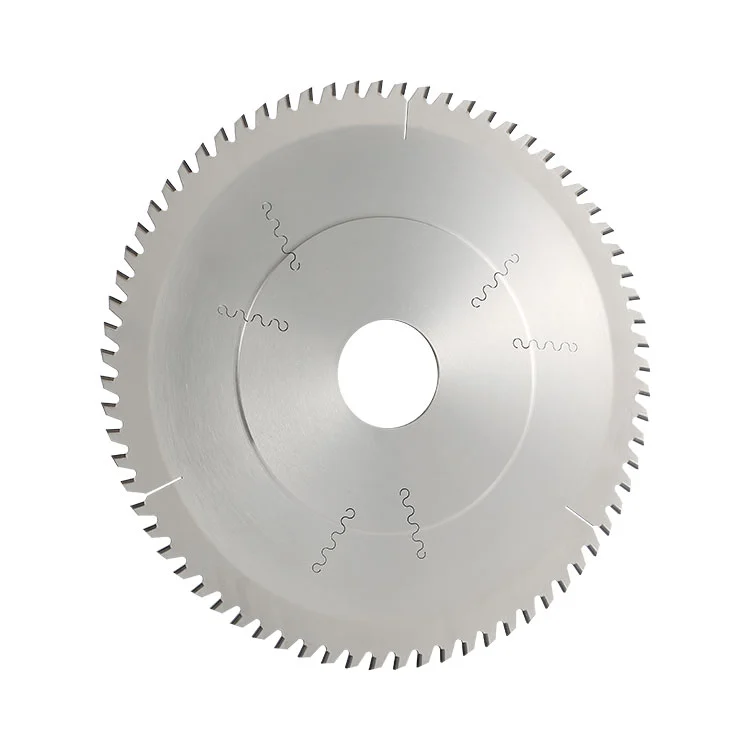
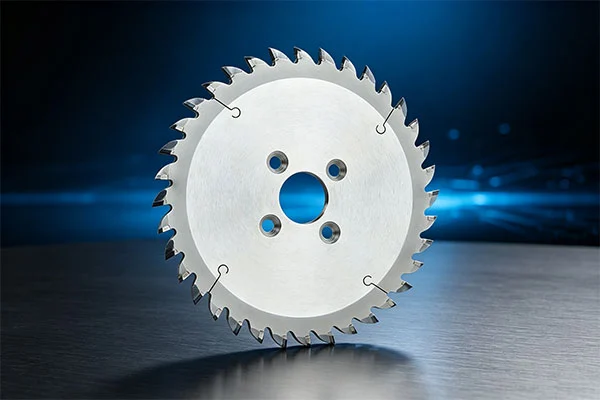
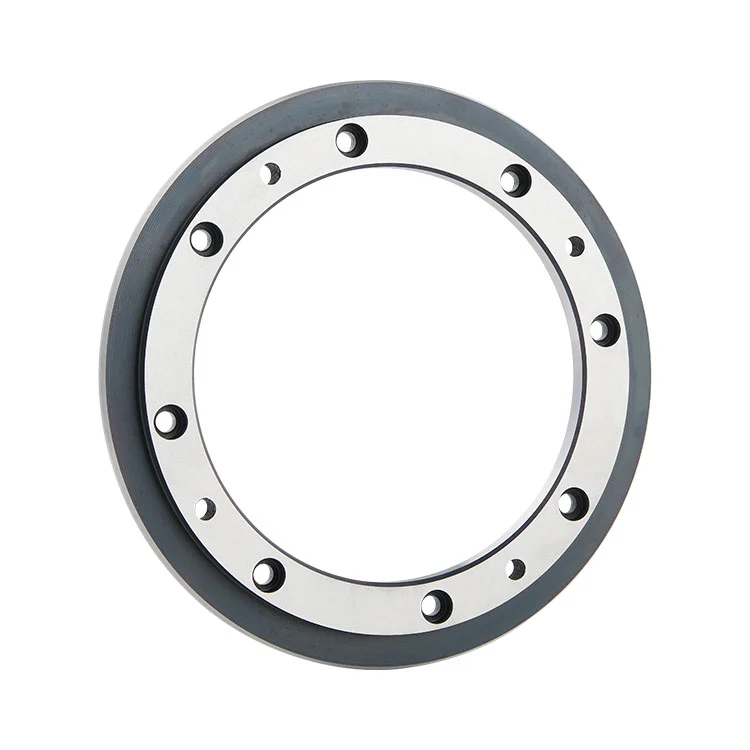
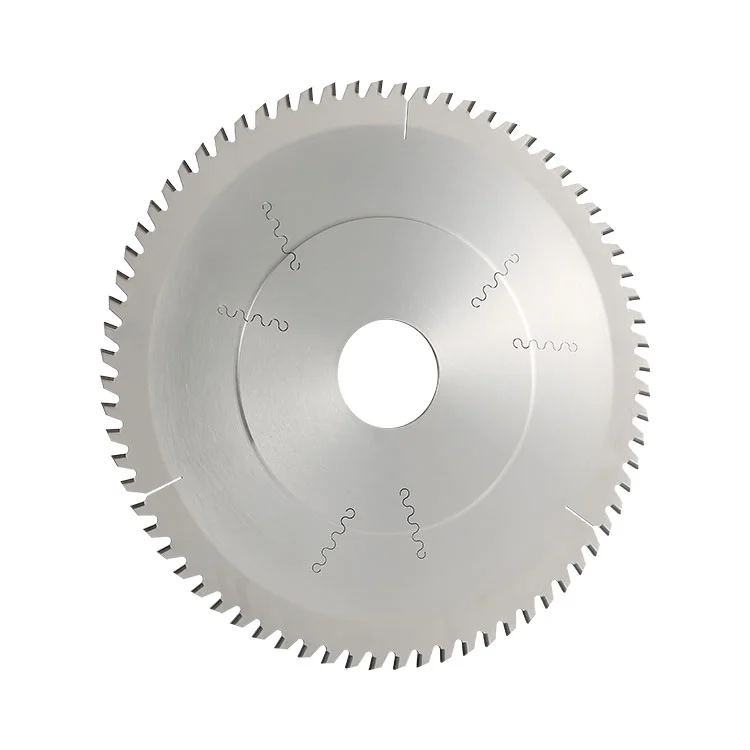
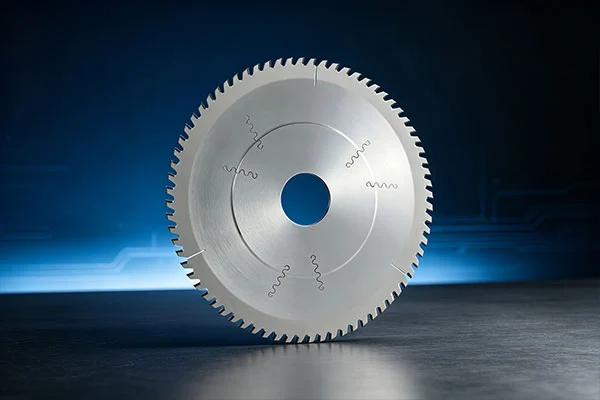
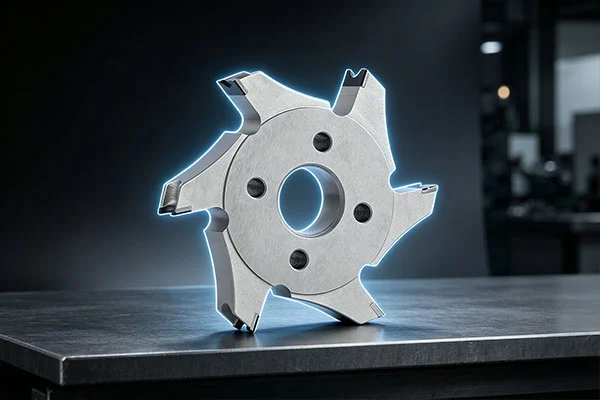
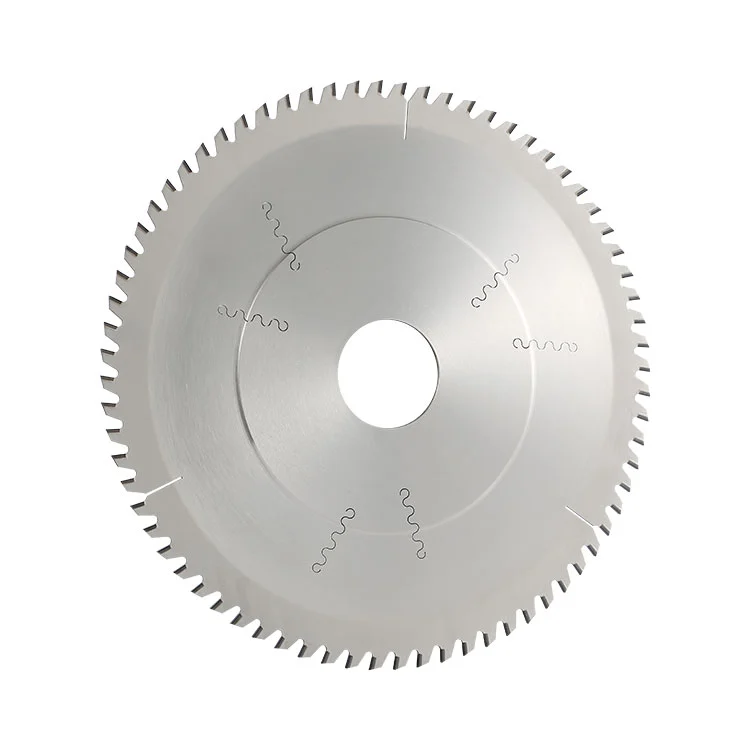
A PCD PCB Thick and Thin Cutting Blade is a specialized industrial cutting tool designed for processing printed circuit boards with different thickness requirements. PCD stands for Polycrystalline Diamond, an engineered material produced by combining diamond particles under high temperature and pressure.
Because diamond is exceptionally hard and wear-resistant, PCD is widely used in precision cutting applications involving abrasive non-ferrous materials and composite materials.
PCD consists of numerous fine diamond grains bonded together into a dense polycrystalline structure. This structure provides several important machining characteristics:
These characteristics make PCD a suitable material for selected PCB cutting applications, particularly where tool longevity and dimensional consistency are important.
Although PCD provides excellent material properties, the performance of a cutting blade depends on much more than the cutting material alone.
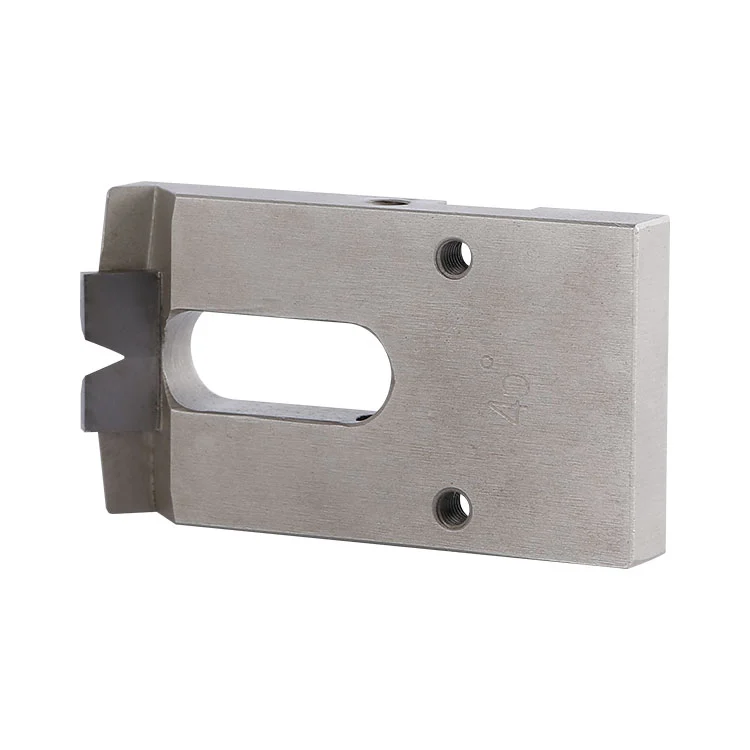
Important design elements include blade diameter, thickness, tooth geometry, cutting-edge angle, PCD layer characteristics, bonding quality, and mounting dimensions. These factors determine how effectively the blade interacts with the PCB material.
PCD cutting blades remove PCB material through controlled mechanical interaction between the cutting edge and the workpiece. During operation, the rotating blade engages the board at a specified feed rate and cutting depth.
The sharp cutting edge separates the material while the blade geometry helps control cutting forces, chip formation, and edge finish.
Stable operation requires coordination between the blade, machine, cutting parameters, and workpiece support system. Even a high-quality blade cannot compensate for poor machine alignment or unsuitable operating conditions.
For PCB manufacturers, cutting tool selection directly affects production consistency, equipment utilization, and overall manufacturing expenses. PCD blades offer several potential advantages when matched to the correct application.
PCD's high hardness helps the cutting edge resist abrasive wear during repeated machining operations. Compared with conventional cutting materials in suitable applications, this can help maintain cutting performance over longer production runs.
Reduced wear can also help manufacturers decrease the frequency of blade replacement and minimize production interruptions.
A properly manufactured PCD blade can maintain its cutting-edge geometry during extended use. This helps support consistent machining results and reduces variations caused by progressive edge deterioration.
For manufacturers working with precision electronic components, stable edge quality is particularly important because damaged PCB edges may affect subsequent assembly processes.
Longer tool life and reduced replacement frequency can improve equipment availability. When cutting conditions are optimized, manufacturers may also achieve more predictable production cycles and fewer interruptions caused by premature tool wear.
The initial purchase price of a PCD blade may be higher than that of some conventional alternatives. However, the total cost of ownership should also consider service life, regrinding opportunities, replacement frequency, scrap rates, and machine downtime.
PCBs contain different combinations of glass fiber, resin, copper, and other materials. Their abrasive characteristics can place considerable demands on cutting tools. PCD's wear resistance makes it a valuable option for applications where conventional blades experience rapid edge deterioration.
Choosing an appropriate blade requires understanding how board thickness influences cutting conditions. Thick and thin PCBs may share similar material compositions, but their mechanical behavior during cutting can be significantly different.
| Comparison Factor | Thick PCB Cutting | Thin PCB Cutting |
|---|---|---|
| Cutting resistance | Generally higher | Generally lower |
| Mechanical stability | Greater structural rigidity | More sensitive to deformation |
| Main machining concern | Cutting load and tool wear | Vibration and board movement |
| Workpiece support | Stable clamping and alignment | Careful support to prevent bending |
| Blade considerations | Suitable strength and cutting geometry | Precision edge and controlled engagement |
| Quality inspection | Edge integrity and dimensional accuracy | Chipping, deformation, and edge finish |
Thick PCB processing requires attention to blade rigidity, cutting-edge strength, and machine capability. A blade with unsuitable geometry may generate excessive cutting resistance, increasing the risk of vibration and premature wear.
Manufacturers should evaluate the total board thickness, material structure, cutting depth, and required production speed before selecting a blade.
Thin PCB processing requires greater attention to positioning accuracy and workpiece stability. Even minor vibration or inconsistent feeding can influence the final cutting result.
Appropriate blade geometry, accurate machine alignment, and reliable support fixtures help reduce the risk of deformation and edge defects.
Selecting the right PCD PCB Thick and Thin Cutting Blade requires a systematic evaluation of the material, equipment, production environment, and quality requirements.
Before purchasing a blade, identify the type of PCB being processed. Common materials include:
Different materials can produce different cutting forces, abrasive wear characteristics, and edge-quality requirements.
Blade dimensions must match the machine and intended cutting operation. Important specifications include:
Incorrect dimensions may cause installation difficulties, unstable rotation, or poor cutting results.
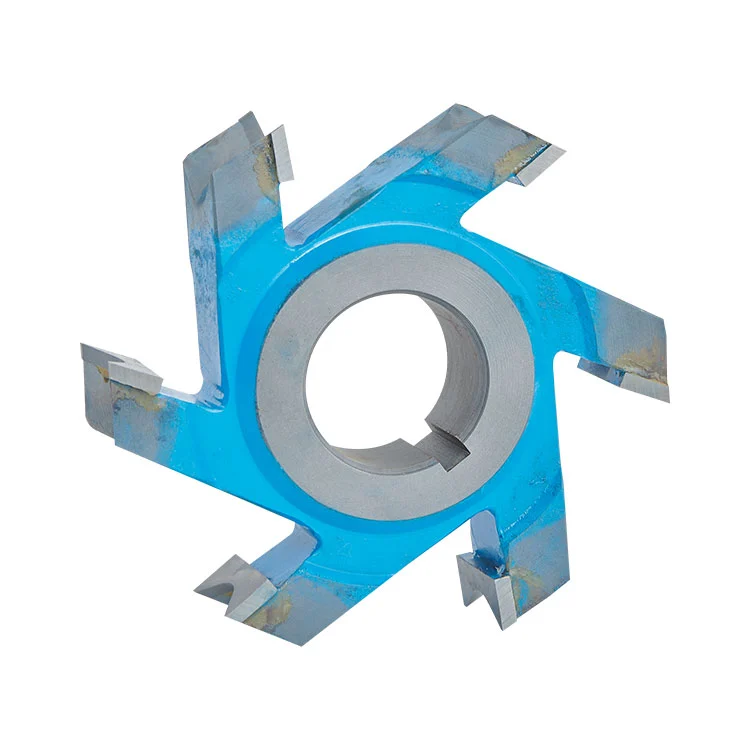
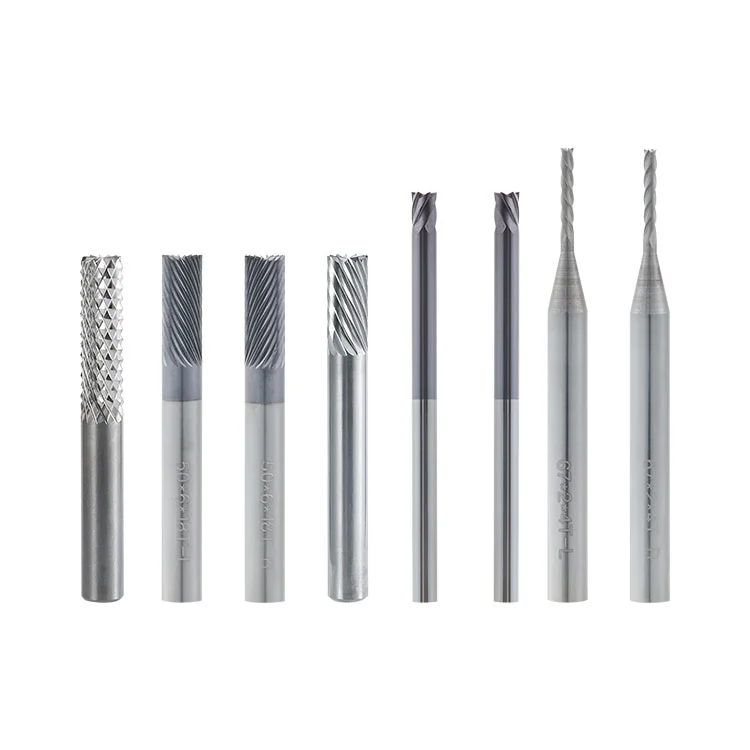
Cutting geometry influences how the blade engages the material and removes chips. Tooth shape, edge angle, and blade configuration should be selected according to the PCB material and cutting method.
Manufacturers should consult the blade supplier to determine the appropriate geometry rather than selecting a configuration based solely on appearance or price.
Machine compatibility is essential for safe and stable cutting. Check the equipment's recommended blade dimensions, maximum operating speed, spindle accuracy, mounting system, and cooling or dust-extraction arrangements.
Standard blade specifications may not meet every production requirement. Custom solutions can be considered when manufacturers need particular dimensions, cutting profiles, mounting configurations, or application-specific performance characteristics.
| Selection Item | Information to Provide |
|---|---|
| PCB material | FR-4, CEM, multilayer or other laminate types |
| Board thickness | Minimum, maximum, and commonly processed thickness |
| Blade dimensions | Diameter, thickness, and bore size |
| Machine information | Machine model, spindle speed, and mounting requirements |
| Production target | Cutting speed, output volume, and operating hours |
| Quality requirements | Edge finish, tolerances, and acceptable defect levels |
Even a premium-quality blade may deliver inconsistent results if the machining environment is not properly controlled. Several factors should be monitored throughout the production process.
Spindle runout can cause uneven blade engagement and vibration. Excessive runout may increase localized wear and negatively affect cutting accuracy. Regular equipment inspection and alignment are therefore important.
Operating speed and feed rate should be determined according to blade specifications, PCB material, and machine capabilities.
An excessively high feed rate may increase cutting loads, while an unsuitable rotational speed may contribute to heat generation or unstable machining. Manufacturers should establish suitable parameters through controlled trials and supplier recommendations.
Proper PCB positioning prevents unwanted movement during cutting. Thin boards especially require consistent support to reduce vibration and bending.
Damaged cutting edges, accumulated deposits, and improper previous sharpening can reduce machining performance. Regular inspection helps identify deterioration before it affects a large production batch.
PCB cutting can generate dust and particles from resin, glass fiber, and other materials. Effective extraction and workplace housekeeping help maintain a cleaner machining environment and reduce contamination risks.
Proper maintenance is essential for protecting cutting-edge quality and maximizing the value of PCD tooling. Manufacturers should establish a routine inspection and maintenance program based on operating conditions.
Manufacturers should monitor changes in cutting quality rather than relying only on a fixed replacement schedule.
When these symptoms appear, inspect the blade, machine, workpiece support, and operating parameters to identify the underlying cause.
PCD cutting technology is relevant to various manufacturing environments that require reliable machining of electronic substrates and composite materials.
Smartphones, tablets, computers, and wearable devices depend on precision-engineered circuit boards. Consistent cutting helps manufacturers prepare PCB components for subsequent assembly and integration.
Modern vehicles incorporate circuit boards in battery management systems, electronic control units, navigation systems, sensors, and power electronics. Reliable PCB processing supports the production of components that must meet demanding dimensional and quality requirements.
Industrial automation systems use PCBs in controllers, communication modules, monitoring devices, and power management equipment. Stable cutting performance helps maintain manufacturing consistency across production batches.
Routers, switches, signal-processing systems, and communication hardware rely on sophisticated circuit board designs. Appropriate cutting tools help manufacturers process different PCB structures with controlled edge quality.
Medical monitoring equipment and diagnostic instruments contain electronic assemblies that require careful manufacturing control. PCB cutting is one part of the broader production process supporting the dimensional consistency of these assemblies.
Choosing a cutting blade supplier involves more than comparing product prices. A reliable manufacturing partner should understand the relationship between blade materials, geometry, machine compatibility, and actual production conditions.
For manufacturers seeking a dependable PCD PCB Thick and Thin Cutting Blade, working with an experienced supplier can simplify technical selection and help reduce avoidable production problems.
Dongguan Weicheng Electronic Co., Ltd. is a company to consider when evaluating PCB-related cutting blade solutions. For manufacturers with different board thicknesses and machining requirements, selecting the appropriate cutting tool requires careful attention to material compatibility, blade specifications, and production conditions.
When discussing a potential cutting blade solution, buyers should provide detailed information about their PCB materials, board thickness range, existing machine configuration, and expected cutting results. These details help establish whether a particular blade design is suitable for the intended application.
A technically appropriate cutting solution can help manufacturers improve process consistency, manage tool consumption, and maintain more predictable production operations.
PCD stands for Polycrystalline Diamond. It is an engineered diamond material known for its high hardness and excellent abrasion resistance. PCD is used in cutting tools designed for demanding machining applications, including selected PCB processing operations.
Some blade configurations may be suitable for a range of PCB thicknesses. However, suitability depends on blade geometry, dimensions, PCB material, machine specifications, and cutting conditions. Manufacturers should confirm the actual operating range with their blade supplier.
Common causes include a worn or damaged blade, unsuitable cutting geometry, excessive feed rate, machine vibration, poor workpiece support, and incorrect cutting parameters. A systematic inspection can help identify and correct the source of the problem.
PCD blades generally offer superior abrasion resistance in suitable applications, while carbide blades may be more economical for certain materials and operating conditions. The better choice depends on material composition, production volume, cutting requirements, and total operating cost.
Manufacturers should use compatible blades, maintain accurate spindle alignment, secure the workpiece, control feed rates and rotational speed, and inspect cutting edges regularly. Consistent machine maintenance is also important.
Customization may be available depending on the manufacturer's production capabilities. Common considerations include outer diameter, blade thickness, bore size, cutting-edge configuration, and application-specific requirements.
There is no universal replacement interval. Blade service life depends on the PCB material, production volume, cutting parameters, machine condition, and maintenance practices. Replacement or reconditioning should be based on actual wear and cutting-quality inspection.
Provide the PCB material, board thickness range, blade diameter, thickness, bore size, machine model, operating speed, and expected cutting quality. Photographs or drawings of the existing blade can also help the supplier evaluate compatibility.
PCB cutting performance depends on the combined quality of the cutting tool, machine, workpiece support, and operating process. Thick boards require appropriate cutting strength and resistance to mechanical loads, while thin boards demand careful control of vibration, positioning, and deformation.
A well-designed PCD PCB Thick and Thin Cutting Blade can provide excellent wear resistance and consistent cutting performance in suitable applications. However, achieving the best results requires more than choosing a diamond-based tool. Manufacturers must also consider PCB material composition, blade geometry, equipment compatibility, and maintenance requirements.
By evaluating these factors and working with a knowledgeable supplier, PCB manufacturers can improve machining consistency, reduce unnecessary tool replacement, and build a more reliable production process.
Choosing the right blade is an important step toward achieving accurate, stable, and efficient PCB processing. Whether your production involves thick circuit boards, thin laminates, or multiple PCB material types, the right technical specifications can make a meaningful difference to your manufacturing results.
Dongguan Weicheng Electronic Co., Ltd. welcomes inquiries from manufacturers, distributors, and industrial buyers seeking PCB cutting blade solutions. Share your material specifications, blade dimensions, and application requirements to discuss a suitable option for your production needs.
Contact us today to discuss your PCB cutting requirements and explore a cutting blade solution designed around your manufacturing application.
-