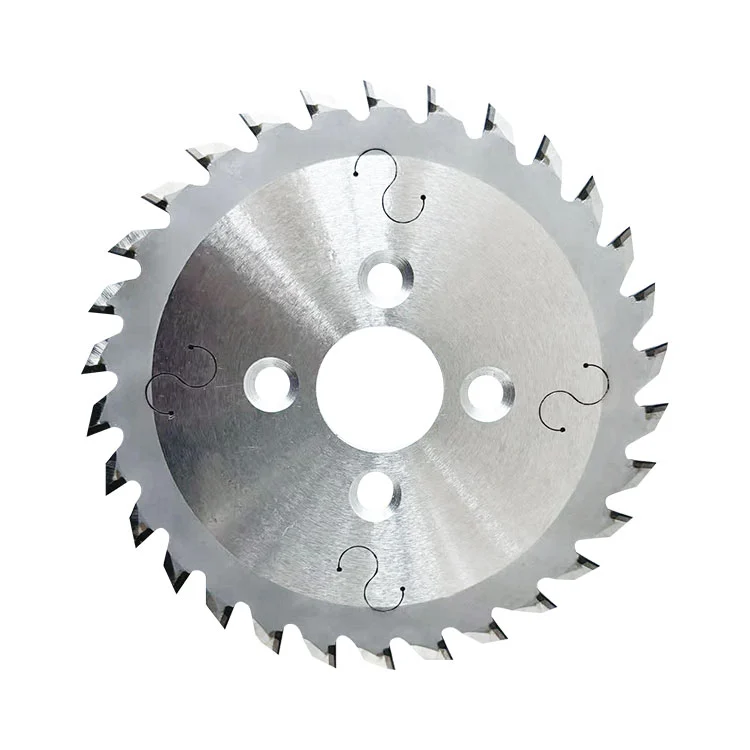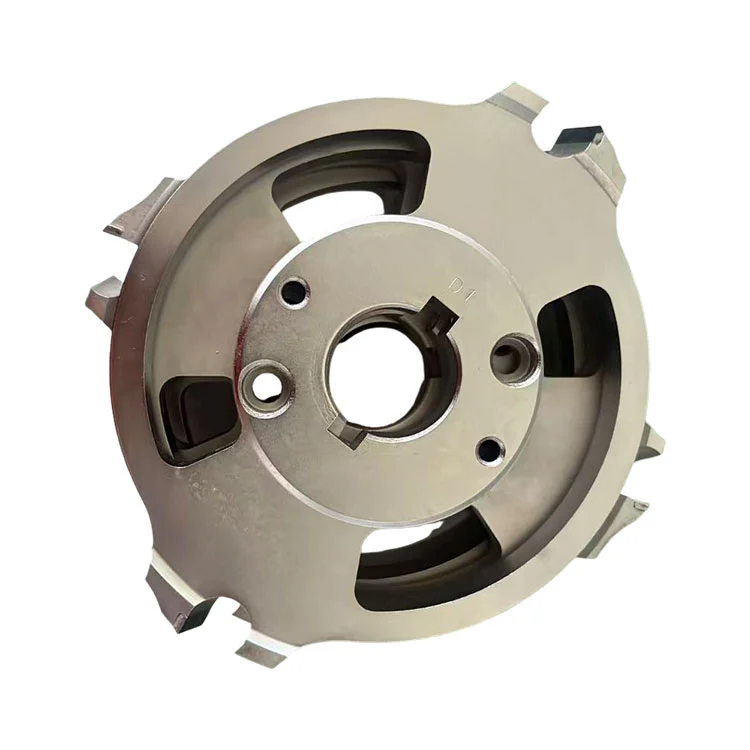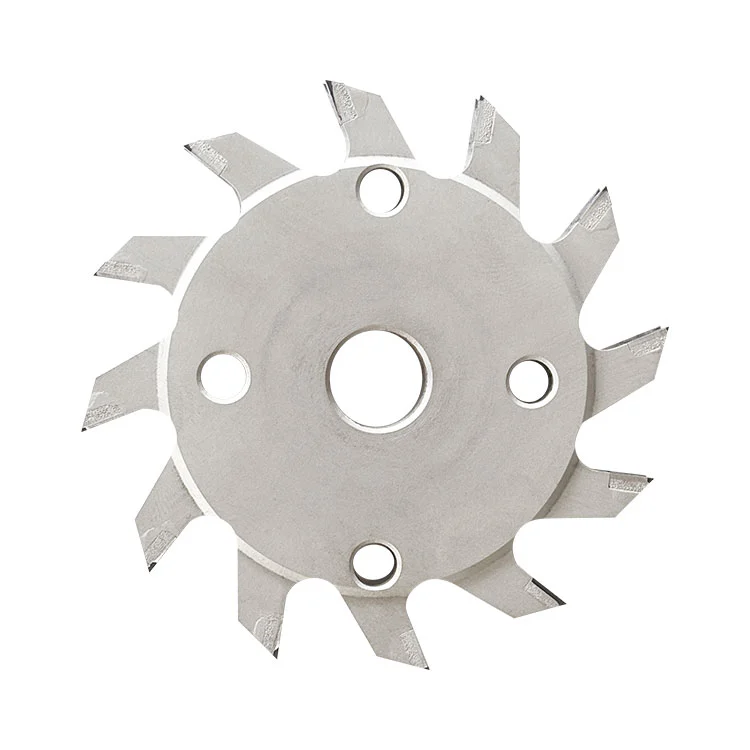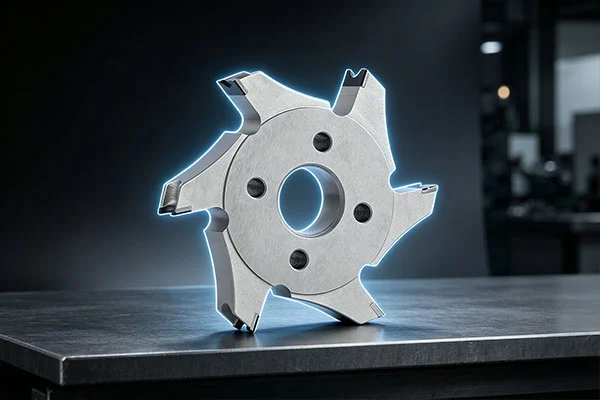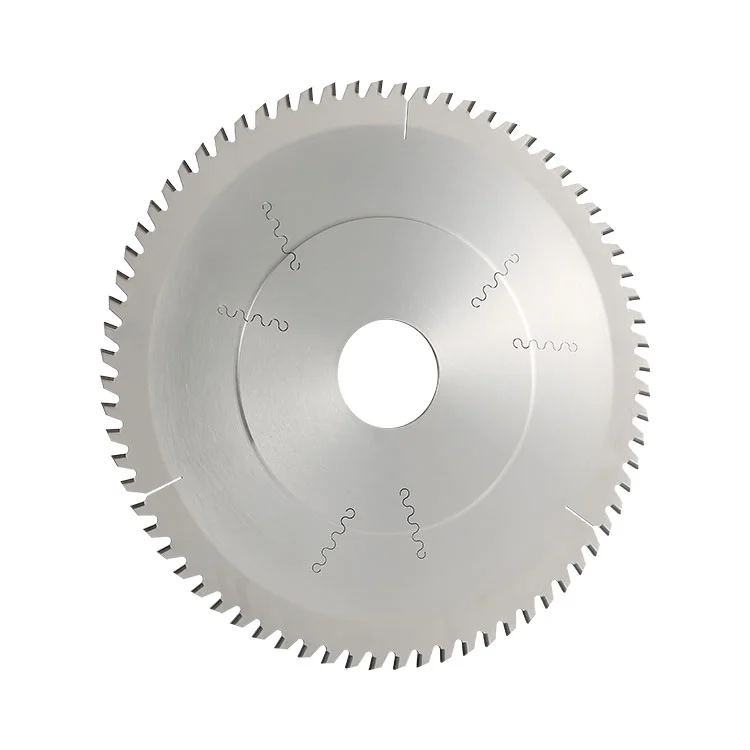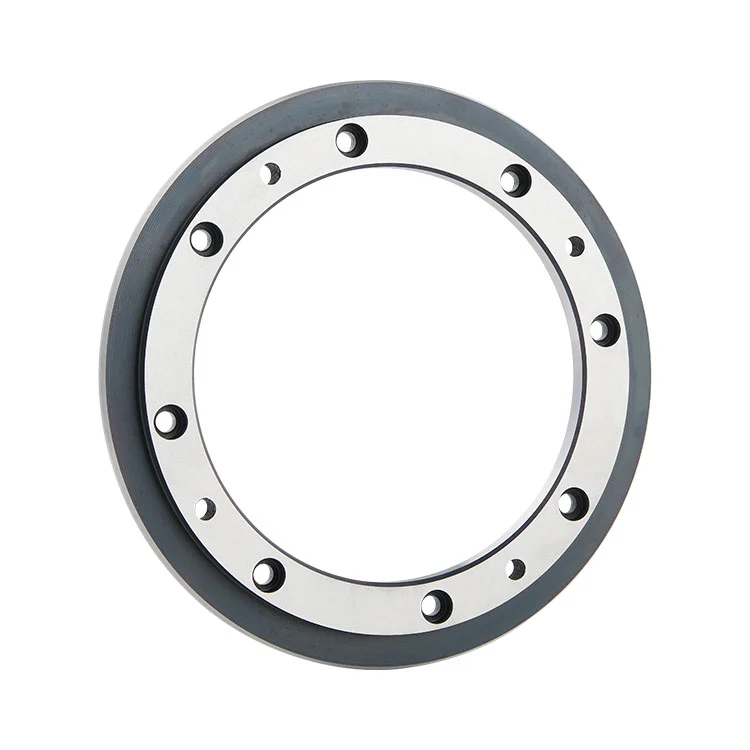
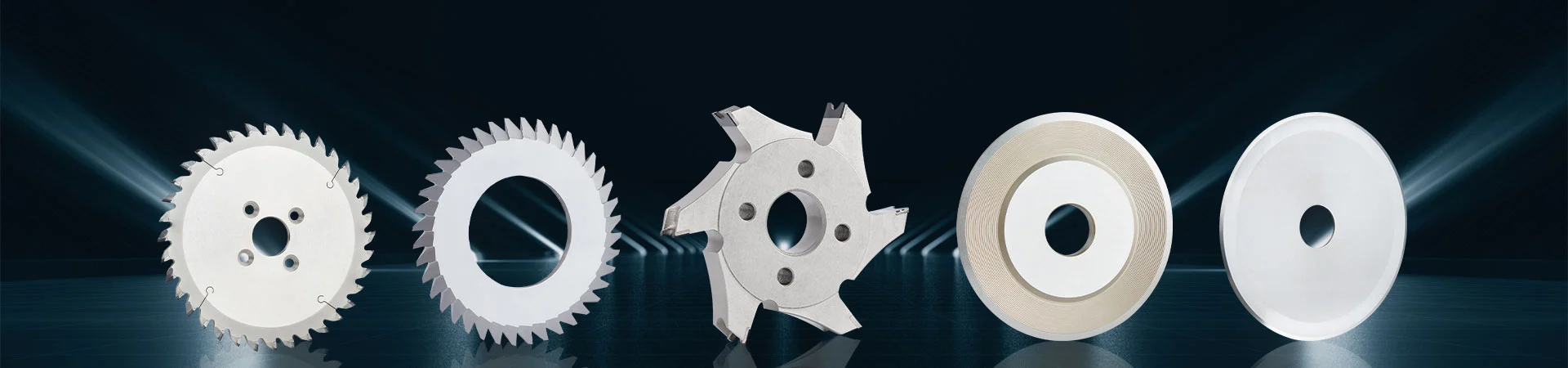
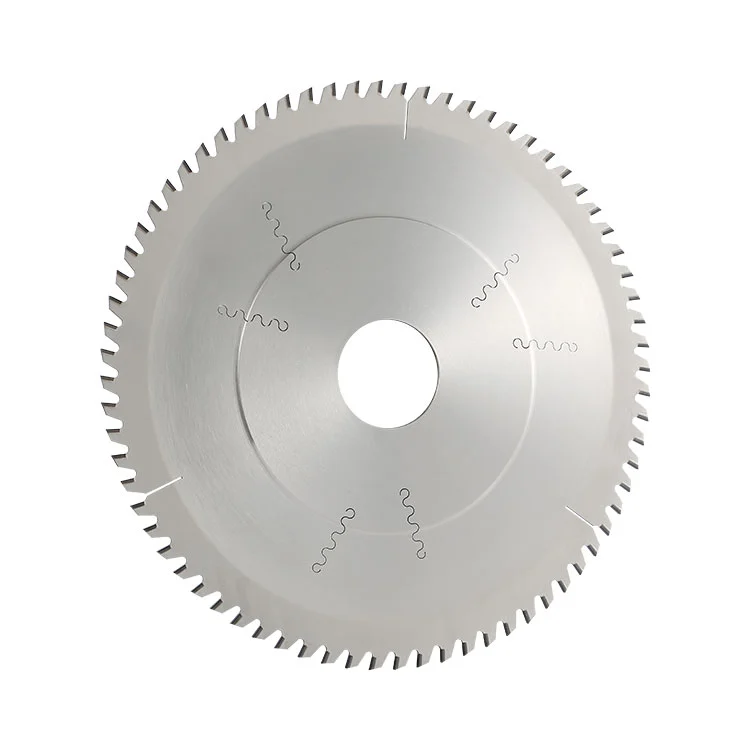
China Supplier – Winway provides the PCD PCB Thick and Thin Cutting Blade, a precision PCD cutting tool for PCB panel sizing, edge trimming and depaneling. Designed for mixed-thickness PCB production, the blade features an ultra-wear-resistant PCD diamond tooth profile with an optimized cutting geometry. It helps prevent edge stretching and burr formation on thin boards while delivering stable cutting performance on thick, high-glass-fiber boards. The resulting cut surface is flat, with reduced whitening, delamination and dimensional variation. Its wear-resistant cutting edge also helps reduce tool consumption and machine downtime during continuous production.
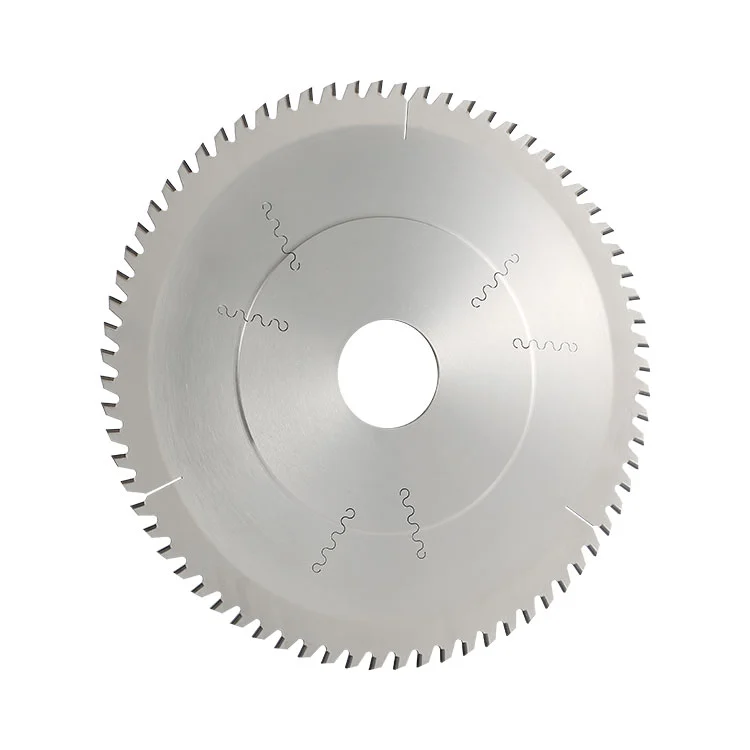
PCD PCB Thick and Thin Cutting Blade is a precision cutting tool developed for PCB panel sizing, edge trimming and depaneling. The blade body is made of high-strength alloy steel, with polycrystalline diamond cutting edges welded onto the outer circumference. Through a precisely ground tooth profile and chip pocket structure, it supports cutting across different board thicknesses, helping prevent edge curling on thin boards and edge chipping on thick boards. It is suitable for mixed cutting processes involving fiberglass boards, composite boards and aluminum substrates, making it a versatile superhard cutting tool for PCB production.
Blade Substrate: High-strength alloy steel provides rigidity and deformation resistance. It helps resist vibration and distortion during high-speed cutting and maintain stability during extended operation. The inner bore and reference surfaces are precision-ground to provide high clamping accuracy and low end runout. The blade can also be re-ground for repeated use.
Cutting Edge Material: PCD polycrystalline diamond has a Mohs hardness of 10, providing high resistance to glass fiber abrasion, heat and edge wear. The cutting edge is designed for the abrasive characteristics of FR-4 high-glass-fiber and high-TG boards, helping maintain cutting sharpness during extended operation.
Welding Process: High-temperature welding technology bonds the PCD composite segments to the alloy steel blade body. The process is designed to provide strong bonding, reduce the risk of cold solder joints and tooth detachment, and support continuous mass cutting.
Applicable Board Thickness: Full range of PCB boards from 0.1mm thin boards to 6.0mm thick boards.
Service Life: 6–10 times longer than tungsten steel cutting blades.
Cutting Quality: Burr-free, delamination-free, whitening-free and scorch-free cut surface under suitable operating conditions.
Dimensional Accuracy: Cutting tolerance ≤±0.05mm.
End Runout: ≤0.03mm, supporting stable high-speed cutting.
High-Temperature Resistance: Low heat accumulation helps prevent board burning during continuous mass production.
Yield Improvement: Helps reduce defects such as delamination, edge chipping and tensile deformation.
One Blade for Thick and Thin Boards:The PCD PCB Thick and Thin Cutting Blade can cut ultra-thin, standard and thick PCB boards with a single blade. This reduces the need for frequent tool changes and parameter adjustments in mixed-order production.
High Wear Resistance and Lower Tool Consumption: The PCD diamond cutting edge resists glass fiber abrasion. Its longer service life compared with tungsten steel blades helps reduce consumable replacement frequency and machine downtime.
Consistent Cutting Quality: The optimized tooth profile helps prevent pulling and edge curling on thin boards while supporting smooth cutting and reduced edge chipping on thick boards.
Vibration Resistance and Stability: The alloy steel blade body and precision dynamic balancing help reduce vibration during high-speed cutting, protecting the board surface and machine spindle.
Re-Grindable Design: After the cutting edge becomes dull, the blade can be reconditioned through professional regrinding to restore cutting performance and reduce overall tool usage costs.
Compatibility with Multiple PCB Materials: Suitable for ordinary FR-4, high-TG boards, high-glass-fiber boards, CEM composite boards, aluminum substrates and other mainstream circuit board materials.
| Ordinal | Outer Diameter (mm) | Teeth Thickness (mm) | Teeth Number Z | Inner Diameter (mm) | Teeth Shape |
| 01 | 255 | 2.5 | 60、72 | 25.4 | FZ |
| 02 | 305 | 2.4 | 60、72 | 31.75 | FZ |
| 03 | 305 | 2.6 | 60、72 | 25.4 | FZ |
| 04 | 305 | 4.0 | 54、72 | 25.4 | WZ/FZ |
| 05 | 325 | 3.6 | 72、84 | 25.4、30、60 | WZ/FA |
| 06 | 325 | 4.0 | 72、84 | 25.4、30、60 | WZ/TR |
| 07 | 350 | 3.2 | 54、72、84 | 25.4、30、60 | WZ/FA |
| 08 | 350 | 3.6 | 54、72 | 25.4、30、60 | WZ/FA |
| 09 | 350/375 | 4.0 | 48、72、84 | 25.4、30、60 | WZ/TR |
FR-4 Panel Sizing: Mass panel sizing and edge trimming for ordinary FR-4 circuit boards.
High-TG Board Cutting: Cutting production for high-TG and high-glass-fiber boards that are more difficult to machine.
Thin PCB Cutting: Precision cutting of ultra-thin PCB boards to help prevent edge curling.
Thick PCB Depaneling: Stable depaneling for thick PCB boards with large cutting allowances.
Composite Substrate Processing: Cutting of CEM-1 and CEM-3 composite substrates.
Aluminum Substrate Trimming: Edge trimming of thin aluminum substrates.
Mixed-Thickness Production: Continuous cutting operations involving PCB boards of different thicknesses and specifications.
Incoming Inspection: Blade body hardness and flatness are checked. PCD composite sheet materials are verified to identify defective base materials.
In-Process Inspection: Welding strength is inspected to identify cold solder joints and welding cracks. Tooth profile and tooth pitch are also checked for consistency.
Final Inspection: Outer diameter, inner bore, thickness, end runout and radial runout are measured. The cutting edge is inspected under a microscope for chipping, notches and cracks.
Pre-Delivery Re-Inspection: Each blade receives a specification label and quality certificate and is packed in independent shock-resistant protective packaging.
1. Customer Information: The customer provides the board thickness range, board material, machine model and cutting quality requirements.
2. Technical Matching: The appropriate tooth number and blade specification are recommended according to the mixed thick-and-thin board production conditions.
3. Sample Preparation: Samples are produced and undergo full inspection before delivery.
4. Machine Testing: The customer tests the blade on the production machine to verify cutting finish, dimensional stability and service life.
5. Specification Confirmation: The process is fine-tuned and the final specification is confirmed for mass supply.
Documentation: Delivery includes a quality inspection report, specification sheet and certificate.
Technical Communication: After-sales technical communication and solutions are available for non-artificial quality problems.
Operating Guidance: Technical guidance is provided for cutting parameters, clamping and machine setup.
Regrinding Service: Multiple professional regrinding and repair services are available to restore blade precision after reconditioning.
Process Optimization: Support is available for production line process optimization to address mass production issues such as burrs, delamination and board burning.
A1: It adopts an optimized straight tooth profile and large chip pocket structure. For thin boards, fast chip removal helps prevent pulling. For thick boards, the cutting load is distributed more evenly. This design balances cutting performance across different board thicknesses for mixed production.
A2: Tungsten steel blades can wear quickly when cutting high-glass-fiber boards, potentially resulting in whitening, burrs and shorter service life. The PCD PCB Thick and Thin Cutting Blade features a wear-resistant diamond edge designed to maintain cutting precision over extended operation, helping improve production efficiency and cutting consistency.
A3: Possible causes include mismatched spindle speed and feed rate, insufficient dust collection, a slightly dull cutting edge or spindle runout. Adjusting the cutting parameters or regrinding the blade may help restore cutting performance.
A4: Yes. It is suitable for cutting thin aluminum substrates. Cutting parameters should be adjusted and dust collection strengthened to help prevent aluminum chip adhesion.
A5: A high-temperature welding process is used to bond the PCD composite sheet to the alloy steel substrate. The welding process is designed to provide high bonding strength and reduce the risk of tooth detachment or cracking.
A6: Under normal conditions, the blade can typically be re-ground 6–8 times. After professional reconditioning, its dimensions, precision and cutting performance are intended to remain consistent with those of a new blade.
A7: The PCD cutting edge is wear-resistant and supports smooth chip removal with low heat accumulation. Under correct cutting parameters, it helps reduce the risk of board burning, delamination and whitening.
Address
Building 17, Yonglida Tiansheng Industrial Park, No. 50 Gangkou Avenue, Wanjiang District, Dongguan City, Guangdong Province, China
Tel